Navigating the Interim Settlement Pack for Low Value Personal Injury Claims
When involved in a road traffic accident that results in personal injury, navigating the legal landscape can feel overwhelming. One essential component of this landscape is the Interim Settlement Pack, specifically Form RTA4, which plays a crucial role in managing low-value personal injury claims, typically ranging from £1,000 to £25,000. Understanding the significance of this document can greatly influence the outcome of your claim.
The Role of the RTA4 Form in Legal Proceedings
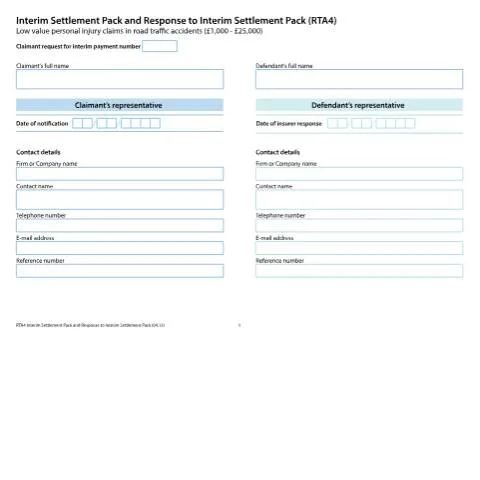
The RTA4 Interim Settlement Pack serves as a formal communication tool between claimants and defendants or their representatives. It is particularly vital for those seeking interim payments while their claims are still in progress. Interim payments can help cover immediate costs arising from the accident, such as medical expenses or loss of earnings.
- Claimant’s Representative: Typically a solicitor or legal advisor acting on behalf of the injured party.
- Defendant’s Representative: The legal professional representing the party being claimed against.
Filing the RTA4 is not just a procedural step; it reflects the ongoing dialogue and negotiation between both parties during the claim process.
Comprehensive Preparation: Gathering Necessary Evidence
To effectively complete the RTA4 form, it's vital to compile comprehensive evidence that supports your claim. This includes documents that outline your losses and any expenses incurred due to the accident. Below is a summary of common categories and suggested documents to prepare:
| Loss Category | Suggested Evidence |
|---|---|
| Medical Expenses | Invoices from hospitals, clinics, or therapy sessions |
| Loss of Earnings | Pay slips, letters from employers, or tax documents |
| Loss of Use | Receipts for car hire or alternative transport costs |
| Care and Services | Invoices from care providers or proof of services rendered |
Collecting and organizing this evidence before filling out the RTA4 will streamline the process and reduce the likelihood of disputes later on.
Understanding the Completion Process: Filling Out the RTA4
Completing the RTA4 form requires attention to detail. Each section must be filled out completely to ensure that your claim is processed efficiently. Below are key elements you need to address:
- Claimant and Defendant Information: Ensure that both parties' full names and contact details are accurately recorded.
- Claim Items Being Pursued: List each claim item and attach relevant evidence. For instance, if you are claiming for loss of earnings, provide the necessary documentation.
- Contributory Negligence: Be clear about any deductions due to contributory negligence. This can affect the net value claimed and needs to be justified.
- Interim Payment Request: Specify the amount you are requesting as an interim payment and why it is justified.
Careful consideration at this stage can facilitate smoother negotiations and expedite the resolution of your claim.
Post-Submission: Tracking Your Claim’s Progress
Once the RTA4 form is submitted, staying informed about the progress of your claim is crucial. Here are several steps to take:
- Contacting the HM Courts & Tribunals Service: You can inquire about your claim status directly via phone or email.
- Response from the Defendant: Wait for the defendant's representative to respond to the RTA4 submission, as they may agree, contest, or provide a counter-offer to the interim payment request.
- Documentation of Communication: Keep a detailed record of all interactions for future reference.
Engagement during this phase not only helps clarify your claim's standing but also facilitates proactive responses to any outstanding issues.
The Impact of the RTA4 on Different Claimant Profiles
Different claimants may face unique considerations when completing the RTA4 form. Here’s a breakdown of potential scenarios:
- Individual Claimants: Those representing themselves should ensure thorough understanding of all required documentation and processes.
- Claimants with Legal Representation: Lawyers can provide expertise on the nuances of contributory negligence and help maximize the interim payment.
- Vulnerable Claimants: Individuals who may require additional support, such as those with disabilities, should seek assistance in completing the form to ensure accuracy.
Recognizing the specific needs of different claimant profiles can enhance the effectiveness of your submission and improve outcomes.
Addressing Challenges: What to Do in Case of Disputes or Issues
Challenges can arise during the interim settlement process, such as disputes regarding the interim payment amount or delays in responses. Here’s how to address these situations:
- Disputed Claims: If the defendant contests your claims, gather additional evidence to support your position and be prepared for potential negotiations or mediation.
- Missing Documentation: If the defendant raises issues regarding missing evidence, promptly supply the required documents to avoid delays in processing your claim.
- Failure to Respond: If there is a significant delay from the defendant's side, consider sending a follow-up communication to prompt a response.
Being proactive in addressing these challenges can greatly assist in maintaining the momentum of your claim.
Final Thoughts: The RTA4 as a Tool for Justice
Ultimately, the RTA4 form is more than just paperwork; it represents a pivotal moment in your journey toward obtaining justice and rightful compensation following a road traffic accident. By approaching the completion of the RTA4 form with diligence and awareness of your rights and obligations, you can significantly influence the outcome of your claim.
Engaging with legal representatives, if possible, can provide additional layers of protection and expertise, ultimately ensuring that your needs and concerns are adequately represented throughout the legal process.
Fill in your form directly online
No printing: type your details into the boxes of the official form, tick, then download the PDF ready to send.
- 1Type into the form boxes
- 2Tick in one click
- 3Save and download the PDF
Understanding the Purpose of the RTA4 Form
The RTA4 form, also known as the Interim Settlement Pack, is a crucial document in the context of personal injury claims resulting from road traffic accidents in the UK. It serves as a key mechanism for both claimants and defendants to outline details of an interim settlement, allowing for a quicker resolution before the final claim is settled. The form is typically filled out after a claim has been submitted but before a full trial, making it essential for ensuring that parties can negotiate effectively.
The purpose of the RTA4 form is to provide a structured way for both parties to present their cases regarding any interim payments. This is particularly significant when the claimant requires funds to cover immediate expenses, such as medical bills or lost wages, while the claim is still progressing. By completing the RTA4, the claimant can clearly state their needs and justify the request for an interim settlement, which can help expedite the financial support they require.
It's also important to understand that filling out the RTA4 form requires detailed information. The claimant must provide evidence of the accident, medical reports, and other relevant documents. This makes it imperative that claimants maintain organized records from the outset of their claim. Moreover, precise completion of this form can influence the decision-making process of insurers, potentially leading to a favorable outcome for the claimant.
How to Complete the RTA4 Form: A Step-by-Step Guide
Completing the RTA4 form can seem daunting, but breaking it down into manageable steps can simplify the task. Every claimant should take the time to understand each section of the form before submission. Here’s a detailed guide to help you through the process:
- Section 1: Claimant’s Details - Start by filling in your personal information accurately. This includes your name, address, contact details, and your National Insurance number. Ensure that all information is up-to-date to avoid any delays in processing.
- Section 2: Details of the Accident - Provide comprehensive information about the accident, including the date, time, location, and circumstances. The more detail you provide, the stronger your claim will be.
- Section 3: Medical Evidence - Attach any medical reports that detail your injuries. This includes documentation from doctors, hospitals, or therapists. This evidence is critical for establishing the need for an interim payment.
- Section 4: Financial Losses - Outline any financial losses incurred due to the accident. This should include lost wages, medical expenses, or any other costs directly related to the incident. Provide receipts and invoices wherever possible to substantiate your claims.
- Section 5: Request for Interim Payment - Clearly state the amount you are requesting as an interim payment and justify this amount based on your financial losses and evidence provided. Be prepared to explain how this interim payment will assist you during the settlement process.
- Section 6: Sign and Date - Finally, review the entire form for accuracy before signing and dating it. Ensure that all information is truthful to avoid any potential legal repercussions.
It’s advisable to seek legal counsel if you find any section particularly challenging or if you have concerns about the implications of your responses. A solicitor who specializes in personal injury claims can provide valuable assistance, ensuring that your RTA4 form is completed correctly and effectively.
Common Challenges and Mistakes in RTA4 Form Submission
- Incomplete Information: One of the most common mistakes is submitting the form with incomplete sections. Ensure each part is filled out thoroughly, as missing details can delay processing. It's helpful to double-check each section against your records before submission.
- Insufficient Evidence: Claims often falter due to a lack of supporting documentation. Ensure that you gather and attach all necessary medical reports, financial records, and any other relevant evidence. This reinforces your claim and increases the likelihood of your interim payment being granted.
- Ignoring Deadlines: Each step in the personal injury claim process has its own timeline. Be aware of the deadlines for submitting the RTA4 form and any supporting documents. Missing a deadline can jeopardize your claim and delay much-needed funds.
- Vague Justifications: When requesting an interim payment, being vague can lead to rejection. Provide specific and detailed justifications for the amount you are requesting, and explain how it relates to your immediate financial needs.
- Failure to Seek Legal Advice: Many claimants attempt to navigate the process alone, but this can lead to errors. Consulting with a legal expert can provide clarity and guidance, ensuring that you're making informed decisions throughout the process.
Ultimately, being proactive and organized can help mitigate these challenges. Consider setting reminders for key dates, working with professionals, and keeping all communications documented, as this will set a solid foundation for your claim.