Understanding the N3 Acknowledgment of Service Form in UK Legal Proceedings
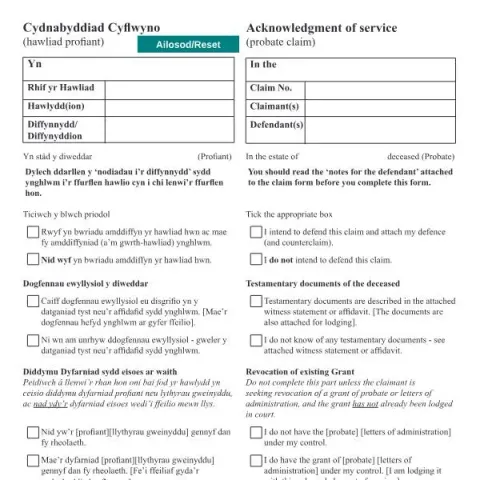
The N3 Acknowledgment of Service form is a crucial document used within the UK legal system, specifically in civil proceedings managed by HM Courts and Tribunals Service. Its primary purpose is to formally notify the court and the claimant that the defendant intends to respond to a claim filed against them. This form is an essential step in the legal process, enabling the defendant to either defend the claim, admit liability, or indicate other legal positions related to the case.
Who Should Fill Out the N3 Form?
The N3 form is intended for defendants involved in civil claims, including probate cases, personal injury claims, contractual disputes, or other civil matters. It must be completed and submitted by the defendant or their legal representative. Proper completion of this form ensures that the court and the claimant are officially informed of the defendant’s intentions regarding the claim, which can influence the subsequent legal proceedings.
How to Complete the N3 Acknowledgment of Service
Step 1: Reading Attached Notes
Before filling out the form, it is important to carefully read the attached 'notes for the defendant.' These notes provide guidance on how to complete each section correctly and highlight legal requirements specific to the case type, such as probate or general civil claims.
Step 2: Filling in Claim and Defendant Details
- Claim Number: Enter the unique reference number assigned to the claim.
- Claimant(s): List the individual or organisation bringing the claim.
- Defendant(s): Provide the name(s) of the person or entity responding to the claim.
Step 3: Indicating Your Position
Tick the appropriate box to specify your intention:
- I intend to defend the claim: Attach your defence and any counterclaims.
- I do not intend to defend the claim: Indicate your decision if you plan to admit liability or settle.
Step 4: Attaching Supporting Documents
If you have relevant evidence or documents, such as testamentary documents in probate cases, describe these in the attached witness statement or affidavit. If you do not possess any supporting documents, you can indicate this accordingly.
Step 5: Addressing Revocation of Existing Grants
In probate cases, if the defendant is seeking to revoke a grant of probate or letters of administration, they must complete this section, provided the grant has not already been lodged with the court. Indicate whether the grant is under your control and whether it will be lodged alongside this acknowledgment.
Signing and Submission
The form must be signed by the defendant or their legal representative. If signing on behalf of a company, include the position or office held. The completed form should be filed with the court, usually by post or through the court's electronic filing system, following the instructions provided by HM Courts and Tribunals Service.
Fill in your form directly online
No printing: type your details into the boxes of the official form, tick, then download the PDF ready to send.
- 1Type into the form boxes
- 2Tick in one click
- 3Save and download the PDF
Important Considerations and Common Errors
- Timeliness: The acknowledgment must be filed within the specified time frame after receiving the claim, often within 14 days, to avoid default judgments.
- Completeness: Ensure all sections are filled out accurately, especially claim details and your intentions regarding the defence.
- Supporting Documents: Attach all relevant evidence and correctly describe testamentary or other supporting documents.
- Legal Advice: When uncertain about how to complete the form or the implications of your choices, seek legal advice to ensure compliance and proper representation.
Where and How to Submit the Form
The completed N3 acknowledgment should be sent to the court handling the claim. Submission can typically be made via postal mail or electronically, depending on the court’s facilities. It is advisable to keep copies of the submitted form and any attachments for your records.
In summary, the N3 Acknowledgment of Service is a vital document that allows defendants to formally respond to civil claims in the UK. Proper completion and timely submission facilitate a fair and efficient legal process, ensuring that all parties are correctly informed of each other's positions from the outset of proceedings.