Understanding the Role of Form N122 Wales in Housing Disputes
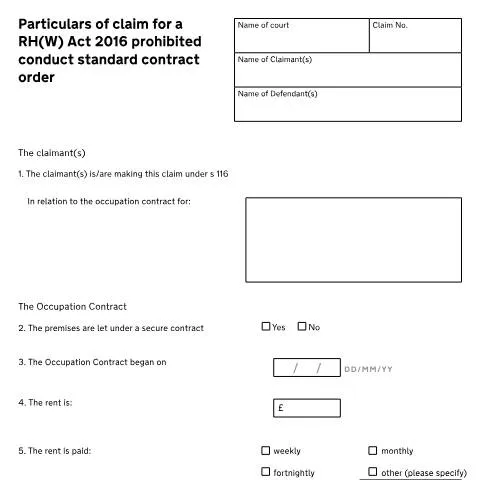
Form N122 Wales represents a significant step in managing housing disputes within Wales, particularly concerning claims related to the demotion of an occupation contract or a suspension of the right to buy. This form is primarily utilized when a landlord seeks to address certain conduct by a tenant that they deem unacceptable, and serves as a formal declaration of the claimant's intentions to the court.
Who Needs to Submit Form N122 and Why?
The applicant of Form N122 is typically the landlord or authorized representative who oversees the rental agreement under a secure contract. This is vital in cases where the landlord believes that the tenant has engaged in prohibited conduct as outlined in the Renting Homes (Wales) Act 2016. By presenting this form, the claimant is effectively requesting the court to intervene in the agreement, either by demoting the contract or imposing restrictions on the tenant’s right to buy their property.
- Landlords: Most commonly submit this form if they believe the tenant is violating terms of the occupation contract.
- Legal Representatives: May file on behalf of landlords, ensuring all legal protocols are followed.
Key Components of Form N122: What to Include
When filling out Form N122, it is imperative to include comprehensive details which support your claims. Here’s what should be included:
- Claim Details: Specify the nature of the conduct that led to the claim, alongside any related matters.
- Contract Information: Provide specifics about the occupation contract, including start dates, rent payment intervals (weekly, fortnightly, monthly), and the amount of rent.
- Service of Notice: Clarify whether a notice detailing the alleged conduct has been served to the tenant.
All information provided must be accurate, as inaccuracies could lead to complications in proceeding with the case. A statement of truth must also be included, confirming the validity of the claims made within the form.
Submission Channels for Form N122: Online and Offline Options
Submitting Form N122 Wales can be done through various channels, each with its advantages and implications:
| Submission Method | Description | Advantages |
|---|---|---|
| Online | Utilizing the HM Courts & Tribunals Service online submission portal. | Faster processing, immediate confirmation, and easier tracking of the claim status. |
| Paper | Filling out the form manually and submitting it by post to the appropriate court. | Preferred by those less comfortable with online forms, but longer processing times. |
| In-Person | Bringing the completed form directly to the local courthouse. | Immediate feedback from court staff and the ability to ask questions directly. |
It’s crucial to select a method that aligns with your needs and capabilities, as each submission route may come with its processing times and validation steps.
Following Up: Monitoring Your Claim Status
Once Form N122 has been submitted, it’s essential to monitor the status of your claim. The court system allows claimants to keep track of their submissions through various channels:
- Online Tracking: For those who submitted online, a tracking feature is often available, providing real-time updates.
- Direct Contact: Claimants can contact the court via phone or email to inquire about their case status.
- Physical Visits: Visiting the court can also yield information regarding the claim and any upcoming hearings.
Regularly checking on the status of your claim ensures that you remain informed and can react promptly to requests for more information or hearings scheduled by the court.
Distinguishing Form N122 from Similar Documents
Understanding the nuances between Form N122 and other forms used in similar contexts can alleviate confusion. For instance, while Form N122 specifically addresses claims concerning prohibited conduct under the Renting Homes (Wales) Act 2016, other forms might focus solely on eviction processes or various types of housing claims.
- Form N5: Typically used for possession claims, focusing more on the right to evict a tenant rather than the conduct issues addressed by Form N122.
- Form N119: Related to applications for a direction or order in civil proceedings, but not specifically tailored to the conduct issues in housing agreements.
Each form serves a unique purpose, underscoring the importance of selecting the correct one to avoid procedural delays and ensure that your legal rights are adequately represented.
Addressing Unique Circumstances: Special Cases Involving Form N122
Certain unique situations can affect how Form N122 is interpreted or processed:
- Foreign Nationals: Tenants who are foreign nationals may have additional regulations that apply to them, which can complicate proceedings.
- Minors: Claims involving minors may require a litigation friend to be appointed, ensuring that their rights are properly represented in the process.
- Urgent Situations: In cases where conduct poses an immediate risk to the landlord or other tenants, expedited processing may be requested.
Each of these cases demands careful consideration and potentially additional legal guidance to navigate the complexities involved effectively.
In Conclusion: The Importance of Accuracy and Legal Awareness
Completing Form N122 Wales correctly is vital for landlords looking to resolve issues related to tenant conduct effectively. The implications of each item filled out can significantly influence the pending legal proceedings. Ensuring accuracy, understanding the context of your claims, and selecting the right submission channel are all critical steps in this process. After submission, remaining proactive about tracking your claim and being prepared for any hearings will further support your position in a potentially contentious situation.
Ultimately, this process can often be complex, and when in doubt, seeking legal advice can provide clarity and confidence as you navigate the court system.
Understanding the Demotion Order and Right to Buy Suspension
The process of applying for a demotion order or suspension of the right to buy in Wales involves various legal principles and criteria that need to be carefully understood. A demotion order can be sought by a landlord when a tenant has breached the terms of their tenancy agreement, potentially leading to a reduction in the rights the tenant holds under the tenancy. This often entails lowering the tenant's status from secure to a less secure form of tenancy. Additionally, the suspension of the right to buy is typically applicable when the tenant is facing issues such as rent arrears or anti-social behaviour. Understanding the legal framework that governs these orders is crucial before initiating Form N122.
The process begins with the landlord serving a notice to the tenant explaining the reasons for the application. This notice must adhere to specific legal requirements under the Housing Act 1985 and local tenancy regulations. Furthermore, tenants have the right to contest the application in court, and it's vital to understand the implications of both the application and any potential court hearing. It’s advisable for tenants to seek legal advice when faced with these proceedings to ensure their rights are adequately protected.
Fill in your form directly online
No printing: type your details into the boxes of the official form, tick, then download the PDF ready to send.
- 1Type into the form boxes
- 2Tick in one click
- 3Save and download the PDF
Filling Out Form N122: Key Sections and Common Pitfalls
Form N122 is the official document used to apply for a demotion order or to suspend the right to buy in Wales. While the form may seem straightforward, there are several sections that require careful attention to detail, as common pitfalls can lead to delays or dismissals of your application. Here are key sections to focus on:
- Part A: Details of the Applicant: This section requires the landlord or the local authority to provide their details, including addresses and contact information. Ensuring that this information is accurate and up to date is crucial, as any discrepancies could hinder the application process.
- Part B: Tenant Details: This part requests information about the tenant, including their National Insurance number and current tenancy status. It’s essential to double-check that all information matches the official records, as incorrect details may lead to challenges from the tenant.
- Part C: Grounds for the Application: Here, the landlord must outline the reasons for seeking the demotion order or suspension. Providing comprehensive evidence to support these claims—including documents such as tenancy agreements, records of any breaches, and witness statements—is critical. Failure to provide sufficient evidence can result in the application being rejected.
Common pitfalls include failing to serve the appropriate notice to the tenant prior to submitting the form, or neglecting to supply supporting documents. These oversights can significantly impact the outcome of the application. Additionally, landlords should be prepared for the possibility of a court hearing where they must present their case and evidence in front of a judge.
Possible Outcomes and Next Steps after Filing Form N122
After submitting Form N122, landlords must be prepared for various outcomes that may arise from the court's decision. The court may grant the demotion order or suspension, refuse the application, or require further information before making a decision. Understanding the potential implications of these outcomes is important for both landlords and tenants.
If the court grants the demotion order, the tenant's rights under the tenancy will be altered, which could lead to an increased risk of eviction if further breaches occur. On the other hand, if the application is refused, the landlord may need to revisit their approach to managing the tenancy, including exploring other avenues for addressing any issues with the tenant.
In the event the court requires further information, landlords may need to act quickly to gather and submit additional evidence. This stage can be time-sensitive, especially if the tenant's right to buy is also under consideration. It's advisable for landlords to maintain open communication with their legal representatives during this process to ensure they meet any additional requirements and deadlines.
For tenants, the outcome of a demotion order could have significant implications on their housing security. If the application is upheld, tenants may wish to consider seeking advice from housing support organisations or legal professionals to understand their rights and any potential recourse available to them. Given the complexities involved in these situations, being well-informed is vital for all parties involved.