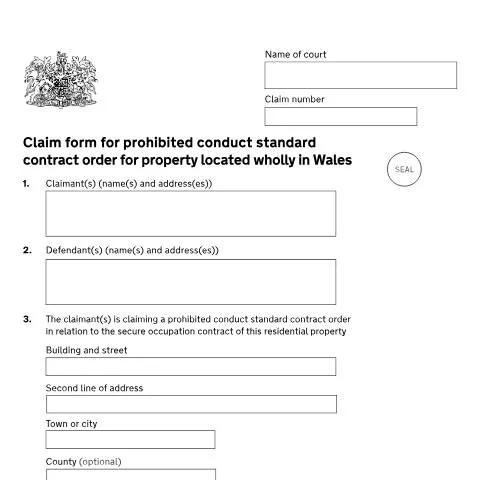
Navigating the N6 Wales: An Essential Guide for Tenancy Claims
In the complex world of rental agreements and housing rights in Wales, the Claim for Demotion of Tenancy or Suspension of Right to Buy: Form N6 Wales stands as an important legal instrument. This claim form is primarily used by landlords to seek a demotion of a secure tenancy due to prohibited conduct by the tenant. Whether you are a tenant facing allegations or a landlord initiating a claim, understanding this document is crucial for navigating the legal waters of tenancy disputes.
Understanding the Context of Form N6 Wales
The Form N6 Wales is part of a broader legal framework established by the HM Courts & Tribunals Service. It specifically targets cases involving allegations of anti-social behaviour or illegal activities associated with a tenancy. This form allows the landlord to formally request the court for a demotion of the tenant's contract or suspension of their right to buy the property.
What Constitutes Prohibited Conduct?
In order to effectively utilize Form N6, it is critical to grasp what constitutes prohibited conduct. The term generally refers to:
- Anti-social Behaviour: Actions that cause harassment, alarm, or distress to others.
- Illegal Usage: Utilising the property or common areas for unlawful activities.
These behaviours, if alleged by the landlord and substantiated in court, can lead to serious ramifications for the tenant, including the potential loss of their tenancy rights.
The Role of Form N6 in Legal Proceedings
When a claim is initiated through Form N6, it triggers a series of legal obligations and rights for both parties involved — the claimant (landlord) and the defendant (tenant). The court will examine the evidence presented regarding the alleged prohibited conduct and decide whether to proceed with the claim based on various factors, including the impact of the conduct on neighbours and the landlord's housing management responsibilities.
Insider Insights: How the Court Evaluates Claims
During the hearing, the court will assess:
- If the tenant has engaged in conduct causing annoyance or disturbance.
- Whether there is a reasonable basis for the landlord’s claim in light of the tenant's actions.
- The impact of the alleged behaviour on other residents and the community.
This evaluation is not merely about whether the tenant's behaviour was inappropriate but also about the broader ramifications of those actions on the living environment.
Completing Form N6: A Step-by-Step Approach
Filling out Form N6 may appear daunting at first glance, but breaking down the process can simplify it. Here’s a structured approach to ensure all necessary information is captured accurately:
1. Identifying the Parties Involved
Begin by clearly stating the names and addresses of both the claimant and defendant. This is crucial for ensuring that all parties involved can be accurately notified of court proceedings.
2. Claim Details
In this section, you should outline the specific nature of the claim. Be precise about the prohibited conduct you are alleging, citing any relevant incidents and their impact on you and others.
3. Financial Implications
Include the required court fee and any additional costs related to legal representation. It’s essential to be transparent about these financial aspects as they factor heavily into the court’s proceedings.
4. Preparing Evidence
Attach any supporting documentation that substantiates your claim. This could include witness statements, photographs, or police reports detailing incidents of alleged anti-social behaviour.
Channels for Submission: Where to File Your Claim
Once Form N6 is completed, the next step is submission. Understanding the various channels available for depositing the form is important for ensuring timely processing.
1. Online Submission
For those comfortable with technology, submitting your claim online can expedite the process. Ensure you follow the guidelines provided by the HM Courts & Tribunals Service for electronic filings.
2. Postal Submission
Alternatively, you can send the completed form via post. When doing so, make sure to use recorded delivery to track your submission and confirm receipt by the court.
3. In-Person Filing
If you prefer face-to-face interaction or have queries regarding your claim, visiting the court office in person is an option. However, be prepared for potential wait times.
Next Steps: What Happens After Submission?
After depositing your Form N6, there are several steps that will follow, which can significantly impact the trajectory of your case.
1. Court Date Notification
You will receive a hearing date, which is crucial for both the claimant and defendant to prepare their arguments effectively.
2. Preparing for the Hearing
Both parties should gather all necessary evidence and possibly consult with legal representatives to strengthen their case. Engaging with an experienced solicitor could prove beneficial in navigating the legal process.
3. Attending the Hearing
Attendance at the hearing is mandatory. During this session, each side will present its arguments, and the court will consider all evidence before making a ruling.
Financial Assistance: Managing Court Fees
For those concerned about the financial implications of pursuing a claim, it’s useful to know that there are provisions to assist individuals who may struggle to pay court fees.
1. Applying for Help with Fees
If you are on a low income or receiving specific benefits, you may be eligible to apply for help with fees. The EX160 form is used for this purpose and can lessen the financial burden of court-related costs.
2. Understanding Fee Waivers
Depending on your circumstances, the court may waive certain fees, allowing you to proceed with your claim without the added stress of financial strain.
What If Things Don’t Go as Planned?
Not every claim leads to the desired outcome. Understanding the options available if your claim is unsuccessful—or if you believe a mistake has been made—is critical.
1. Appeal Process
If the court rules against you, there may be grounds for appeal. Engaging with legal counsel can provide clarity on whether your case warrants further examination by a higher court.
2. Addressing Errors in Submission
If you identify an error in your submission, it’s essential to act quickly. Contact the court to determine how to amend your claim without causing undue delays.
Fill in your form directly online
No printing: type your details into the boxes of the official form, tick, then download the PDF ready to send.
- 1Type into the form boxes
- 2Tick in one click
- 3Save and download the PDF
Final Considerations: The Importance of Legal Advice
Navigating housing rights and responsibilities can be complex and emotionally charged. Engaging with a legal expert can provide valuable insights tailored to your specific situation, particularly when facing serious allegations. Legal professionals can assist in evidential preparation, understanding procedural requirements, and, most importantly, advocating for your rights in court.
In conclusion, the N6 Wales form is a vital tool in the landscape of tenancy rights in Wales. By understanding its nuances, preparing adequately, and consulting with legal professionals, both landlords and tenants can navigate the complexities of housing disputes more effectively.
Understanding the Grounds for Demotion of Tenancy
In Wales, a claim for demotion of tenancy can be made under specific circumstances outlined in the Housing Act 1985 and the Housing (Wales) Act 2014. The grounds for demotion are often linked to anti-social behaviour, breach of tenancy agreement, or changes in the tenant’s circumstances that may affect their ability to fulfill their obligations. It's essential to understand these grounds thoroughly, as they influence the outcome of your claim and the required evidence.
Anti-social behaviour includes actions that cause harassment, alarm, or distress to others. This could involve noise complaints, vandalism, drug-related activities, or other forms of disruptive behaviour. If a landlord can demonstrate a history of such behaviour, they can argue for demotion of tenancy. However, it's crucial that the evidence is robust — documentation of complaints, witness statements, and records of incidents can play a significant role in supporting the claim.
Additionally, a breach of tenancy terms — such as failure to pay rent or allowing unauthorized occupants — can also serve as grounds for demotion. Tenants are encouraged to keep communication channels open with their landlords to resolve issues before they escalate to formal proceedings. In the event of financial hardship, engaging with rent support services may help to mitigate the situation and prevent a claim for demotion.
The Suspension of Right to Buy: Implications and Considerations
The right to buy scheme allows tenants of local authorities and housing associations the opportunity to purchase their home at a discount. However, this right can be suspended under certain conditions, particularly when a tenant’s behaviour is under scrutiny, such as in cases involving anti-social behaviour or rent arrears. Understanding the implications of this suspension is critical for tenants who may be considering exercising their right to buy in the future.
When a landlord applies for a suspension of the right to buy, it can significantly impact a tenant's financial planning. The suspension generally lasts for a year, but if the tenant does not address the issues leading to the suspension — such as paying off rent arrears or resolving anti-social behaviour — the landlord may choose to extend this period. As such, tenants should be proactive in rectifying any issues that may lead to the suspension of their right to buy. They may benefit from seeking legal advice to understand their options and rights under the current legislation.
Moreover, if a tenant believes the suspension is unjust, they can appeal the decision. It’s crucial to gather all relevant evidence demonstrating either compliance with tenancy terms or mitigating circumstances that could explain any breaches. Engaging with mediation services may also provide an opportunity for tenants and landlords to reach an agreement without further escalation.
Preparing Your Case: Evidence and Documentation
When preparing a claim for demotion of tenancy or suspension of right to buy, the importance of comprehensive documentation cannot be overstated. Not only does solid evidence bolster your case, but it can also influence how landlords perceive the situation. Each claim must be supported by different types of evidence, including but not limited to, letters, photographs, and communication records.
For demotion claims, tenants should collect evidence that either counters the claims of anti-social behaviour or demonstrates a willingness to comply with tenancy agreements. This can include recent rent payment receipts, proof of engagement with community services, or letters of commendation from neighbours. The aim is to create a narrative that illustrates the tenant in a positive light and shows their commitment to maintaining a good tenancy.
For those facing suspension of their right to buy, documenting financial circumstances may be essential. This includes bank statements, proof of income, and any correspondence related to support services engaging in efforts to assist with rent payments. Tenants may also want to gather evidence that shows their commitment to addressing the issues that led to the suspension, such as attending community meetings or undergoing rehabilitation programs if applicable.
Ultimately, the more comprehensive and organized the documentation, the stronger the case presented will be. Tenants are encouraged to keep copies of all documents submitted and received, as this can facilitate future correspondence and serve as a reference point should further disputes arise.