Navigating the Challenge of Form N11D: A Practical Approach
In the realm of tenancy disputes in Wales, the Defence form (Demotion of Tenancy) - known as Form N11D - plays a crucial role. This document is essential for tenants who are facing demotion of their tenancy rights, particularly when a landlord is initiating proceedings that may endanger their housing security. The stakes are high, and understanding how to navigate this process can make a significant difference in the outcome of your case. This article takes you through the intricacies of Form N11D, emphasizing what tenants need to know before they fill it out and submit it, including the implications of their responses, alternative submissions channels, and the broader context surrounding this essential legal document.Understanding the Significance of Your Defence: Beyond the Basics
Form N11D is not just a piece of paper; it's a vital tool in protecting your rights as a tenant. When a landlord serves notice for demotion of tenancy, usually due to alleged prohibited conduct, this form allows you to present your defence. Here's why it's crucial:- Legal Representation: Tenants often feel overwhelmed and may not understand the legal jargon used in tenancy agreements and court documents. Using Form N11D effectively can be your first line of defence against unjust eviction.
- Documenting Your Stance: This form allows you to articulate your position, potentially disputing the landlord's claims about your conduct. It is your opportunity to set the record straight.
The Tenancy Landscape: Who Should Complete Form N11D?
This form is primarily aimed at tenants facing demotion of tenancy or suspension of the right to buy due to alleged breaches of tenancy agreements. However, it is essential to recognize the different circumstances under which it may be filled out:- Individuals with Support: Tenants who may need assistance, such as minors or those with disabilities, can seek help from litigation friends or legal representatives to ensure their rights are adequately represented.
- Joint Tenants: If multiple individuals are named on the tenancy agreement, all tenants may need to participate in the completion of Form N11D, especially when the conduct of a co-tenant is in question.
Breaking Down the Form: A Step-by-Step Guide Through N11D
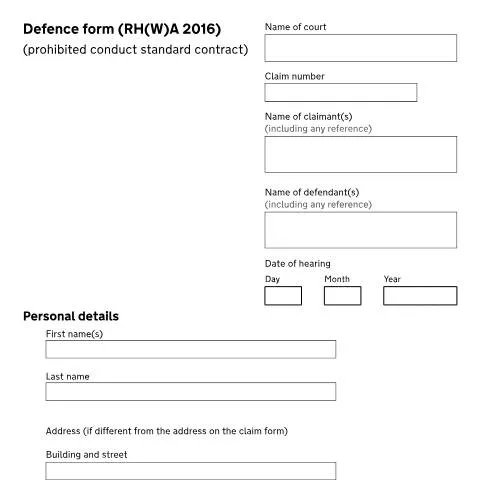
Completing Form N11D may seem daunting at first, but breaking it down into manageable sections can ease the process. Below we dissect the key components of the form, highlighting potential pitfalls and crucial information needed:Personal Details: Accuracy is Key
The first section asks for personal details, including your name, address, and other identifiers. Ensure that the information matches exactly with official records to avoid any discrepancies that could delay your case.Claimant Information: Know Your Opponent
You will need to provide details on the claimant, typically your landlord. Understanding who is bringing the claim against you can allow you to prepare your defence more strategically.Disputing the Claim: Articulate Your Defence
This section is perhaps the most critical. You must indicate whether you agree with the landlord's claims regarding your conduct and offer reasons if you disagree. It is here that you can lay out your case, providing facts that counter the landlord's assertions. Be factual and avoid emotional appeals, as this section may be scrutinized closely.Tip: Attach additional sheets as necessary, ensuring each page is clearly labeled with your claim number for easy reference by the court.
The Importance of Timing: When to Submit N11D
Understanding the timeline for submitting Form N11D is crucial. Generally, after receiving notice from your landlord, you must respond promptly:- Submission Deadline: You typically have 14 days from receiving the claim form to submit your completed N11D. Missing this deadline may lead to the court making a judgment in your absence.
- Hearing Dates: Be aware of your hearing date, which is stated on the claim form. This gives you a timeline to adequately prepare your defence and gather any evidence you may need.
How to Submit: Your Options for Filing N11D
Form N11D can be filed through various channels, and understanding these can help you choose the most suitable option for your situation.- Online Submission: Many courts now allow online submissions, which can expedite the process. Check with your local court to confirm their electronic filing options and ensure your submission is received promptly.
- By Post: If you choose to mail your form, consider using recorded delivery to ensure it reaches the court. Always retain proof of postage.
- In-Person Submission: You can also file your form at the court directly. This option allows for immediate confirmation of receipt and offers a chance to discuss any last-minute questions with court staff.
The Wider Context: How Form N11D Fits into the Legal Framework
Filing Form N11D does not occur in a vacuum; it's part of a broader legal process surrounding tenancy rights. Understanding the chain of events that lead to the necessity of this document is essential:| Stage | Action | Next Steps |
|---|---|---|
| Notice from Landlord | Receive notice of demotion | Assess the claims made |
| Completion of N11D | Fill out and submit the defence form | Prepare for hearing |
| Court Hearing | Attend the hearing and present your case | Await judgement from the court |
Real-Life Implications: The Outcomes of Submitting N11D
The consequences of your actions related to Form N11D can have lasting effects. Depending on the court's determination, outcomes can include:- Victory: Successfully disputing the landlord’s claims may allow you to retain your tenancy rights.
- Loss: If the court sides with the landlord, you may face tenancy demotion or loss of your right to buy your home.
- Appeals: Should you disagree with the outcome, there may be options for appeal, but this will require additional legal advice and action.
Preparing for the Hearing: Final Considerations Before D-Day
As you approach the hearing date, careful preparation can make all the difference. Ensure you gather all necessary documentation, including any evidence that supports your defence:- Witness Statements: Statements from neighbors or friends who can corroborate your account of events may be beneficial.
- Documentation: Keep copies of all correspondence with your landlord and any other relevant documents that support your position.
Empowering Your Tenancy Rights: The Role of Form N11D
Form N11D serves as more than a bureaucratic requirement; it is an essential tool in empowering tenants to protect their rights against potentially wrongful eviction or demotion of tenancy. By understanding the form's significance, the process for completion, and the broader context within which it operates, tenants can approach their case with confidence and a clearer understanding of their options. Navigating the complexities of tenancy disputes might feel overwhelming, yet being well-informed is your best ally in ensuring the security of your home and rights as a tenant.Understanding Form N11D: When to Use It
The Form N11D is essential for landlords and tenants in Wales when a landlord seeks to demote a tenancy. This process is often initiated under the provisions of the Housing Act 1985. Tenants may find themselves facing a demotion due to a variety of reasons, including breaches of tenancy agreements or anti-social behaviour. Understanding when to use Form N11D is crucial for both parties involved.
Landlords must provide strong evidence justifying the demotion. This could include documented instances of tenant misconduct or failure to comply with tenancy conditions. Conversely, tenants should be aware of their rights and gather any evidence that might support their case against the demotion. This includes character references or proof of compliance with tenancy agreements. This form not only serves as a request for demotion but also initiates a legal process that could affect the tenant's security of tenure.
It is advisable for tenants to seek legal advice before responding to a Form N11D, as the consequences of a demotion could significantly impact their rights. Moreover, understanding the timeline associated with this process is paramount, as there are strict guidelines concerning notification and response times. Assuming a landlord has applied to demote a tenancy, the court will typically set a hearing date, and both parties must prepare to present their cases effectively.
The Impact of Demotion on the Right to Buy
When a tenancy is demoted via Form N11D, it can have significant implications for the tenant's right to buy their home. The right to buy scheme allows eligible tenants of local authorities and housing associations in England and Wales to purchase their home at a discount. However, if a tenant's demotion is approved, their eligibility for the right to buy may be suspended or even revoked.
It is crucial for tenants to understand that the demotion of tenancy does not automatically mean the loss of the right to buy; however, it does complicate matters considerably. The local authority may require the tenant to demonstrate good conduct over a specific period before reinstating their eligibility for the right to buy. This period is generally determined by the authority's internal policies and could range from six months to several years, depending on the severity of the circumstances leading to the demotion.
For tenants who had already begun the process of exercising their right to buy prior to receiving a demotion notice, it is vital to communicate with the local authority or housing association promptly. They should clarify their current status and the steps they need to take to protect their interests. Understanding the nuances of the right to buy in relation to a demoted tenancy can help tenants navigate this complex situation effectively.
Steps to Complete and Submit Form N11D
Completing Form N11D requires attention to detail and a clear understanding of the information requested. First, landlords must provide their name, address, and the details of the tenant whose tenancy is being demoted. The form will request specific reasons for the demotion, which should be backed up by supporting evidence. This evidence is crucial, as it will be assessed during the court hearing.
Fill in your form directly online
No printing: type your details into the boxes of the official form, tick, then download the PDF ready to send.
- 1Type into the form boxes
- 2Tick in one click
- 3Save and download the PDF
Tenants must also respond to the claims made in the form, outlining their position, evidence, and any counter-arguments. This is their opportunity to present their side of the story, and they should ensure that all relevant information is included. Once completed, the form must be submitted to the appropriate court along with any required fees.
After submission, both parties should be prepared for the court hearing, where they will have the opportunity to present their cases. It's essential for tenants to stay informed about their rights and the court processes. They may also want to engage with support services such as legal advisors or advocacy groups who specialize in housing issues in Wales. Accurately completing and effectively submitting Form N11D can significantly impact the outcome of the demotion process.