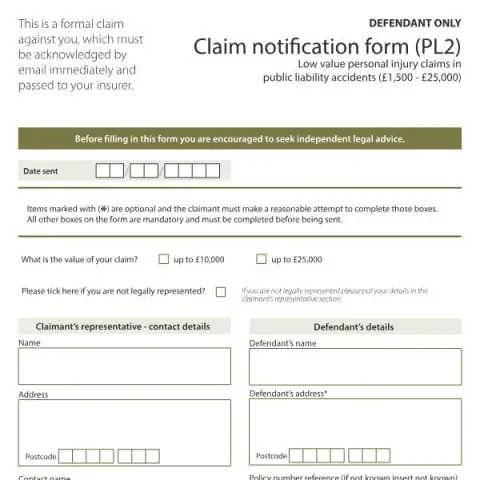
Navigating the Claims Process: The Essential Role of Form PL2
Imagine receiving a notification that you are being held liable for a personal injury claim stemming from a public accident. Your first step is to respond appropriately, and in the UK, that means filling out Form PL2. This critical document is designed specifically for defendants involved in low-value personal injury claims, typically ranging from £1,000 to £25,000. Understanding its nuances is essential for ensuring that you manage your legal responsibilities properly.
Timeframe and Key Milestones: Keeping Track of Important Dates
The timeline associated with Form PL2 is pivotal in shaping the proceedings of a personal injury claim. Upon receiving notification of a claim, defendants should acknowledge receipt immediately. Failing to respond can have serious repercussions, including the claim being deemed uncontested, resulting in a possible judgment against you.
Initial Acknowledgment
Once you receive the form, you are required to notify your insurer without delay. This initial acknowledgment is crucial, as it facilitates a speedy investigation into the circumstances surrounding the claim.
Response Timeline
- Initial Notification: Respond immediately upon receipt.
- Completion of Form PL2: Fill out the form and submit it within 21 days of acknowledgment.
- Submission to Tribunal: Ensure the completed form reaches the HM Courts & Tribunals Service within the set deadline.
After submitting your form, anticipate further communications from the court regarding the next steps, which may involve mediation or even a court appearance if the claim is contested.
Understanding the Nuances: Breaking Down Form PL2
Form PL2 may seem straightforward, but each section demands careful attention to detail. Inaccuracies or omissions can lead to delays or complications in the claims process.
Section A: Claimant's Details
The first section requires comprehensive details about the claimant. Ensure you accurately enter their name, address, and contact information. If the claimant is a minor, it's vital to acknowledge that it will be signed by a parent or guardian.
Section B: Injury and Medical Details
This section delves into the specifics of the injury sustained. Pay careful attention to the descriptions provided:
- Document the nature of the injury.
- Clarify whether the claimant has missed work due to the injury.
- Provide accurate dates for any medical visits.
Failure to provide precise details here can lead to questions about the legitimacy of the claim.
Potential Consequences of Errors: What Happens When Things Go Wrong?
Errors in filing can be detrimental. They can lead to delays, or worse, an adverse judgment. If you find yourself in a situation where a mistake has been made:
Common Errors and How to Address Them
- Missing Information: If any mandatory fields are left blank, the form may be returned for completion.
- Incorrect Dates: Ensure all dates are accurate; discrepancies can raise doubts about the claim.
What to Do If Your Claim Is Denied
If your claim is denied or you receive an unfavorable ruling, it is essential to consult legal representation immediately. They can guide you on the options available, including appealing the decision, which often must be done within a set timeframe.
Who Needs to Fill Out Form PL2? Understanding Eligibility and Exceptions
Defendants in low-value personal injury claims related to public liability accidents are primarily who this form targets. However, special cases exist, such as:
Minor Claimants
If the claimant is a minor, the form must be filled out by a legal guardian. This ensures that any claims made on behalf of children are handled with appropriate care and scrutiny.
Claimants with Legal Representation
If the claimant is represented by a solicitor, you might still need to respond to the claim. Ensure that the representative’s details are filled in correctly to maintain clarity.
Gathering Evidence: What Documents Should You Prepare?
Supporting your statements with evidence is critical to the claims process. Some of the documentation that may strengthen your case includes:
| Type of Document | Importance |
|---|---|
| Medical Reports | To substantiate claims of injury and treatment. |
| Witness Statements | To provide corroboration of your account of the incident. |
| Accident Reports | Any police or emergency services reports related to the incident. |
| Insurance Documents | To clarify insurance coverage and liability issues. |
Having these documents organized and prepared will streamline the process and can significantly impact the outcome of the claim.
Exploring Submission Channels: The Best Ways to Send Form PL2
Once completed, you have several options for submitting Form PL2. Each method has its pros and cons that you should consider:
Fill in your form directly online
No printing: type your details into the boxes of the official form, tick, then download the PDF ready to send.
- 1Type into the form boxes
- 2Tick in one click
- 3Save and download the PDF
Online Submission
Submitting your form online may offer the quickest route. Ensure you have all required documents scanned and ready for upload. Online submissions can often be tracked for confirmation.
Postal Submission
Mailing the form still remains a viable option, although it can lead to delays. Ensure to use a reliable postal service and consider sending it via recorded delivery for proof of submission.
In-Person Submission
For those who prefer face-to-face interactions, you may submit your form in person at your local HM Courts & Tribunals Service office. This method allows for immediate confirmation of receipt but requires additional planning to accommodate travel and waiting times.
Final Steps: What Happens After Submission?
After submitting Form PL2, prepare for the next phase of the claims process. You may receive a notification from the court regarding any upcoming hearings or mediation sessions. Understanding these next steps is crucial for effective participation in the claims process.
Follow-Up Actions
- Monitor for communications from your insurer regarding their response to the claim.
- Engage with any court-mandated mediation or hearings, ensuring you attend all scheduled appointments.
- Document all communications related to the claim for your records.
Being proactive can significantly influence the outcome of the claim and ensure that your rights are protected throughout the legal process.
Empowering Your Response: The Importance of Legal Advice
While navigating the intricacies of Form PL2 can be overwhelming, seeking independent legal advice is crucial. A qualified solicitor can provide invaluable assistance, ensuring your response is well-informed and comprehensive.
Benefits of Legal Representation
- Expert guidance on filling out the form accurately and completely.
- Assistance in gathering the necessary evidence to support your case.
- Support in navigating the legal landscape, including potential court appearances.
In a system where the stakes are high, having professional guidance can make all the difference in the outcome of your claim.