Navigating the Complexity of FL407A: A Step Towards Justice
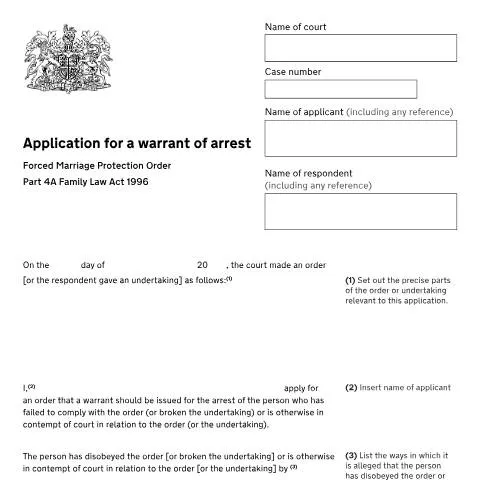
In the realm of family law, safeguarding individuals from forced marriages involves various legal mechanisms, one of which is the Application for a Warrant of Arrest (Forced Marriage Protection Order) using the FL407A form. This process is crucial for individuals seeking to enforce court orders designed to protect them from coercion and duress surrounding marriage. The potential stakes are incredibly high, as the consequences of non-compliance can profoundly affect the lives of those involved.
Understanding the Legislative Background
The foundation for the Forced Marriage Protection Order is established within Part 4A of the Family Law Act 1996. This crucial piece of legislation provides mechanisms for individuals to seek protection against forced marriage, which can involve threats, emotional abuse, and other forms of coercion. The presence of a legal framework reflects the seriousness with which the UK government addresses these issues, allowing victims the opportunity to pursue justice through the courts.
When an individual feels that their safety is compromised due to a violation of an existing court order related to a Forced Marriage Protection Order, they can turn to form FL407A to request a warrant for the arrest of the offending party.
The Role of Form FL407A in Legal Proceedings
Form FL407A serves as a vital instrument in the legal arsenal of those seeking to enforce a Forced Marriage Protection Order. It is designed for the applicant—often the victim or their legal representative—to outline the specific ways in which the respondent has disobeyed court orders or broken undertakings. This form is a formal request to the court to act against individuals who exhibit contempt of court.
The Significance of Timeliness
Timing is critical when applying for a warrant of arrest. Following a breach of court orders, applicants should act swiftly to lodge their application. The usual timeframe for lodging such an application is immediate, especially if there are ongoing threats or safety concerns. Delaying the submission of FL407A can increase the risk of further harm, which underscores the importance of understanding the process and taking prompt action.
Essential Components of the FL407A Form
Understanding how to fill out the FL407A form accurately is paramount to a successful application. Each section of the form is designed to capture specific information that the court requires. Here’s a breakdown of the form’s critical sections:
Identifying Information
- Name of Court: Clearly state the court where the original order was issued.
- Case Number: Provide the unique identifier linked to your case, which assists the court in locating the relevant legal documents.
- Name of Applicant: Include full names and any references that accompany your application.
- Name of Respondent: Similar to the applicant, accurately list the name(s) of the individual(s) against whom the warrant is sought.
Details of the Breach
In this section, applicants must succinctly list the precise ways the respondent has failed to comply with the order or undertaking. This can include:
- Failure to attend court hearings as ordered
- Violation of specified conditions set by the court
- Threatening or harassing the applicant post-judgment
Being detailed and clear is critical here; the court relies on this information to ascertain the legitimacy of the application for a warrant.
The Statement of Truth
One of the most vital parts of the FL407A form is the Statement of Truth. In signing this section, you affirm that all provided information is accurate to the best of your knowledge. It is essential to note that making false statements can lead to serious legal repercussions, including contempt of court proceedings.
The Procedural Journey of FL407A: From Submission to Action
Understanding the chronological flow of the FL407A application process can empower applicants and facilitate better preparation. Here’s a detailed outline of what to expect:
- Preparation of the Application: Gather all necessary information and supporting documents before filling out form FL407A. This may include any evidence of the respondent's contempt of court.
- Filling Out the Form: Complete the form accurately, ensuring all required sections are filled in.
- Submission to Court: Once completed, submit the application to the appropriate court. This may involve physically delivering the documents or potentially using an online submission method, depending on court protocols.
- Court Review: The court will review the application, and if satisfied with the presented information, they may issue a warrant for arrest.
- Enforcement of the Warrant: If a warrant is issued, it will be forwarded to local law enforcement for execution. This is where the court order is taken seriously, leading to the potential arrest of the respondent.
- Follow-up Hearing: Following the arrest, a court hearing will often be scheduled to further address the matter, allowing both parties to present their cases.
Considerations for Supporting Documentation
Alongside the FL407A form, applicants are encouraged to prepare a comprehensive suite of documentation that supports their application. This may include:
- Previous Court Orders: Any existing court orders or undertakings that highlight the respondent’s obligations.
- Evidence of Breach: Text messages, emails, or recorded communications that demonstrate the respondent’s non-compliance or threat.
- Witness Statements: Affidavits from individuals who can corroborate the claims of breach.
Each piece of documentation strengthens your application, showcasing the respondent’s disregard for the court's authority.
After Submission: What Happens Next?
Upon submission of form FL407A, several potential outcomes may arise, depending on the court's assessment of the situation:
- Warrant Issued: If the court deems the application justified, a warrant will be issued for the arrest of the respondent.
- Further Inquiry: The court might require additional information or hold a hearing to explore the claims made within the form.
- Rejection of the Application: In some cases, the court may reject the application, in which case the applicant should explore further options, possibly with legal assistance.
Understanding Legal Representation
While individuals can file form FL407A independently, seeking legal counsel is advisable. A solicitor specializing in family law can provide guidance on the nuances of the application process and help strengthen your case. Legal representation can also ensure that you navigate the complexities of the court system effectively.
The Bigger Picture: Protecting Rights and Safety
Ultimately, applying for a warrant of arrest through the FL407A form stands as a critical mechanism in the fight against forced marriage. This legal process not only seeks to protect vulnerable individuals but also reinforces the importance of the rule of law in family matters. It serves as a tangible reminder of the rights afforded to individuals within the UK legal framework.
Each application made using form FL407A assists in sending a broader message about the importance of compliance with court orders and the responsibilities individuals have towards one another under the law. The repercussions of ignoring these responsibilities can lead to serious legal consequences, which the court is well-equipped to address.
Understanding and effectively navigating the FL407A process can empower victims to reclaim their autonomy and seek the legal protections they deserve.
Understanding the Legal Grounds for a Warrant of Arrest under a Forced Marriage Protection Order
In the UK, the Forced Marriage (Civil Protection) Act 2007 provides essential legal avenues for individuals at risk of forced marriages. A Forced Marriage Protection Order (FMPO) can be sought against individuals who are either attempting to force someone into marriage or have already done so. It is crucial to understand the legal grounds upon which such a warrant of arrest can be issued.
The courts must be satisfied that the applicant is at risk of a forced marriage or that the order is necessary to protect them from such threats. Key considerations include evidence of coercive behavior by family members or others, previous attempts to force an individual into marriage, and any relevant history of domestic abuse. The applicant must provide clear details about the fear of imminent harm or forced marriage, underlining the urgency of the situation.
Furthermore, the court may consider the wider context, such as cultural or community expectations that may exacerbate the applicant's vulnerability. This understanding allows the judges to contextualize the application within the applicant's unique circumstances, facilitating a more informed decision about issuing a warrant for arrest against the alleged perpetrator.
The Application Process: Step-by-Step Guidance on Completing Form FL407A
Completing Form FL407A requires careful attention to detail and a clear understanding of the circumstances surrounding the request for a Forced Marriage Protection Order. Here is a detailed step-by-step guide to help you navigate the application process effectively.
1. Gathering Evidence: Before filling out the form, collect all necessary documents that support your case. This might include any communication from the parties attempting to force the marriage, police reports, medical records, or witness statements that corroborate your claims.
Fill in your form directly online
No printing: type your details into the boxes of the official form, tick, then download the PDF ready to send.
- 1Type into the form boxes
- 2Tick in one click
- 3Save and download the PDF
2. Filling Out the Form: Ensure that you accurately complete all sections of Form FL407A. Pay particular attention to sections that require you to detail your fears or experiences regarding forced marriage. Be as specific as possible, outlining dates, names, and locations where incidents occurred.
3. Legal Representation: While it is not mandatory to have a solicitor, legal advice can be invaluable, especially if the case becomes complex. A qualified solicitor can help ensure that your application is thorough and that all necessary legal protocols are followed.
4. Submitting the Application: Once the form is completed, submit it to the relevant court with jurisdiction over your case. It's essential to do this promptly, as delays could impact your safety. Be prepared to provide additional copies of the form for the court and any other involved parties.
5. Preparing for the Hearing: After submission, a hearing date will be set. Prepare by reviewing your case details, practicing what you want to say, and anticipating questions from the judge. If you have legal representation, they will guide you through this process to ensure you are fully prepared.
Potential Outcomes of an Application for Warrant of Arrest
When an application for a Warrant of Arrest under a Forced Marriage Protection Order is granted, various outcomes can occur, depending on the specifics of the case and the responses from the involved parties. Understanding these potential outcomes will help you anticipate the next steps in your situation.
1. Immediate Protection: If the court finds sufficient grounds, it may order immediate protective measures. This can include a prohibition against the alleged perpetrator from contacting or coming near the applicant. Such measures aim to ensure the applicant's safety while further arrangements or legal proceedings unfold.
2. Hearing and Further Investigations: Following the warrant's issuance, a court hearing will occur. During this hearing, both the applicant and the respondent will present their cases. The judge may take further evidence from witnesses and consider any additional submissions before deciding whether to uphold the orders in place.
3. Enforcement Actions: If a Warrant of Arrest is issued, law enforcement agencies must act upon it. This means the police are obligated to locate and arrest the alleged perpetrator. The individual may then be brought before the court to explain their behavior and compliance with the order.
4. Legal Consequences for Violations: If the respondent violates the terms of the FMPO, they could face serious legal implications, including potential imprisonment. The severity of the penalty often correlates with the violation's nature, highlighting the importance of adhering to court orders.
5. Follow-Up Support Services: After the legal proceedings, the applicant may be eligible for follow-up support from various organizations that specialize in helping victims of forced marriages. This support often includes counseling, legal assistance, and resources to help individuals reclaim their autonomy and safety.