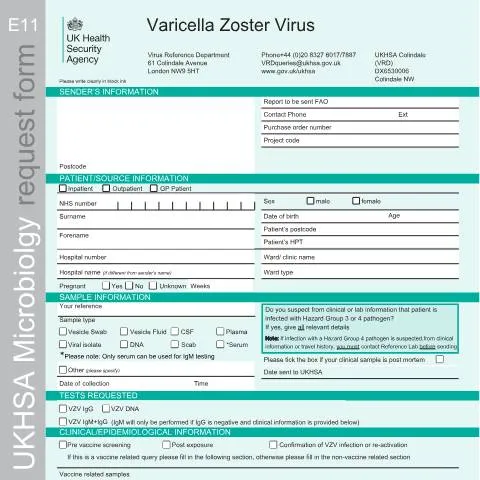
Understanding the Varicella Zoster Virus Referral Form in Context
The Varicella Zoster Virus (VZV) referral form is pivotal for the UK Health Security Agency (UKHSA) in managing and tracking cases of Varicella (chickenpox) and Herpes Zoster (shingles). In an era where vaccine-related queries are frequent, this form enables healthcare professionals to report and obtain crucial diagnostic information efficiently. It helps streamline processes related to VZV infection and vaccination follow-ups, thus contributing significantly to public health surveillance.
A Timeline of Submission: When and What to Expect
Understanding the timeline for submitting the Varicella Zoster Virus referral form is crucial for healthcare providers. The process typically unfolds as follows:
- Referral Initiation: Healthcare providers can begin filling out the form once they suspect a VZV infection in a patient. It's essential to gather relevant clinical information beforehand.
- Sample Collection: Samples can be collected at any time, but they should be sent promptly to ensure accurate test results. Different sample types such as vesicle swabs, plasma, and CSF may be required based on clinical suspicion.
- Form Submission: Completed forms should be submitted without delay to UKHSA. The quicker the submission, the faster public health responses can be initiated.
- Testing Phase: Upon receipt, UKHSA conducts tests and analyses, the results of which are typically shared with the referring clinician within 5-10 working days.
- Follow-Up Actions: Depending on the results, further clinical actions may be necessary, which could include notifying at-risk individuals or public health interventions.
Preparing the Necessary Documentation: A Guide for Healthcare Providers
When completing the Varicella Zoster Virus referral form, healthcare providers must ensure that all required information is correctly filled in. Here are the key sections and their relevance:
| Section | Details Required | Importance |
|---|---|---|
| Patient Information | Name, Date of Birth, NHS Number | Identifies the patient and links records. |
| Clinical Details | Symptoms, vaccination history | Essential for accurate diagnosis and treatment decisions. |
| Sample Information | Type of samples collected | Determines testing protocols and necessary follow-ups. |
| Sender’s Information | Healthcare provider’s details | Facilitates communication for results and further inquiries. |
Completing these sections accurately enhances the efficiency of VZV case management and helps UKHSA to respond effectively.
The Role of the Varicella Zoster Virus Referral Form in the Broader Context of Public Health
This referral form is not just a document; it represents a crucial component in the UK's public health strategy for dealing with VZV. The form allows epidemiologists and public health professionals to collect data systematically, which subsequently informs vaccination strategies, outbreak responses, and health policies. Here’s how it fits into the larger framework:
- Outbreak Management: By tracking cases of chickenpox and shingles, UKHSA can identify outbreak patterns and implement control measures effectively.
- Vaccine Effectiveness Monitoring: Gathering information about vaccine-related adverse events contributes to assessing the safety and effectiveness of current vaccination programs.
- Research Contributions: Data collected through these forms provide invaluable insights for research on VZV, influencing future health interventions and policies.
Legal Context: Understanding the Regulatory Framework
The handling of the Varicella Zoster Virus referral form is governed by several legal frameworks designed to protect patient confidentiality and ensure data integrity:
- Data Protection Act 2018: This act governs the processing of personal data in the UK, ensuring that patient information is handled lawfully and ethically.
- UK GDPR: Similar to the Data Protection Act, this regulation emphasizes the lawful processing of personal data, particularly in health-related contexts.
Healthcare professionals must be aware of their obligations under these regulations when completing and submitting the form, ensuring that all data is accurate, secure, and shared only with authorized personnel.
Unique Cases: Guidelines for Special Circumstances
There are scenarios where the standard procedure for filling out the Varicella Zoster Virus referral form might vary:
- Minors: When the patient is a minor, parental consent is typically required before submitting the form. The healthcare provider should ensure that all details regarding guardianship are appropriately documented.
- Travel History: If the patient has traveled recently, it is critical to include this information. It may influence the clinical assessment and subsequent testing.
- Immunocompromised Patients: Special attention must be given to patients with weakened immune systems. Their clinical details, including any medication they are taking, should be thoroughly documented for tailored follow-up.
- Pregnant Patients: In cases of pregnant patients, additional care should be exercised, as VZV can pose significant risks. The form should clearly indicate the pregnancy status, along with any relevant clinical observations.
Understanding these unique cases is vital for ensuring that the referral process is not only compliant but also effective in addressing the patients' needs.
Next Steps After Submission: What Healthcare Providers Should Expect
Upon submission of the Varicella Zoster Virus referral form, several steps follow:
- Processing Time: UKHSA processes the submitted forms and samples typically within a timeframe of 5-10 working days. Providers should remain patient during this period.
- Receiving Results: Results are communicated back to the referring healthcare provider. It's essential that the provider ensures their contact information is accurate to avoid any communication issues.
- Further Action: Based on the results, healthcare providers may need to take additional steps, such as notifying patients about their diagnosis, discussing management options, or reporting cases to public health authorities.
The proactive engagement of healthcare providers in following up on these steps can significantly improve patient outcomes.
Final Thoughts: Keeping Patient Safety and Public Health in Focus
The Varicella Zoster Virus referral form is an integral part of the UK's strategy for managing VZV infections. Proper understanding and careful handling of this document can enhance patient care and contribute to the broader goals of public health. Healthcare providers are encouraged to stay informed about the latest guidelines and procedures related to this form, recognizing its importance not just for individual patients but also for the health of the community at large.
Understanding the Varicella Zoster Virus (VZV)
The Varicella Zoster Virus (VZV) is a member of the herpesvirus family that causes chickenpox (varicella) upon initial infection and can lead to shingles (herpes zoster) later in life when the virus reactivates. Understanding VZV is crucial for healthcare providers and patients alike, as it plays a significant role in public health, particularly in the context of vaccination and managing outbreaks.
This virus is highly contagious, primarily spreading through respiratory droplets and direct contact with the vesicular fluid of chickenpox lesions. The incubation period ranges from 10 to 21 days, with patients being infectious from about two days before the rash appears until all lesions have crusted over. Clinical manifestations include an itchy rash, fever, fatigue, and loss of appetite. For those who have previously had chickenpox, the virus may remain dormant in nerve cells and can reactivate later in life, resulting in shingles, which presents as painful rashes and blisters typically localized to one side of the body.
Vaccinations are available to prevent both chickenpox and shingles, with the varicella vaccine administered in childhood to confer immunity. The National Health Service (NHS) recommends the varicella vaccine for children who are susceptible and have not had chickenpox. Understanding the virus, its transmission, and preventive measures is vital for healthcare providers in the UK, particularly when considering referral forms for patients suspected of having or at risk for VZV infections.
Referral Process for Suspected Varicella Zoster Virus Cases
The referral process for suspected Varicella Zoster Virus cases involves several steps that healthcare professionals must follow to ensure proper diagnosis and treatment. Primary care providers, such as general practitioners (GPs), play a crucial role in identifying cases and deciding when to refer patients to specialists or other services.
When a patient presents with symptoms suggestive of chickenpox or shingles, the GP will first conduct a thorough clinical assessment, including a review of the patient's medical history, vaccination status, and any potential exposure to infected individuals. If the clinical presentation is consistent with VZV infection, the GP may choose to refer the patient to a specialist, such as an infectious disease consultant or dermatologist, for further evaluation and management.
The referral should be completed using the appropriate NHS referral form, which may vary depending on the healthcare setting. It is essential to include relevant clinical details, such as the onset of symptoms, duration, and any prior vaccinations against VZV. Additionally, the GP may need to highlight any underlying health conditions that could complicate the infection, such as immunosuppression, which requires timely intervention.
Upon receiving the referral, the specialist will conduct additional diagnostic tests, if necessary, such as polymerase chain reaction (PCR) testing to confirm the presence of VZV. Following diagnosis, the specialist will discuss management options with the patient, which may include antiviral medications or supportive care, especially for those at higher risk of complications.
Implications of Varicella Zoster Virus on Public Health
The Varicella Zoster Virus has significant implications for public health in the UK, particularly regarding vaccination programs and outbreak management. The widespread implementation of the varicella vaccination has led to a marked decrease in the incidence of chickenpox and a reduction in associated complications, including hospitalizations.
The NHS's vaccination schedule includes the varicella vaccine as part of the childhood immunisation programme. Monitoring vaccination rates is critical to maintain herd immunity, which protects vulnerable populations, particularly infants, pregnant women, and immunocompromised individuals who are at higher risk of severe disease. Public health authorities, including Public Health England and the UK Health Security Agency, conduct surveillance to track the incidence of VZV infections and evaluate the impact of vaccination efforts.
In the event of an outbreak, prompt reporting is essential. Healthcare providers are required to report confirmed cases to local health protection teams to initiate control measures. These may include advising schools and childcare settings on exclusion policies during outbreaks to limit transmission.
Additionally, public health campaigns aimed at increasing awareness about the importance of vaccination and early recognition of VZV symptoms are crucial in preventing outbreaks. These efforts help educate the public about the risks associated with chickenpox and shingles, thus contributing to reducing the overall burden of disease in the community.