The Significance of the Herpes Simplex Virus Referral Form in Clinical Practice
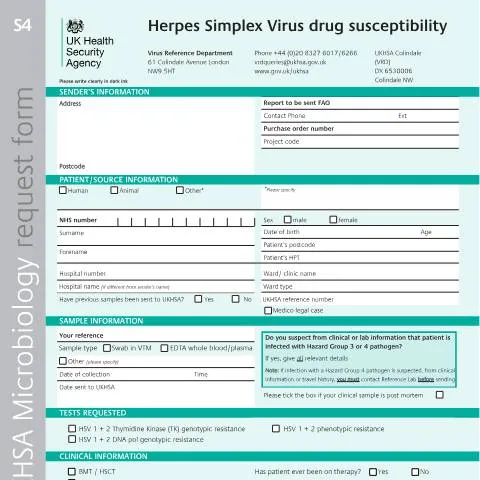
The Herpes Simplex Virus: Referral Form is an essential document used within the framework of the UK Health Security Agency (UKHSA). It plays a critical role in the identification and management of herpes simplex virus (HSV) infections that warrant further investigation or special treatment. The process of referring patients for HSV testing is not merely administrative; it is a vital component of patient care, involving infectious disease specialists who require accurate and detailed patient histories to make informed decisions.
A Vital Link Between Healthcare Providers and the UKHSA
When healthcare professionals suspect a patient is infected with HSV, especially in complex cases involving haematological malignancies, solid organ transplants, or immunocompromised states, this form acts as the bridge to advanced diagnostic services. The sharing of clinical information through this form enables the UKHSA to assess the clinical context, thereby ensuring that appropriate tests are conducted.
Preparing for Submission: Understanding the Required Information
Completing the Herpes Simplex Virus referral form requires precise information. Here’s what needs to be included:
- Patient Information: Details such as NHS number, date of birth, and contact information are crucial for identification.
- Clinical Background: A comprehensive patient history, including previous treatments and current symptoms related to HSV.
- Sample Information: Type of sample submitted (swabs, blood plasma, etc.), collection date, and the date sent to UKHSA are essential for accurate processing.
- Tests Requested: Indicate specific tests that the referring physician believes are necessary for diagnosis.
Gathering this information beforehand can streamline the referral process and enhance the likelihood of effective patient management.
Justifying the Need for Referral
In certain scenarios, it is critical to establish the rationale behind a referral. For instance:
- If the patient is immunocompromised, the urgency and type of tests may vary significantly.
- In cases with a history of HIV infection, prior treatments should be documented clearly to guide the testing process.
Providing a thorough clinical context helps UKHSA professionals to prioritise the case and recommend appropriate therapies based on the patient's unique situation.
Framework and Regulatory Context of the Referral Process
The Herpes Simplex Virus referral form operates within a well-regulated environment governed by the Data Protection Act 2018 and UK GDPR. The legislation ensures that personal data is processed securely and used for legitimate medical purposes only. This legal framework not only protects patient confidentiality but also ensures that all health data collected through forms like this is handled with the utmost care and respect.
Compliance with Clinical Standards
Forms submitted to the UKHSA must meet specific clinical standards. Referrals can arise from various scenarios, including:
- Patients exhibiting severe clinical symptoms.
- Those with a history of recurrent herpes infections and complicated cases.
- Patients involved in medico-legal scenarios where a thorough investigation is warranted.
Understanding these compliance aspects is crucial for healthcare providers to ensure that their referrals are processed quickly and efficiently.
Building a Chain of Communication: Follow-Up Procedures
After submitting the referral form, healthcare providers must understand how to track and manage the subsequent stages of the patient's care. Following up with UKHSA is essential for obtaining diagnostic results and understanding the next steps in treatment. Here’s how to establish effective communication:
- Ensure you maintain accurate records of the UKHSA reference number provided once the form is accepted.
- Use the contact information provided on the form to reach out to the Virus Reference Department for updates.
- Set reminders to follow up on results, especially if there are specific treatment timelines that need to be adhered to.
By remaining proactive in communication, healthcare providers can ensure that their patients receive timely and effective treatment.
Consequences of Incomplete or Delayed Submissions
Submitting an incomplete or incorrect referral form can have significant implications for patient care. Delays in diagnosis or treatment can lead to:
- Worsening of the patient’s condition.
- Increased healthcare costs due to complications arising from untreated infections.
- Potential legal ramifications if delays impact patient outcomes adversely.
Therefore, meticulous attention to detail when completing each section of the form is paramount. Healthcare professionals must ensure that all questions are answered accurately, and any necessary documentation is attached.
Real-Life Scenarios: Understanding the Nuances of the Referral Process
Consider two hypothetical scenarios that highlight the importance of thoroughness in completing the referral form:
- Case A: Immunocompromised Patient A patient with a recent organ transplant presents with symptomatic HSV. The physician completes the referral form, detailing the patient's immunosuppression therapy and previous episodes. Accurate completion of the form ensures that the UKHSA prioritizes the analysis of the sample, potentially saving the patient's life.
- Case B: Recurrent Infections A patient with a history of recurrent HSV fails to provide adequate details about past treatments. The UKHSA, lacking critical information, may misinterpret the test results, leading to inappropriate treatment recommendations. This case underscores the need for comprehensive details within the form.
These scenarios underscore the real-world impact of the information shared through the referral form and the necessity for healthcare providers to approach each submission with diligence.
What Happens After Submission: The Diagnostic Journey
Upon receiving the referral, the UKHSA undertakes a thorough analysis of the submitted samples. A typical sequence of events includes:
- Sample Reception: The samples are logged and assigned a unique reference number for tracking.
- Testing Phase: Various tests, including susceptibility tests for different HSV strains, are conducted.
- Result Compilation: A detailed report is generated, outlining the findings and recommendations for further management.
Healthcare providers will receive notifications regarding the results, which are crucial for determining the next steps in patient management.
The Role of Communication in Effective Patient Management
Lastly, effective communication with patients regarding the referral process is equally important. Patients should be informed about:
- The reason for the referral and what it entails.
- Potential timelines for receiving results.
- What to expect in terms of treatment options based on possible outcomes.
Clear communication fosters trust and ensures that patients are actively involved in their care, reducing anxiety associated with waiting for test results.
Understanding the Herpes Simplex Virus Referral Process
In the UK, the referral process for the Herpes Simplex Virus (HSV) involves several steps that healthcare providers must adhere to in order to ensure appropriate patient care. Clinical guidelines recommend that patients suspected of having HSV or those who require specialist input be referred to a Sexual Health Service or a dermatology clinic, depending on their symptoms and history.
When considering a referral, it is crucial for medical professionals to gather comprehensive patient information, including symptom onset, prior outbreaks, and any potential risk factors. The details gathered will significantly inform the receiving specialist and contribute to a more tailored approach to the patient’s treatment plan.
Additionally, referral forms should include information about any previous treatments the patient has tried, including antiviral medications. This allows specialists to determine the most appropriate and effective future treatment options. The referral process is designed to be straightforward, but specific forms may vary by region or practice, so practitioners must ensure they are using the correct referral template as per local NHS guidelines.
Impact of Data Protection Regulations on Referral Forms
Under the Data Protection Act 2018 and UK GDPR, healthcare providers must ensure that any personal data collected during the referral process adheres to strict confidentiality and security standards. This applies to HSV referral forms, where sensitive information regarding the patient’s health status must be processed lawfully and transparently.
Healthcare providers are responsible for ensuring that patients understand how their data will be used. Patients should be informed about their rights concerning their personal data, including the right to access information and the right to rectification. This is particularly essential when it comes to sensitive health information like that concerning HSV, as patients may have concerns about privacy and data security.
Staff handling referral forms must receive training on data protection best practices to prevent any breaches that could lead to unauthorized access to personal health information. Moreover, any referral forms that include electronic submissions must utilize secure systems to safeguard this personal data throughout the referral process.
Patient Experience and Follow-Up Care Post-Referral
Once a patient has been referred for assessment and treatment of HSV, the experience is critical to their overall healthcare journey. Patients should receive clear communication regarding what to expect at their follow-up appointments. This includes information on the nature of the tests, potential treatment options, and a timeline for when they can expect to receive their results.
Healthcare providers are encouraged to offer patients educational resources about HSV to minimize anxiety and provide clarity about the condition. In many cases, patients may have misconceptions about HSV, including its transmission and implications on health. Providing accurate and accessible information can aid in improving patient confidence and enabling informed decisions regarding their health.
Follow-up care is essential in managing HSV effectively. Patients should be monitored for recurring outbreaks and any complications that might arise. A comprehensive follow-up care plan tailored to the individual’s needs can include antiviral therapy, lifestyle counseling, and regular check-ins to assess their condition. Health professionals should ensure that patients feel supported throughout their journey to manage their condition.