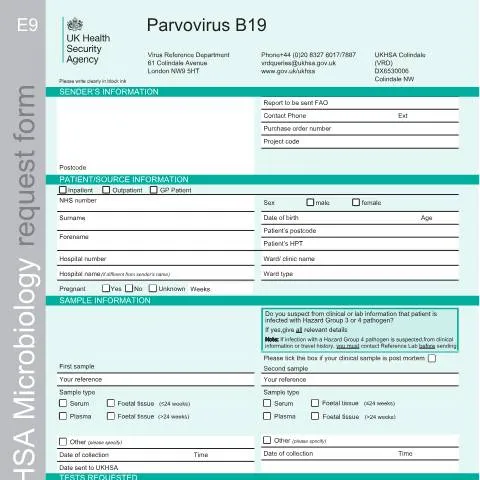
Understanding the Parvovirus B19 Referral Form: A Critical Tool for Health Professionals
The Parvovirus B19 referral form is an essential document utilized by healthcare professionals within the UK Health Security Agency (UKHSA) framework. Its primary function is to facilitate the safe and effective referral of patients suspected of having infections related to Parvovirus B19. This form plays a pivotal role in ensuring that patients receive timely and appropriate diagnostic testing and follow-up care.
Who Needs to Submit the Parvovirus B19 Referral Form?
This form is typically filled out by various healthcare professionals, including doctors and nurses, working in hospitals, clinics, or other healthcare settings. Specifically, individuals in the following situations should consider submitting this form:
- Patients showing clinical symptoms: If a patient exhibits symptoms consistent with Parvovirus B19 infection, such as rash or arthropathy, a referral is warranted.
- Pregnant women: Due to the potential complications associated with Parvovirus B19 infection during pregnancy, special attention is required.
- Individuals with haematological diseases: Patients with these conditions may be at a higher risk of complications from infections.
Failing to submit this form when necessary can lead to significant repercussions for patient care, including delays in diagnosis and treatment.
Breaking Down the Process: Filling Out the Form
Completing the Parvovirus B19 referral form may seem daunting at first glance, but it is crucial to provide accurate information to ensure the best outcomes for patients. Below are details on the key sections of the form:
Sender's Information
Begin by entering the sender’s details, including:
- Contact Information: Name, phone number, and possibly a postcode.
- Hospital or Clinic Details: If different from the sender, include the name of the hospital or clinic.
Patient's Information
It is imperative to provide comprehensive details about the patient, such as:
- Name and Date of Birth: Ensure accuracy to avoid mix-ups.
- NHS Number: This identifier is crucial for tracking health records.
- Pregnancy Status: Indicate whether the patient is pregnant, which influences management options.
Sample Information
The form requires details about the samples being submitted:
- Type of Sample: Specify whether the sample is serum, plasma, or fetal tissue.
- Collection Date and Time: Accurate timing is essential for test validity.
Providing all the requested information meticulously can significantly expedite the processing of the referral.
Where and How to Submit the Form
Once the Parvovirus B19 referral form is completed, it must be submitted to the UKHSA. The contact details for submission are as follows:
- Address: Virus Reference Department, 61 Colindale Avenue, London NW9 5HT.
- Email: [email protected].
- Phone: +44 (0)20 8327 6017/7887 for any queries.
It’s important to retain a copy of the submitted form for your records.
Post-Submission: What Happens Next?
After the submission of the Parvovirus B19 referral form, several steps take place:
- Sample Processing: The UKHSA will process the samples and conduct necessary testing.
- Results Reporting: Results are typically dispatched to the sender, indicating whether Parvovirus B19 infection has been confirmed.
- Follow-Up: Depending on the results, follow-up actions may be necessary, including additional tests or treatment.
Understanding this workflow allows healthcare professionals to better manage expectations and provide timely updates to the patients involved.
Special Considerations for Specific Patient Groups
There are specific considerations when completing the Parvovirus B19 referral form based on patient characteristics:
Pregnant Patients
For pregnant patients, careful consideration is critical. The risk of complications due to Parvovirus B19 infection can affect both the mother and the fetus. It is essential to:
- Indicate the number of weeks pregnant on the form.
- Ensure that any symptoms or relevant medical history that may impact the pregnancy are clearly noted.
Pediatric Patients
In the case of minors, additional information may be necessary, including:
- Parental consent for testing.
- History of exposure to infected individuals, which should be documented.
Risk of Delays and Consequences of Incomplete Applications
Submitting an incomplete or unclear Parvovirus B19 referral form can lead to significant delays in patient care. Common pitfalls to avoid include:
- Omitting critical patient details such as their NHS number.
- Failing to specify the type of samples or tests required.
Such omissions may necessitate follow-up communication from the UKHSA, which could result in a longer wait for diagnosis or treatment.
Comparing the Parvovirus B19 Referral Form to Similar Documents
Healthcare professionals often encounter various referral forms. Here’s a comparison to highlight the unique aspects of the Parvovirus B19 referral form:
| Form | Purpose | Key Differences |
|---|---|---|
| Parvovirus B19 Referral Form | Referral for suspected Parvovirus B19 infections | Specific focus on pregnant women and individuals with haematological conditions |
| Microbiology Request Form | General microbiological testing | Broader scope, does not specifically target Parvovirus B19 |
| Infection Control Referral Form | Reporting infections for control measures | Focuses on infection outbreaks rather than individual testing |
This comparison underscores the Parvovirus B19 referral form's specificity and importance in targeted patient care.
Final Thoughts on Using the Parvovirus B19 Referral Form
Successfully navigating the complexities of the Parvovirus B19 referral form is crucial for ensuring the best outcomes in patient care. By understanding the intricacies of filling out the form, submitting it appropriately, and following up on results, healthcare providers can ensure that they are fulfilling their duty of care efficiently and effectively. Each detail counts, and being thorough can make a significant difference in patient management.
Understanding the Parvovirus B19 Referral Process
When dealing with Parvovirus B19, a viral infection known for causing “fifth disease” in children, it is essential to understand the referral process within the UK health system. Parvovirus B19 primarily affects children but can also lead to complications in adults, particularly those with underlying health conditions such as sickle cell disease or autoimmune disorders. To initiate a referral for suspected Parvovirus B19 infection, healthcare professionals must follow specific guidelines to ensure timely and appropriate care.
The referral process typically begins with a GP (General Practitioner) consultation, where symptoms are assessed. Common symptoms include a distinctive facial rash in children, fever, and fatigue. If the GP suspects Parvovirus B19, they may refer the patient to a specialist, often a haematologist, for further evaluation and management. Documentation, including clinical notes and any relevant laboratory results, should be meticulously prepared to support the referral.
Healthcare providers must also consider the implications of the Data Protection Act 2018 and UK GDPR when handling personal data during the referral process. Patient information must be shared securely and only with relevant parties. Ensuring confidentiality is paramount in maintaining trust throughout the healthcare journey.
Clinical Guidelines and Protocols for Parvovirus B19
The current clinical guidelines for managing Parvovirus B19 in the UK are founded on extensive research and clinical experience. NHS guidelines recommend that healthcare professionals remain vigilant for potential outbreaks, especially in schools and daycare settings where children congregate. The virus spreads easily through respiratory droplets or direct contact, making early detection and management crucial.
During a patient assessment, healthcare providers should take a detailed history, including any recent exposure to infected individuals and review vaccination status. Though there is no specific vaccine for Parvovirus B19, maintaining a healthy immune system through proper vaccinations against other diseases can reduce the risk of secondary infections during a Parvovirus outbreak.
For individuals with underlying conditions, such as those requiring regular blood transfusions or those who are pregnant, the guidelines emphasize the importance of monitoring for potential complications, such as severe anaemia. In pregnant women, there's an increased risk of fetal complications, which may necessitate additional scans or interventions. Such high-risk patients should be closely monitored throughout their infections to mitigate adverse outcomes.
Ultimately, adherence to these clinical guidelines ensures that patients receive the best possible care while allowing healthcare providers to manage resources effectively. Regular training and updates on the latest research findings are crucial for healthcare professionals working within this field.
Impact of Parvovirus B19 on Public Health
The Parvovirus B19 presents a unique challenge to public health authorities in the UK, particularly in managing outbreaks in community settings. The UK Health Security Agency (UKHSA) plays a vital role in monitoring and responding to outbreaks of infectious diseases, including Parvovirus B19. Through data collection and analysis, the agency can evaluate the impact of the virus on public health and develop strategies for prevention and management.
Public awareness campaigns are critical in educating the community about the symptoms of Parvovirus B19 and the importance of seeking medical advice early. Such initiatives aim to dispel myths associated with the virus and inform the public about the need for good hygiene practices, particularly in schools and childcare facilities where the virus can spread rapidly.
Moreover, the impact of Parvovirus B19 extends beyond immediate health concerns. Economic implications arise due to increased healthcare costs and loss of productivity from parents needing to care for sick children. Understanding the broader social determinants of health is crucial for public health officials in developing comprehensive strategies to address the challenges posed by Parvovirus B19.
Collaboration between healthcare providers, public health officials, and community organizations is essential in creating a robust response network. This network enables timely sharing of information, resources, and best practices to combat outbreaks effectively while also addressing the socio-economic factors that may contribute to the spread of the virus.