Understanding the Critical Role of Defibrillator Declaration in UK Driving Entitlement
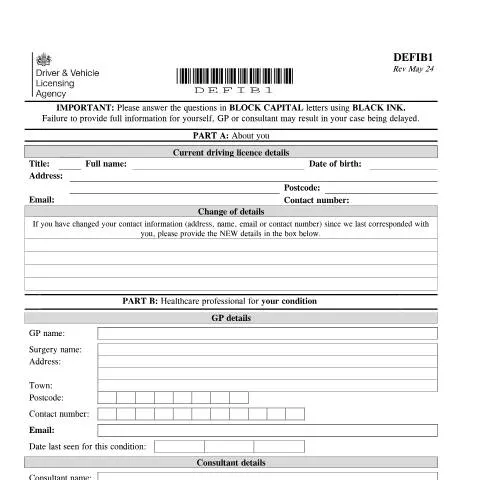
When an Implantable Cardioverter Defibrillator (ICD) becomes part of your medical reality, the intersection with your driving privileges creates a complex regulatory landscape that demands careful navigation. The DEFIB1 form represents the DVLA's systematic approach to balancing road safety with individual mobility rights for drivers who depend on these life-saving cardiac devices.
Unlike standard medical declarations that might accompany initial licence applications, this specialised document addresses the unique challenges posed by devices designed to deliver electrical shocks to correct dangerous heart rhythms. The form's significance extends beyond mere bureaucratic compliance—it establishes a formal framework for ongoing medical supervision that directly impacts your ability to maintain legal driving status.
The defibrillator's primary function of preventing sudden cardiac death creates a paradox for driving safety: whilst the device protects your life, the potential for unexpected shock delivery during driving presents risks that require careful medical assessment. This tension underpins every aspect of the DEFIB1 process, from initial completion through ongoing monitoring obligations.
Distinguishing Primary Prevention Cases from Reactive Interventions
The form's opening medical questionnaire immediately establishes a crucial distinction that determines your entire regulatory pathway. Primary prevention ICDs represent a fundamentally different risk profile compared to devices fitted following actual cardiac events. Understanding this distinction proves essential for accurate form completion and realistic expectations about outcomes.
Primary prevention installation occurs when you haven't yet experienced life-threatening arrhythmias but carry significant risk factors—perhaps inherited cardiac conditions like hypertrophic cardiomyopathy, or severely reduced heart function following previous heart attacks. These cases typically receive more favourable consideration because the device serves as insurance against future events rather than managing established dangerous rhythms.
Conversely, secondary prevention cases involve ICDs fitted after surviving cardiac arrest, sustained ventricular tachycardia, or other documented life-threatening arrhythmias. These applications face more rigorous scrutiny because the underlying condition has already demonstrated its potential to cause sudden incapacitation.
The form's structure reflects this medical reality through its conditional questioning. Primary prevention cases may progress directly to the declaration section if no shock therapy has occurred, whilst secondary prevention cases must navigate additional detailed questioning about device activation history and associated symptoms.
Decoding Shock Therapy Documentation Requirements
Question 2's focus on shock therapy delivery represents the form's most technically complex section, requiring precise understanding of different shock scenarios and their driving implications. The DVLA distinguishes between therapeutic shocks addressing genuine arrhythmias and inappropriate shocks caused by device malfunction or programming issues.
Therapeutic shocks responding to ventricular tachycardia or ventricular fibrillation carry the most serious implications for driving eligibility. These events demonstrate that your underlying cardiac condition remains active and capable of causing sudden incapacitation. The form specifically asks whether such shocks resulted in functional impairment, recognising that some patients experience minimal disruption whilst others may lose consciousness or suffer prolonged disorientation.
Inappropriate shocks present a different challenge entirely. These may result from atrial fibrillation being mistakenly interpreted as ventricular arrhythmia, electromagnetic interference, or programming errors. Whilst less medically serious than therapeutic shocks, inappropriate shocks can still cause driver distraction or panic sufficient to compromise road safety.
| Shock Type | Medical Significance | Typical DVLA Response | Required Follow-up |
|---|---|---|---|
| Therapeutic shock for VT/VF | High - active arrhythmia | Licence suspension pending review | Consultant report required |
| Inappropriate shock (AF) | Moderate - device issue | Case-by-case assessment | Programming adjustment evidence |
| Testing-related shock | Low - controlled environment | Usually no impact | Confirmation of testing context |
Healthcare Professional Coordination and Information Accuracy
Part B's detailed healthcare professional section reflects the DVLA's recognition that defibrillator cases require input from multiple medical specialists. The form demands comprehensive contact details for both your GP and consultant cardiologist or electrophysiologist, acknowledging that effective case assessment depends on accessing specialised expertise.
Your GP typically provides ongoing general cardiac care and medication management but may lack detailed knowledge of device programming or electrophysiology considerations. Conversely, your consultant possesses specialised knowledge about your specific ICD model, programming parameters, and device interrogation results, but might not be familiar with your broader health picture or driving-related symptoms.
The 'date last seen' requirements serve multiple purposes beyond simple record-keeping. Recent consultations suggest active ongoing care and current medical insight into your condition. Extended gaps between appointments might raise questions about medical supervision adequacy or condition stability. For complex cases, the DVLA may require evidence of regular device clinic attendance and recent interrogation results.
Accuracy in healthcare professional details cannot be overstated. Incorrect contact information delays case processing significantly, as medical secretaries and administrative staff must trace current details through NHS systems. Email addresses prove particularly important for expediting medical report requests, though many consultants still prefer formal written correspondence through established hospital channels.
Ongoing Compliance Obligations and Monitoring Framework
The declaration section establishes your formal agreement to ongoing obligations that extend well beyond initial form submission. These commitments create a binding framework for continued driving privilege that acknowledges the dynamic nature of cardiac conditions and device performance.
Regular ICD check-ups typically occur every six months, involving device interrogation to assess battery status, lead integrity, and any recorded events. These appointments provide crucial data about device function and your cardiac rhythm patterns. The DVLA may request interrogation reports during licence reviews, particularly if complications arise or renewal approaches.
The obligation to notify the DVLA of future shock therapy creates an ongoing reporting requirement that many drivers find challenging to navigate. Clinical testing shocks are explicitly excluded, but distinguishing between appropriate therapeutic shocks and inappropriate device activations may require medical interpretation. Some patients experience multiple shocks during single episodes, raising questions about whether each shock requires separate reporting or whether the episode should be treated as a single event.
Sudden attacks of disabling dizziness, fainting, or blackouts must be reported regardless of their relationship to device function. These symptoms might indicate progression of your underlying cardiac condition, medication side effects, or unrelated medical issues. However, their potential to cause driving impairment means the DVLA requires notification even when the connection to your ICD remains unclear.
Authorisation Protocols and Medical Confidentiality Balance
The applicant authorisation section navigates the complex intersection between medical confidentiality and driving safety assessment. By signing this section, you explicitly consent to medical information sharing that would otherwise breach doctor-patient confidentiality, whilst the DVLA commits to limiting information sharing to driving-relevant medical details.
The Secretary of State's Honorary Medical Advisory Panels represent the highest level of specialist input available to the DVLA. These panels include consultant cardiologists, electrophysiologists, and other specialists who volunteer their expertise to assist with complex cases. Panel involvement typically indicates that your case presents unusual medical or technical challenges requiring specialist interpretation beyond routine DVLA medical staff capabilities.
Electronic communication authorisation has become increasingly important for expediting case processing. Email correspondence allows rapid information exchange between the DVLA and medical professionals, potentially reducing case processing times from weeks to days. However, NHS email systems often impose security restrictions that may complicate electronic communication, particularly for sensitive medical information.
Text message authorisation primarily applies to appointment scheduling and basic case updates rather than detailed medical discussions. This communication method proves particularly valuable for coordinating medical examinations or practical driving assessments that might be required as part of your case evaluation.
Case Processing Pathways and Decision Frameworks
Understanding how the DVLA processes DEFIB1 submissions helps set realistic expectations about timescales and potential outcomes. Simple cases involving primary prevention ICDs with no shock history may receive relatively straightforward approval, often within 4-6 weeks of complete submission. Complex cases involving multiple shocks, associated symptoms, or unusual device configurations may require extensive medical consultation extending processing times to several months.
The DVLA's medical assessment framework for ICD cases reflects current European and American cardiac society guidelines whilst adapting to UK-specific driving conditions and legal requirements. Group 1 licences (cars and motorcycles) generally receive more lenient consideration than Group 2 licences (lorries and buses), reflecting the different safety implications of incapacitation in professional driving contexts.
Medical examination requirements vary significantly based on your specific circumstances. Some cases may proceed based solely on consultant reports and device interrogation data, whilst others require formal cardiac exercise testing, Holter monitoring, or specialised electrophysiology assessments. The DVLA may also require practical driving assessments if concerns exist about your ability to respond appropriately to device activation while driving.
Licence restrictions represent a common outcome for ICD cases, particularly during initial assessment periods. These might include annual review requirements, specific medical monitoring obligations, or restrictions on certain vehicle types or driving contexts. Such restrictions often prove temporary, with full licence restoration possible as your condition stabilises and device performance demonstrates reliability.
Navigating Complications and Appeal Procedures
When DEFIB1 cases encounter complications—whether through incomplete information, medical disagreements, or adverse initial decisions—understanding available recourse options becomes crucial for protecting your driving privileges. The most common complications arise from inadequate medical information, requiring additional specialist reports or updated device interrogation data.
Medical disagreements occasionally occur when your treating physicians disagree with DVLA medical advisers about driving fitness. These situations may require independent medical examination or second consultant opinions. The DVLA's medical standards reflect population-level safety considerations that sometimes conflict with individual clinical judgement, creating tension between personal medical care and regulatory requirements.
If your initial application receives refusal or unwelcome restrictions, formal appeal procedures provide structured review opportunities. Appeals typically require additional medical evidence addressing the specific concerns raised in the original decision. Success rates vary considerably depending on the strength of new medical evidence and whether your clinical situation has genuinely improved since initial assessment.
Incomplete form submission represents the most easily avoided complication, yet remains surprisingly common. Missing healthcare professional contact details, unsigned declarations, or incomplete medical questionnaires can delay processing by months rather than weeks. The DVLA's administrative systems struggle to process partial applications efficiently, often requiring complete resubmission rather than simple supplementation.
Emergency driving situations sometimes arise during case processing, particularly for individuals whose employment depends on driving capability. The DVLA may consider interim arrangements in exceptional circumstances, though these typically require compelling evidence of economic hardship combined with strong medical support for driving safety. Such arrangements remain exceptional and require careful documentation of risk mitigation measures.
Special Considerations for Different Medical Conditions
The DEFIB1 form accommodates a wide spectrum of medical conditions, each requiring specific documentation and consideration. Understanding how your particular condition fits within the DVLA's assessment framework can help ensure your application is processed efficiently and accurately.
Cardiovascular Conditions
Heart-related conditions represent one of the most common categories reported through form DEFIB1. If you've experienced a heart attack (myocardial infarction), the DVLA typically requires a minimum period before you can resume driving – usually four weeks for Group 1 licences (cars and motorcycles) and six weeks for Group 2 licences (lorries and buses), provided there are no complications. However, these timeframes can vary significantly based on factors such as the extent of heart muscle damage, your ejection fraction results, and whether you've undergone procedures like angioplasty or bypass surgery.
For those with heart rhythm disorders, including atrial fibrillation or ventricular arrhythmias, the assessment becomes more nuanced. The DVLA will want to know whether your condition is controlled with medication, if you've experienced any episodes of sudden incapacitation, and whether you have an implanted device such as a pacemaker or defibrillator. If you have an implantable cardioverter defibrillator (ICD), you'll typically need to stop driving for six months after implantation, though this may be reduced to one month if the device was fitted for primary prevention rather than following a life-threatening arrhythmia.
Neurological Conditions
Neurological conditions often present complex scenarios for driving eligibility. Epilepsy cases require particularly detailed reporting, as the DVLA needs to establish seizure patterns, medication compliance, and seizure-free periods. For first unprovoked seizures, you'll typically need to refrain from driving for six months, whilst established epilepsy may require a seizure-free period of 12 months. However, if you experience only sleep seizures, different criteria may apply, potentially allowing shorter restriction periods.
Conditions like multiple sclerosis, Parkinson's disease, or stroke survivors each have their own specific considerations. The DVLA will assess not just the diagnosis itself, but how the condition affects your functional abilities – your vision, coordination, reaction times, and cognitive function. For stroke patients, the standard restriction period is typically one month, but this can extend significantly if there are residual effects affecting safe driving capability.
Mental Health Conditions
Mental health conditions requiring DEFIB1 reporting include severe depression, bipolar disorder, schizophrenia, and other psychotic disorders, particularly when they involve periods of acute illness or hospitalisation. The DVLA recognises that mental health conditions can fluctuate, and their assessment focuses on your current stability and the likelihood of sudden incapacitation or impaired judgement whilst driving.
If you've been hospitalised for a mental health condition, you'll typically need to demonstrate a period of stability and wellness before resuming driving. This might involve providing evidence from your consultant psychiatrist or mental health team about your current treatment regime, medication compliance, and functional recovery. The DVLA may also consider factors such as insight into your condition and your ability to recognise early warning signs of relapse.
Understanding DVLA Decision-Making and Medical Panels
The DVLA's medical assessment process operates through a structured system designed to balance road safety with individual mobility rights. Understanding how decisions are reached can help you navigate the process more effectively and know what to expect at each stage.
The Medical Advisory Panel System
Complex cases that cannot be resolved through standard medical guidelines are referred to specialist medical panels. These panels consist of consultant specialists in relevant fields who review your case based on the medical evidence provided. For instance, cardiac cases might be reviewed by consultant cardiologists, whilst neurological conditions would be assessed by consultant neurologists.
The panels don't examine you directly but work from the medical reports, test results, and specialist assessments you've provided. This is why the quality and completeness of your medical documentation is crucial. The panels meet regularly – typically monthly – but the scheduling means there can be additional waiting time if your case requires panel review. They may request additional information or specialist reports if they feel the existing evidence is insufficient to make a determination.
Licence Conditions and Restrictions
Rather than simply approving or refusing driving licences, the DVLA can impose various conditions or restrictions tailored to your specific circumstances. These might include geographical restrictions (such as limiting driving to a certain radius from your home), time-based restrictions (daylight driving only), or vehicle-specific limitations (automatic transmission only, or vehicles adapted with specific controls).
Some conditions relate to ongoing medical monitoring. For example, you might be granted a licence valid for one, two, or three years instead of the standard period, requiring regular medical reviews. Diabetic drivers on insulin often receive shorter-duration licences with requirements for regular blood glucose monitoring and reporting. The DVLA might also require you to notify them immediately if your condition deteriorates or if new symptoms develop.
The Appeals Process
If your licence is refused or restricted in ways you believe are inappropriate, you have the right to appeal. The first step is usually requesting an independent review by a different medical officer within the DVLA. This review looks at the same evidence but with fresh eyes, and occasionally reaches different conclusions.
If the internal review doesn't resolve matters satisfactorily, you can appeal to the Magistrates' Court. This is a more formal legal process where you can present additional evidence, call expert witnesses, and challenge the DVLA's decision. However, court appeals can be time-consuming and expensive, and success rates vary significantly depending on the strength of your medical evidence and the specific circumstances of your case.
Ongoing Obligations and Monitoring Requirements
Submitting form DEFIB1 often marks the beginning rather than the end of your interaction with the DVLA's medical team. Understanding your ongoing obligations can help you maintain your driving privileges whilst ensuring you remain compliant with legal requirements.
Continuous Disclosure Obligations
Your duty to report medical conditions doesn't end once you've submitted the initial DEFIB1 form. You're legally required to notify the DVLA of any significant changes in your condition, new diagnoses, changes in medication that might affect your driving, or any incidents that might indicate your condition is worsening. This includes situations like increased seizure frequency in epilepsy, new cardiac symptoms, or changes in vision.
The definition of "significant change" can be subjective, but generally includes any alteration that might affect your ability to drive safely. For example, if you're diabetic and begin experiencing hypoglycemic episodes, this would typically require immediate notification. Similarly, if you develop side effects from new medications that cause drowsiness or affect your concentration, this should be reported promptly.
Failure to report significant changes isn't just a breach of your licence conditions – it can also affect your insurance coverage and potentially result in criminal charges if you're involved in an accident and it's discovered that you failed to declare a relevant medical condition.
Regular Medical Reviews and Re-assessments
Many drivers with medical conditions receive licences subject to regular review periods. These reviews might occur annually, biennially, or at three-year intervals, depending on your condition and its stability. The DVLA will typically write to you before your review is due, requesting updated medical information.
These reviews often require fresh medical reports from your treating physicians, updated test results, or completion of additional medical questionnaires. The requirements can vary based on how your condition has progressed. For instance, if you've remained stable on the same treatment for several years, the review might be relatively straightforward. However, if there have been complications, hospitalisations, or treatment changes, more comprehensive assessment might be required.
Some conditions require specific monitoring protocols. Diabetic drivers might need to demonstrate regular blood glucose monitoring and maintain logbooks of their readings. Cardiac patients might need periodic exercise tolerance tests or echocardiograms. Understanding what will be required for your specific condition can help you maintain appropriate medical follow-up and ensure you have the necessary documentation when reviews are due.
Professional Driving Considerations
If you hold a Group 2 licence (for lorries, buses, or other commercial vehicles), the medical standards are significantly more stringent than for ordinary car drivers. Many conditions that might be acceptable for private driving could disqualify you from professional driving, or require more frequent reviews and stricter monitoring.
Professional drivers often face additional requirements such as regular medical examinations by DVLA-approved doctors, more frequent licence renewals, and stricter criteria for conditions like diabetes, heart disease, or sleep disorders. The economic implications of losing professional driving privileges can be severe, making it particularly important to understand the specific requirements and maintain appropriate medical care.
Some drivers find it beneficial to maintain regular contact with occupational health services or specialist clinics familiar with DVLA requirements, particularly if their condition is complex or if they're approaching the borderline criteria for professional driving standards.