When Road Safety Meets Medical Responsibility: The Critical Role of Form B1
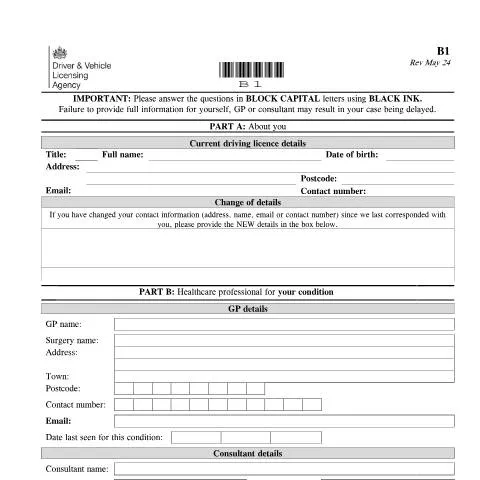
A sudden seizure behind the wheel. A moment of double vision on a busy motorway. A neurological episode that leaves a driver momentarily unconscious. These scenarios highlight why the Driver and Vehicle Licensing Agency requires certain medical conditions to be formally reported through specific documentation. Form B1, officially titled "Report your medical condition," serves as the primary mechanism for drivers to declare neurological conditions that could potentially impact their ability to operate a vehicle safely.
This six-page document represents more than bureaucratic procedure—it embodies the delicate balance between individual mobility rights and collective road safety. When drivers experience conditions such as epilepsy, brain injuries, or other neurological disorders, Form B1 becomes their pathway to maintaining legal driving privileges whilst ensuring appropriate medical oversight.
The Legal Framework Behind Medical Reporting Requirements
The obligation to report medical conditions stems from the Road Traffic Act 1988 and subsequent regulations that place a statutory duty on licence holders to inform the DVLA of any condition that might affect safe driving. This isn't merely a recommendation—failure to report relevant medical conditions constitutes a criminal offence punishable by fines up to £1,000 and potential prosecution if an accident occurs.
The Data Protection Act 2018 and UK GDPR govern how the DVLA processes the sensitive medical information collected through Form B1. This means drivers retain specific rights regarding their data, including the ability to request copies of medical assessments and challenge decisions based on their submissions.
Form B1 specifically addresses neurological conditions, distinguishing it from other medical reporting forms used by the DVLA. The agency maintains separate documentation for cardiac conditions, diabetes, visual impairments, and other medical categories, reflecting the specialised nature of different health assessments required for driving safety evaluations.
Statutory Obligations and Penalties
Drivers must report relevant conditions immediately upon diagnosis or when symptoms develop that could affect driving ability. The law doesn't provide grace periods or allow drivers to make personal judgements about whether their condition impacts driving safety—the DVLA and appointed medical advisers make these determinations based on standardised criteria.
Identifying Who Must Complete Form B1
The neurological focus of Form B1 means it primarily applies to drivers experiencing specific categories of medical conditions. Understanding whether your circumstances require completion involves recognising both obvious and subtle indicators that trigger reporting obligations.
Primary neurological conditions requiring Form B1 completion include diagnosed epilepsy, any seizure disorder regardless of frequency, brain haemorrhages, severe head injuries requiring hospitalisation, brain tumours, and conditions involving altered consciousness or blackouts of unknown origin.
Less obvious triggers include medication-induced seizures, provoked seizures resulting from specific circumstances, and neurological symptoms that might seem minor but could affect driving concentration or reaction times. Even single seizure events require reporting, as the DVLA must assess seizure risk patterns and potential recurrence.
Special Circumstances and Edge Cases
Certain scenarios create reporting complexities. Drivers who experience seizures exclusively during sleep face different assessment criteria than those with daytime episodes. The form specifically distinguishes between awake and asleep seizures because sleep-only epilepsy typically carries different driving restrictions.
Medication changes present another nuanced area. If seizures occur due to prescribed medication adjustments—either reductions, switches, or complete withdrawal—these circumstances receive special consideration in licensing decisions. The form captures detailed timelines around medication changes to help medical assessors understand seizure contexts.
| Condition Type | Immediate Reporting Required | Typical Assessment Period |
|---|---|---|
| First seizure (any type) | Yes | 6 months minimum |
| Diagnosed epilepsy | Yes | 12 months seizure-free typically required |
| Brain haemorrhage | Yes | Variable based on severity and treatment |
| Sleep-only seizures | Yes | Special criteria applied |
Navigating the Medical Information Requirements
Form B1's medical questionnaire demands precise, comprehensive information that extends far beyond basic condition descriptions. The document requires detailed chronological data, specific medication histories, and nuanced descriptions of symptoms that might seem medically insignificant but prove crucial for driving safety assessments.
Part A establishes driver identification and contact information, but importantly includes provisions for address or name changes since previous DVLA correspondence. Maintaining current contact details proves critical as the DVLA may need to request additional information or arrange independent medical examinations during assessment processes.
Part B requires comprehensive healthcare professional details for both GP and consultant care. The form demands specific contact information, consultation dates, and treatment timelines. Incomplete healthcare provider information frequently delays processing, as the DVLA routinely contacts medical professionals to verify submitted information and request additional clinical details.
Detailed Medical History Documentation
The neurological questionnaire section requires meticulous attention to dates and circumstances. Question sequences about seizure types, frequencies, and circumstances demand precision because assessment criteria often depend on specific timeframes between episodes or particular seizure characteristics.
For seizure-related conditions, the form distinguishes between different episode types and their potential impact on driving ability. Auras, absences, and blank spells might seem minor but require reporting because they can affect driving concentration and reaction times. The form specifically asks whether seizures would cause difficulty controlling a vehicle, recognising that some neurological episodes might not prevent driving while others clearly would.
Medication sections require complete drug names, precise start and end dates, and assessments of side effects that might impact driving ability. Drowsiness and confusion represent particular concerns, as these effects can impair driving even when underlying conditions remain well-controlled.
Processing Pathways and Assessment Procedures
Once submitted, Form B1 enters a structured assessment process managed by the DVLA's medical advisory team. Understanding this process helps drivers anticipate timelines, potential requests for additional information, and likely outcomes based on their specific circumstances.
Initial processing involves administrative checks to ensure form completion and validate provided healthcare professional details. Incomplete submissions return to applicants with specific requests for missing information, potentially adding weeks to assessment timelines.
Medical review stages typically involve correspondence with reported healthcare providers to verify submitted information and request detailed clinical notes. The DVLA may seek hospital records, specialist reports, and ongoing treatment plans to build comprehensive medical pictures for licensing decisions.
Independent Medical Examinations
Complex cases or unclear medical histories may trigger requirements for independent medical examinations. These assessments, conducted by DVLA-appointed specialists, focus specifically on driving-related medical fitness rather than general health management. Drivers receive advance notice of examination requirements and detailed instructions about attendance procedures.
Examination outcomes directly influence licensing decisions, and drivers have rights to receive copies of medical reports used in their assessments. The process maintains transparency whilst ensuring thorough evaluation of driving safety implications.
Submission Methods and Administrative Considerations
Form B1 submission requires careful attention to administrative details that can significantly impact processing times and outcomes. The DVLA accepts completed forms through postal submission to their medical licensing department in Swansea, with specific address requirements detailed in form instructions.
Supporting documentation proves crucial for comprehensive assessments. Hospital notes, consultant reports, and recent medical correspondence should accompany Form B1 submissions when available. Original documents should never be sent—certified copies or clear photocopies ensure important medical records remain safely with healthcare providers whilst providing necessary information for DVLA assessments.
The form's emphasis on block capital letters using black ink reflects practical scanning and processing requirements. Handwriting clarity directly impacts processing efficiency, as unclear submissions may require additional correspondence to clarify critical medical information.
Timeline Expectations and Follow-Up Procedures
Processing times vary significantly based on medical complexity and the need for additional information gathering. Straightforward cases with complete documentation might resolve within 4-6 weeks, whilst complex neurological conditions requiring specialist consultation can extend processing to 12 weeks or longer.
Drivers should maintain detailed records of submission dates and any subsequent correspondence. The DVLA provides reference numbers for tracking purposes, and drivers can contact medical licensing departments for status updates when processing extends beyond expected timeframes.
Understanding Licensing Outcomes and Ongoing Obligations
Form B1 assessments result in various licensing outcomes that reflect the spectrum of neurological conditions and their driving safety implications. Understanding potential decisions helps drivers prepare for different scenarios and plan accordingly for their mobility needs.
Licence continuation represents the most favourable outcome, typically granted when medical evidence demonstrates well-controlled conditions with minimal driving safety risks. Even continued licences may include specific conditions such as periodic medical reviews or restrictions on licence duration.
Temporary licence withdrawal occurs when conditions require stabilisation periods or treatment adjustments before safe driving can resume. These decisions often include clear timelines for reassessment and specific criteria that must be met for licence restoration.
More restrictive outcomes might involve permanent licence revocation for conditions deemed incompatible with safe driving, though such decisions include appeal rights and potential reassessment opportunities if medical circumstances change significantly.
Ongoing Monitoring and Reporting Requirements
Successful Form B1 assessments often establish ongoing monitoring relationships between drivers and the DVLA medical department. Drivers typically receive specific instructions about future reporting obligations, including requirements to notify the agency of condition changes, medication adjustments, or new seizure episodes.
The declaration section within Form B1 commits drivers to following medical advice, attending monitoring appointments, and informing the DVLA of further attacks or significant condition changes. These commitments become legally binding aspects of continued licensing privileges.
Practical Strategies for Successful Form Completion
Effective Form B1 completion requires systematic preparation and attention to detail that extends beyond simple form-filling. Successful submissions demonstrate clear understanding of medical histories, comprehensive documentation gathering, and strategic presentation of information that supports continued driving privileges whilst maintaining complete honesty about medical circumstances.
Before beginning form completion, drivers should gather comprehensive medical documentation including GP records, hospital discharge summaries, consultant letters, and medication lists with precise dates. This preparation ensures accurate information entry and reduces the likelihood of processing delays due to incomplete or inconsistent details.
Healthcare provider coordination proves invaluable during form completion. Discussing Form B1 requirements with treating physicians helps ensure accurate medical information whilst potentially identifying supporting documentation that strengthens licensing applications. Medical professionals familiar with DVLA assessment criteria can provide valuable guidance about information presentation and emphasis.
The form's complexity around seizure chronology and circumstances requires particular attention. Creating detailed timelines before form completion helps ensure accuracy and completeness, particularly for questions requiring specific dates of episodes, medication changes, and medical consultations.
Drivers should maintain copies of completed forms and all supporting documentation submitted to the DVLA. These records prove essential for future correspondence, appeal processes if necessary, and subsequent medical reviews that may be required for continued licensing.
Medical Evidence Requirements and Supporting Documentation
The strength of your Form B1 application largely depends on the quality and comprehensiveness of medical evidence you provide. The DWP assessment process relies heavily on objective medical documentation to evaluate the impact of your condition on daily living and mobility.
Essential Medical Documents
Your GP summary or medical records form the foundation of your evidence base. Request a comprehensive summary covering the past two years, ensuring it includes diagnosis dates, treatment history, medication changes, and any referrals to specialists. Hospital discharge summaries carry significant weight, particularly if they detail functional limitations or recommendations for ongoing support.
Consultant letters and specialist reports provide crucial expert opinion on your condition's prognosis and limitations. These should ideally be recent (within 12 months) and specifically address how your condition affects your ability to perform daily tasks. Occupational therapy assessments are particularly valuable as they directly evaluate functional capacity in real-world scenarios.
Prescription Records and Treatment History
Maintain detailed records of all medications, including dosages, frequency, and any side effects that impact your daily functioning. The DWP assessors pay close attention to medication regimens as indicators of condition severity. Include details of any medication trials that proved unsuccessful, as this demonstrates the complexity of managing your condition.
Document all treatments attempted, including physiotherapy sessions, psychological interventions, or alternative therapies. Even unsuccessful treatments provide valuable evidence of your condition's persistence and your efforts to manage symptoms.
Photographic and Video Evidence
Where appropriate and with medical supervision, photographic evidence of visible symptoms can strengthen your application. This might include skin conditions, swelling, mobility aids in use, or adaptive equipment in your home environment. Ensure any photographs are dated and include a brief explanation of what they demonstrate.
Video evidence, while less commonly used, can be powerful for conditions affecting mobility or coordination. A brief recording showing difficulties with walking, climbing stairs, or performing fine motor tasks can provide assessors with clear insight into your limitations.
Understanding the Assessment Process and Timelines
The Form B1 assessment process involves multiple stages, each with specific timelines and requirements. Understanding these stages helps you prepare effectively and know what to expect throughout the process.
Initial Processing and Acknowledgement
Once submitted, your Form B1 typically receives acknowledgement within 2-3 working days via your chosen contact method. The DWP assigns a unique reference number that you should quote in all future correspondence. Initial processing involves administrative checks to ensure all required sections are complete and supporting evidence is attached.
During this phase, the DWP may request additional information if your form appears incomplete or if certain medical evidence is unclear. Respond promptly to such requests, as delays can extend the overall assessment timeline significantly.
Medical Assessment Scheduling
Depending on your condition and the evidence provided, you may be invited for a face-to-face assessment, telephone consultation, or paper-based review. The DWP aims to schedule assessments within 13 weeks of receiving your complete application, though this can vary based on local capacity and the complexity of your case.
Face-to-face assessments typically last 60-90 minutes and take place at designated assessment centres. You'll receive at least 7 days' notice, along with details of the location, parking arrangements, and accessibility features. If you require reasonable adjustments for the assessment itself, inform the DWP immediately upon receiving your appointment letter.
Decision Timeline and Communication
Following assessment, the DWP aims to make decisions within 8 weeks, though complex cases may take longer. You'll receive written notification of the decision, including detailed reasoning if your application is unsuccessful. This decision letter is crucial for understanding any potential appeal grounds.
If successful, your first payment typically arrives within 4-6 weeks of the decision date. The effective date may be backdated to your initial application date, depending on when you first became eligible and submitted your claim.
Managing Condition Changes and Ongoing Obligations
Your responsibilities don't end once Form B1 is approved. The DWP requires ongoing reporting of significant changes that might affect your entitlement, and understanding these obligations prevents potential overpayments or benefit suspensions.
Reportable Changes in Medical Condition
You must report any substantial improvement in your condition within one month of the change occurring. This includes successful treatments that significantly reduce your limitations, surgical interventions that restore function, or recovery periods that extend beyond expected timeframes. The DWP defines 'substantial improvement' as changes that would affect your ability to score points under the assessment criteria.
Conversely, you should also report significant deterioration in your condition, as this might entitle you to a higher rate of benefit. New diagnoses, additional conditions, or complications arising from existing conditions all warrant reporting. The DWP can conduct reassessments based on reported changes, potentially adjusting your award accordingly.
Planned Review Periods
Most PIP awards include planned review dates, typically ranging from 18 months to 10 years depending on your condition's expected progression. You'll receive a review form (typically AR1) approximately 4-6 months before your review date, requiring updated information about your condition and current limitations.
Prepare for reviews by maintaining ongoing medical records and noting any changes in your daily living or mobility needs. The review process follows similar procedures to your initial application, potentially including further assessments if significant changes are reported or if your condition's progression differs from original expectations.
Light Touch Reviews and Ongoing Awards
Some conditions qualify for 'light touch' reviews or ongoing awards with no planned end date. These typically apply to progressive conditions with no prospect of improvement, such as certain neurological conditions or severe learning disabilities. However, even ongoing awards remain subject to review if circumstances change or if the DWP identifies discrepancies in reported information.
Maintain accurate records even with ongoing awards, as the DWP retains the right to conduct unscheduled reviews if new information suggests your circumstances may have changed significantly.