Understanding the Seed Crop Inspection Reports: A Vital Process for Growers
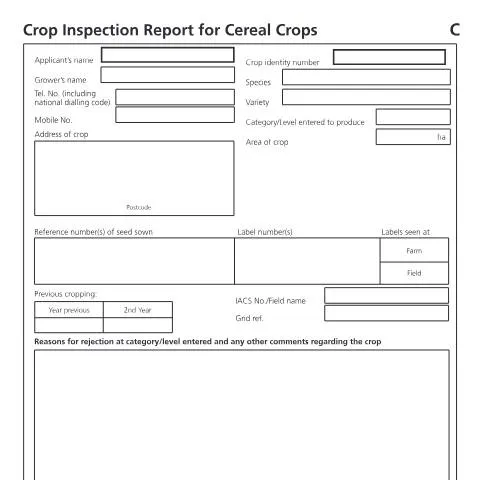
For anyone involved in agriculture, particularly seed production, the Seed Crop Inspection Report represents a crucial interaction with the Animal and Plant Health Agency (APHA). This report is not merely a formality; it serves as a key piece of documentation that ensures seed quality and compliance with regulations crucial for market access and crop health.
The Role of Inspection Reports in Seed Quality Assurance
In the UK, seed growers must ensure their crops meet specific criteria outlined in the Seed Marketing Regulations. These regulations are designed to protect the agricultural sector from diseases and pests that can arise from poor-quality seeds. Inspections are conducted by licensed inspectors who assess various factors such as the health of the crops, the presence of impurities, and the overall compliance with established standards.
The inspection report serves as an official record of these assessments, providing both the grower and relevant authorities with essential data. The report includes:
- Crop identity and area
- Categories of seeds inspected
- Inspector's findings regarding the condition of the crop
- Details on any varietal impurities present
- Inspector's signature and license number
Who Submits the Seed Crop Inspection Report?
The responsibility for submitting the Seed Crop Inspection Report primarily lies with the grower. It is vital for those engaged in the production of seed crops to understand that they must coordinate inspections prior to marketing their seeds, ensuring compliance with the necessary regulations. Typically, the grower will need to provide the following information:
- Applicant’s name
- Grower’s details including contact numbers and address
- Field identification and previous cropping details
- Reference numbers of the seeds sown
Growers should be proactive in arranging inspections, as failing to do so may lead to rejection or delays in marketing their seed crops.
Completing the Seed Crop Inspection Report
Filling out the Seed Crop Inspection Report accurately is crucial for seamless processing. Here's how to approach each section:
Essential Sections of the Report
- Grower Information: Ensure all personal and contact details are accurate to avoid communication issues.
- Crop Details: Clearly identify the crop by providing the species, variety, and the area cultivated.
- Inspection Findings: The inspector will provide comments regarding the crop. It is vital to note any reasons for rejection or concerns raised.
- Quadrat Counts: Accurately record counts for varietal impurities and crop conditions, ensuring measurements are taken precisely.
- Signature: The inspector must sign and date the report, confirming the findings documented.
Submission and Follow-Up: Navigating the Process
Once the inspection report is complete, it must be submitted to the appropriate authorities. Growers should be aware of the following submission guidelines:
Submission Steps
- Ensure all sections of the report are filled out completely and accurately.
- Submit the report to the APHA or relevant body before the marketing deadline for your seeds.
- Keep a copy of the submitted report for your records.
After submission, it is advisable for growers to follow up with the APHA to confirm receipt and check on the status of their report. This can be particularly important in the busy planting seasons when time is of the essence.
Consequences of Non-compliance with Seed Marketing Regulations
Understanding the implications of non-compliance is essential for all growers. Not adhering to the Seed Marketing Regulations can have serious consequences:
- Market Access Issues: Seeds that do not meet the required standards may be barred from entering the market.
- Financial Penalties: Growers could face fines or additional costs associated with re-inspections.
- Reputation Damage: Continuous failure to comply can harm a grower’s reputation within the agricultural community.
Therefore, it is imperative that growers remain diligent in their practices and ensure all inspections are carried out timely and accurately.
Special Considerations for Foreign Growers
For growers based outside of the UK, navigating the Seed Crop Inspection process can entail additional complexities. International growers looking to enter the UK seed market should be particularly mindful of the following:
Regulatory Compliance for Non-UK Growers
- Ensure that you are familiar with UK-specific seed marketing regulations.
- Coordinate with UK-based partners who can assist with inspections and compliance measures.
- Prepare for potential language barriers and regulatory nuances that may differ from your home country.
Engaging with legal experts or agricultural consultants who specialize in UK regulations can provide invaluable guidance and help streamline the inspection process.
What to Do in Case of Rejection or Missing Information?
Receiving a rejection on your Seed Crop Inspection Report can be disheartening, but it is not the end of the road. Growers should follow a clear process to address these issues:
Steps to Take After Rejection
- Review the Feedback: Carefully examine the inspector's comments regarding the reasons for rejection.
- Rectify the Issues: Make necessary adjustments to the crop or provide additional documentation as requested.
- Request a Re-inspection: Once issues are addressed, contact the APHA to arrange for a follow-up inspection.
In cases where information may be missing, promptly contact the inspector or the APHA to clarify the requirements and provide the necessary additional data. Timeliness is key in these situations to avoid further delays in the approval process.
Understanding the Historical Context of Seed Crop Inspection Regulations
The regulations surrounding seed crop inspections have evolved significantly over the years. Understanding the historical background provides clarity on why such stringent measures are in place today:
A Brief History
Throughout the years, the UK has faced various agricultural challenges, including pest infestations and plant diseases that have threatened crop yields. The establishment of the Seed Marketing Regulations was a proactive measure to safeguard the agricultural industry. These regulations assure that seeds sold within the UK are of the highest quality, free from diseases, and appropriate for planting.
This historical context emphasizes the importance of adhering to the regulations and underscores the role of the Seed Crop Inspection Report in maintaining standards across the agricultural sector.
Distinguishing Seed Crop Inspection Reports from Similar Documents
Growers may encounter various forms and reports related to agricultural compliance, but it is crucial to distinguish the Seed Crop Inspection Report from other documentation:
| Document | Primary Purpose | Submitting Authority |
|---|---|---|
| Seed Crop Inspection Report | Assess compliance with seed quality standards | Animal and Plant Health Agency |
| General Crop Inspection Report | Assess overall crop health for various purposes | Local agricultural authority |
| Pest Control Treatment Records | Document pest control measures taken | Local agricultural authority |
Understanding these distinctions helps growers navigate the agricultural administrative landscape effectively, ensuring that they submit the correct documentation for their specific needs.
Final Thoughts: The Importance of Diligence in Seed Crop Inspections
Engaging in the seed crop inspection process requires diligence and attention to detail. The Seed Crop Inspection Report not only serves as a vital tool for compliance but also plays an essential role in ensuring the overall health and quality of agricultural outputs. By understanding the nuances of the inspection process, growers can better prepare themselves, protect their investments, and contribute to the agricultural sector's sustainability.
Understanding the Seed Crop Inspection Process
The Seed Crop Inspection process in the UK is a crucial aspect of ensuring that seeds comply with the necessary quality standards before they are marketed. This process is overseen by several entities, such as the Animal and Plant Health Agency (APHA) and various seed certification bodies. It involves both field inspections and laboratory tests to ascertain the seed's quality and health status.
During the growing season, inspectors conduct field visits to assess the condition of the crops. These visits typically occur at two key stages: during flowering and at maturity. The inspectors evaluate factors such as varietal purity, weed presence, and disease incidence.
Field inspections are often conducted in accordance with the protocols outlined in the EU Seed Marketing Directive, even post-Brexit, as these standards are significant for maintaining seed quality. Inspectors will make detailed observations and record their findings in seed crop inspection reports, which include specific information on the variety, the lot number, and any deviations from the required standards.
These inspection reports are vital, as they form the basis for seed certification and the subsequent sale of the seeds. If a seed lot passes the inspection, it can be certified and sold as high-quality seed. Conversely, lots that do not meet the standards may be rejected, which helps protect the integrity of the agricultural supply chain.
What to Do if You Receive a Non-Conformance Report
Receiving a non-conformance report following a seed crop inspection can be concerning for growers and seed producers. This report indicates that certain standards were not met, and it is imperative to address the issues raised promptly to avoid potential financial losses or market restrictions.
First and foremost, it is essential to thoroughly review the non-conformance report. The report will detail the specific areas of concern, such as issues related to seed purity or the presence of pest infestations. Understanding these factors can help you develop a clear action plan.
Once you have identified the issues, reach out to your local inspector or the relevant certification body for clarification. They may provide insights into the inspection process and specific reasons behind the non-compliance. This dialogue is crucial, as it can help you better understand the standards and improve future crops.
After consulting with authorities, consider implementing corrective measures based on the feedback. This might include improving crop management practices, ensuring better pest control, or sourcing more reliable seed stock for future planting seasons. Furthermore, maintaining thorough records of all actions taken will be beneficial for any future inspections or audits.
Lastly, if you believe the non-conformance report was issued in error, you have the right to appeal the decision. This process typically involves submitting a formal appeal to the certification body, along with any supporting evidence that demonstrates compliance with the required standards.
The Economic Impact of Seed Crop Quality on Agriculture
Seed crop quality has far-reaching implications for the agricultural sector in the UK, influencing everything from yield outcomes to economic viability for farmers. High-quality seed ensures that crops are resilient against disease and environmental stressors, which in turn affects overall productivity and profitability.
Farmers relying on certified seed crops typically experience higher yields compared to those using non-certified seeds. These higher yields are essential for meeting the growing demands of a global population. The Royal Agricultural Society of England (RASE) has noted that quality seed can lead to a 20-30% increase in yields for specific crops, which is particularly significant for staple foods.
Moreover, seed crop quality plays a role in international trade. The UK's reputation for high-quality agricultural products can lead to increased export opportunities. Countries importing seeds look for compliance with international standards, and a robust seed certification process bolsters the UK's competitive edge. For example, seed producers that can demonstrate their adherence to rigorous inspection and certification processes are often preferred by buyers overseas.
Conversely, poor seed quality can have severe economic consequences. Seed failures can lead to reduced crop yields, affecting not only individual farmers but also the broader agricultural economy. This can result in increased prices for consumers, as supply decreases in response to lower production levels. Additionally, if seed crops frequently fail to meet certification standards, it can damage a grower's reputation, making it more difficult to gain market access or secure financing for future operations.
As such, the economic implications of seed crop quality underscore the importance of regular inspections and adherence to certification protocols. Farmers and seed producers must remain vigilant in maintaining seed quality to ensure their agricultural practices are sustainable and economically viable in the long term.