When Zoo Licensing Meets Reality: Understanding the Pre-Inspection Audit Process
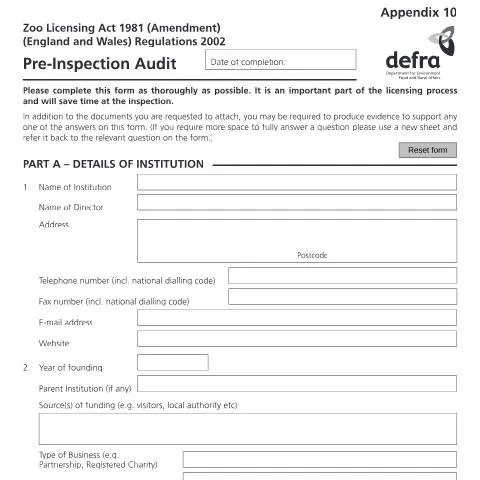
Every zoo in England and Wales operates under a complex web of regulations that go far beyond simply keeping animals in enclosures. The Zoo Licensing Act 1981 established a rigorous framework requiring all zoos to undergo regular inspections to maintain their operating licences. At the heart of this process lies a detailed pre-inspection audit form, known as ZOO 1, which serves as the foundation for every licensing assessment conducted by the Animal and Plant Health Agency (APHA).
This comprehensive document isn't merely a bureaucratic formality—it's a strategic tool that can significantly influence both the inspection timeline and outcome. Zoos that approach this form with thoroughness and precision often find their licensing process smoother, whilst those who treat it as an afterthought may face extended inspections, additional site visits, or even compliance notices.
Decoding the Four-Part Architecture of Zoo Assessment
The ZOO 1 form follows a methodical structure designed to evaluate every aspect of zoo operations through four distinct sections, each targeting specific regulatory requirements under the Zoo Licensing Act.
Part A: Institutional Foundation and Governance
The opening section establishes the zoo's legal and operational framework. Beyond basic contact details, this section requires detailed information about funding sources, which directly impacts APHA's assessment of financial stability. Zoos must specify whether they operate as registered charities, limited companies, or partnerships, as each structure carries different regulatory obligations.
The requirement for a development plan isn't optional despite appearing as a yes/no question. Zoos answering 'no' typically face immediate scrutiny during inspection, as development planning demonstrates forward-thinking management essential for animal welfare standards. Similarly, the mission statement attachment serves as evidence of institutional purpose alignment with conservation objectives mandated under current legislation.
Staff qualification listings demand particular attention to detail. APHA inspectors cross-reference these credentials against actual responsibilities during site visits, making accuracy crucial. The organisational chart must reflect current reporting structures, not aspirational hierarchies, as inspectors will verify management chains through direct staff interviews.
Part B: Animal Records and Data Management Systems
Animal record-keeping represents one of the most technically complex aspects of zoo licensing. The form's emphasis on ISIS membership (International Species Information System) reflects modern conservation requirements, where zoos participate in global breeding programmes and genetic management initiatives.
The various database systems mentioned—ARKS, SPARKS, REGASP, and MEDARKS—aren't merely software options but represent different approaches to species management. ARKS handles single-species records, SPARKS manages breeding programmes, REGASP focuses on regional collections, and MEDARKS addresses medical data. Zoos using multiple systems must demonstrate seamless data integration.
Animal marking methods require species-specific justification. Transponders work effectively for mammals but prove problematic for certain reptiles. Tattoos remain standard for primates but raise welfare concerns for some species. Ring systems suit birds but require regular monitoring for growth-related complications. Each choice demands veterinary input and welfare protocol documentation.
Part C: Veterinary Care and Husbandry Standards
The veterinary programme section often determines inspection outcomes more than any other factor. APHA places particular emphasis on Continuing Professional Development (CPD) relevant to zoo collections, as general veterinary training doesn't automatically qualify practitioners for exotic species care.
Post-mortem examination policies reveal institutional attitudes toward animal welfare and scientific rigour. Zoos citing cost concerns for avoiding post-mortems typically face additional scrutiny, whilst those demonstrating systematic pathological review often receive favourable assessment scores.
The Balai Directive approval question addresses European Union animal movement regulations, crucial for zoos participating in breeding programmes. Even post-Brexit, many UK zoos maintain these approvals for international collaboration, making this section relevant for establishments with conservation ambitions.
Part D: Health and Safety Risk Assessment Framework
Risk assessment documentation requirements extend beyond simple policy statements to demand evidence-based protocols for specific scenarios. APHA inspectors expect to see detailed procedures covering emergency situations, seasonal variations, and species-specific risks.
Strategic Timing: When and How to Submit Your Pre-Inspection Audit
The pre-inspection audit timing significantly impacts the overall licensing process efficiency. APHA typically schedules inspections within 6-8 weeks of receiving completed documentation, though complex applications may require longer processing periods.
| Submission Timeline | Inspection Scheduling | Potential Outcomes |
|---|---|---|
| 8+ weeks before licence expiry | Standard scheduling | Smooth renewal process |
| 4-8 weeks before expiry | Priority scheduling | Possible rushed assessment |
| Less than 4 weeks | Emergency procedures | Temporary licences may apply |
Zoos operating under existing licences must submit renewal applications at least three months before expiry dates to avoid operational disruptions. New establishments require submissions alongside initial licence applications, with APHA conducting preliminary assessments before scheduling full inspections.
Seasonal considerations affect inspection scheduling, particularly for outdoor collections. Winter submissions may result in delayed inspections for zoos with significant outdoor exhibits, as APHA prefers assessing animal housing and behaviour during typical operating conditions.
Documentation Requirements: Building Your Supporting Evidence Portfolio
The phrase "documentary evidence must be available on the day of inspection" appears throughout the form, emphasising the critical importance of comprehensive record-keeping beyond the audit form itself.
Essential Documentation Categories
Financial Records: Funding source verification requires bank statements, grant agreements, or local authority contracts covering the previous financial year. Charitable zoos must provide Charity Commission annual returns, whilst commercial operations need Companies House filings.
Staff Qualification Verification: Original certificates, CPD records, and professional membership documentation for all staff handling animals. APHA pays particular attention to keeper qualifications, veterinary credentials, and management training relevant to zoo operations.
Animal Records: Current inventory lists, acquisition records, disposal documentation, and breeding records for the previous three years. ISIS members should prepare system reports demonstrating active participation in global conservation efforts.
Veterinary Documentation: Health protocols, vaccination schedules, quarantine procedures, and post-mortem reports. Emergency response plans and veterinary contact arrangements require particular attention to detail.
Digital vs Physical Documentation Standards
APHA accepts digital records provided they meet specific accessibility and backup requirements. Electronic systems must demonstrate reliable data backup procedures, user access controls, and audit trails for record modifications. Physical backup systems remain necessary for electronic primary records, stored off-site to prevent total data loss scenarios.
Common Compliance Pitfalls and Their Prevention Strategies
Experience from hundreds of zoo inspections reveals recurring issues that consistently delay or complicate the licensing process. Understanding these patterns helps establishments avoid predictable problems.
Incomplete Staff Documentation
Many zoos underestimate the depth of staff qualification verification required. Part-time keepers, volunteer coordinators, and seasonal staff all require documentation, not just permanent employees. Educational qualifications must include dates, institutions, and specific subject areas relevant to animal care.
Veterinary arrangements cause particular confusion when zoos rely on multiple practitioners for different species groups. The form requires clear designation of overall responsibility, even when specialist vets handle specific taxa. Contractual arrangements, response time agreements, and emergency cover protocols need explicit documentation.
Animal Record System Inadequacies
Non-ISIS members frequently struggle with animal record requirements, particularly regarding duplicate storage and archive accessibility. Home-grown database systems often lack the sophistication required for modern conservation participation, leading to recommendations for system upgrades during inspections.
Animal marking inconsistencies represent another common issue. Zoos must demonstrate systematic approaches rather than ad hoc marking decisions. Species-specific protocols, welfare considerations, and identification reliability all factor into APHA assessments.
Risk Assessment Documentation Gaps
Generic risk assessments copied from template sources rarely satisfy APHA requirements. Inspectors expect site-specific evaluations addressing actual facilities, staff capabilities, and local conditions. Annual review dates, staff training records, and incident response procedures must demonstrate active risk management rather than paper compliance.
Navigating the Inspection Process: From Submission to Licence Approval
Following pre-inspection audit submission, zoos enter a structured assessment process culminating in licence decisions that can significantly impact operations for the next licensing period.
Initial Documentation Review Phase
APHA conducts preliminary document assessments within two weeks of submission, identifying incomplete sections or requiring clarification on specific points. This initial review often generates follow-up requests for additional documentation or explanatory materials.
Zoos receiving clarification requests should respond promptly, as delayed responses extend overall processing times. Common clarification topics include funding source verification, staff qualification gaps, and veterinary arrangement details.
Pre-Inspection Site Scheduling
Inspection scheduling considers multiple factors beyond simple availability. APHA coordinates with zoo management to ensure key personnel availability, particularly veterinary staff and senior management. Breeding seasons, construction projects, and special events may influence timing decisions.
Multi-site operations require careful coordination, as inspectors may need to assess satellite facilities or off-site breeding installations referenced in the audit form. Transportation arrangements and access permissions for these locations need advance planning.
Post-Inspection Compliance and Appeals
Inspection outcomes range from unconditional licence approval to conditional approvals requiring specific improvements within defined timeframes. Serious deficiencies may result in licence refusal, triggering formal appeal procedures through the First-tier Tribunal.
Conditional licences typically specify improvement deadlines between three to twelve months, depending on the severity and complexity of required changes. Follow-up inspections assess compliance with these conditions, with licence modifications possible based on progress demonstrated.
Leveraging Technology and Professional Networks for Compliance Excellence
Modern zoo licensing increasingly emphasises technological integration and professional collaboration, areas where the pre-inspection audit reveals institutional sophistication and conservation commitment.
Digital Integration Strategies
ISIS membership, whilst not mandatory, provides significant advantages during assessment. The system's integration capabilities demonstrate participation in global conservation networks that APHA values highly. Zoos considering membership should allow 6-12 months for full system implementation and staff training before inspection submission.
Alternative record systems require demonstration of equivalent functionality and reliability. Cloud-based solutions offer advantages for backup and accessibility requirements, but must include robust security measures protecting sensitive species and location data.
Professional Development and Industry Collaboration
Veterinary CPD requirements extend beyond simple hour accumulation to include species-relevant training and conservation medicine developments. Professional associations like the British and Irish Association of Zoo and Aquarium Medicine (BIAZA) provide targeted training programmes that directly support licensing requirements.
Inter-zoo collaboration demonstrates industry engagement that APHA inspectors view favourably. Breeding programme participation, staff exchanges, and research collaborations all contribute to positive assessment outcomes whilst advancing conservation objectives central to modern zoo licensing philosophy.
Inspection Scheduling and Risk-Based Assessment Frameworks
Zoo inspection frequency follows a sophisticated risk-based assessment model that considers multiple operational and safety factors. The Animal and Plant Health Agency (APHA) typically conducts routine inspections every three years for established zoos with good compliance records, though this interval can vary significantly based on individual circumstances.
High-risk establishments may face annual inspections or even more frequent visits. Factors triggering increased scrutiny include previous non-compliance issues, incidents involving animal welfare concerns, public complaints, or significant changes in management structure. New zoos operating under provisional licences receive particularly close attention, with inspections often occurring within the first six months of operation.
The inspection scheduling process takes into account seasonal considerations, particularly for outdoor exhibits and breeding programmes. Winter inspections may focus more heavily on indoor housing standards and heating systems, whilst summer visits often emphasise outdoor enclosure conditions and visitor safety measures during peak attendance periods.
APHA maintains detailed risk profiles for each licensed zoo, incorporating data from previous inspections, incident reports, and ongoing monitoring activities. Establishments demonstrating consistent excellence may qualify for extended inspection intervals, though this remains at the discretion of the licensing authority and requires formal approval.
Emergency inspections can occur at any time following serious incidents, public safety concerns, or credible welfare complaints. These unannounced visits carry the same legal weight as scheduled inspections and can result in immediate licence conditions or suspension if critical deficiencies are identified.
Financial Implications and Cost Recovery Mechanisms
Zoo inspections operate under a full cost recovery model, meaning establishments bear the complete financial burden of regulatory oversight. Inspection fees vary considerably based on zoo size, complexity, and the number of inspector-days required for thorough assessment.
Standard inspection costs typically range from several hundred to several thousand pounds, depending on the scope and duration of the visit. Large zoos with extensive collections and multiple specialist areas may face inspection bills exceeding £5,000 for comprehensive assessments involving multiple inspectors over several days.
Additional charges apply for follow-up visits required to verify compliance with remedial actions. These reinspection fees are calculated on a per-day basis and must be paid regardless of whether the establishment successfully addresses identified deficiencies. Zoos failing to meet deadlines for corrective measures may face multiple reinspection charges as the regulatory process continues.
The fee structure includes charges for specialist expertise when required. Veterinary assessments, structural engineering evaluations, or conservation programme reviews incur additional costs beyond standard inspection rates. These specialist fees reflect the need for qualified professionals to assess technical aspects beyond the scope of general zoo inspectors.
Payment terms typically require settlement within 30 days of invoice receipt. Failure to pay inspection fees can result in licence suspension or revocation, effectively forcing zoo closure until financial obligations are met. This enforcement mechanism ensures cost recovery whilst maintaining regulatory independence from commercial pressures.
Some local authorities offer payment plans for smaller establishments facing financial difficulties, though this remains discretionary and requires formal application with supporting financial documentation. The availability of such arrangements varies significantly between different licensing authorities.
International Standards Integration and Cross-Border Considerations
UK zoo inspections increasingly incorporate international best practice standards, particularly those developed by the European Association of Zoos and Aquaria (EAZA) and the World Association of Zoos and Aquariums (WAZA). This integration ensures British zoos maintain global competitiveness whilst meeting enhanced welfare expectations.
Post-Brexit regulatory arrangements have created new challenges for zoos participating in international breeding programmes and species exchanges. Inspections now scrutinise compliance with revised import/export procedures, CITES documentation requirements, and animal health certification processes that differ from previous EU frameworks.
The Convention on International Trade in Endangered Species (CITES) compliance forms a critical component of modern zoo inspections. Inspectors verify proper documentation for protected species, assess breeding programme records, and ensure appropriate security measures for high-value animals targeted by illegal wildlife trade.
Cross-border animal movements require enhanced documentation and veterinary oversight, with inspectors paying particular attention to quarantine facilities and health monitoring protocols. Zoos involved in international conservation breeding programmes must demonstrate robust systems for tracking genetic diversity and managing studbook obligations.
Accreditation schemes operated by professional zoo associations provide additional benchmarking opportunities, though these remain voluntary and supplementary to statutory licensing requirements. Some zoos pursue multiple accreditation standards to demonstrate commitment to excellence and facilitate international partnerships.
Digital record-keeping systems increasingly feature in inspection assessments, with inspectors evaluating data management capabilities essential for modern conservation work. Cloud-based systems and electronic databases must meet data protection requirements whilst enabling efficient information sharing with conservation partners worldwide.
Climate change adaptation strategies now feature prominently in forward-looking inspection assessments. Inspectors consider long-term sustainability plans, energy efficiency measures, and resilience planning for extreme weather events that may become more frequent due to environmental changes.