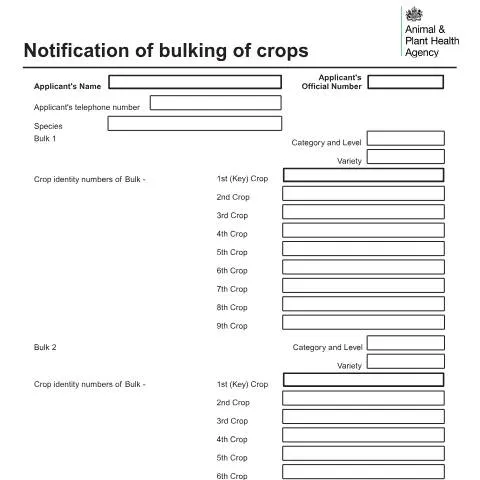
Navigating the Complexities of Seed Certification: Bulking of Crops Explained
In the realm of agricultural practices in the UK, certified seeds play a pivotal role in ensuring the quality and integrity of crops. The Seed Certification: Bulking of Crops certificate issued by the Animal and Plant Health Agency (APHA) is an official document that validates the bulking process of specific crop varieties. This process is not merely procedural; it underpins the trust in the agricultural supply chain, ensuring that farmers receive reliable and certified seed stock for cultivation. Understanding the intricacies of obtaining this certificate, its legal weight, and the implications of its loss or errors is crucial for all stakeholders involved in the agricultural sector.
The Legal Foundation of Seed Certification
To appreciate the significance of the Seed Certification: Bulking of Crops document, one must first delve into its legal standing. This certificate is not just a formality; it holds substantial legal weight, confirming that the crops have been sourced and managed in compliance with agricultural regulations.
What It Certifies
The certificate attests to various aspects of the crops involved, including:
- Species: The specific plant variety that is being bulked.
- Category and Level: Indicates the quality classification of the seeds.
- Crop Identity Numbers: Unique identifiers for each crop variant involved in the bulking process.
This document serves as a guarantee to buyers and stakeholders that the seeds in question are legitimate, traceable, and have adhered to the APHA standards for quality and health.
Legal Implications for Non-Compliance
Failure to obtain or misrepresentation of this certification can lead to severe penalties, including:
- Legal action from buyers or regulatory bodies.
- Inability to sell crops as certified, impacting marketability and profitability.
- Potential revocation of the right to operate within the agricultural sector.
Eligibility and Application Process
The journey to acquire the Seed Certification: Bulking of Crops certificate begins with understanding who is eligible and the steps involved.
Who Can Apply?
Eligibility is primarily determined by the role of the individual or entity in the seed production process. Typically, the following parties can apply:
- Licensed seed producers.
- Farmers intending to bulk their own seeds.
- Agricultural organizations involved in seed certification.
Steps to Obtain Certification
- Prepare Documentation: Gather all necessary information, including the crop identity numbers and details about the bulking process.
- Submit Application: Send the completed application form to NIAB along with any required supporting documents.
- Inspection and Verification: Allow APHA officials to conduct inspections to verify compliance with standards.
- Receive Certification: Once approved, the certificate will be issued, confirming the bulking of the crops.
This structured approach ensures that all parties involved understand their roles, and it streamlines the process for obtaining this vital certification.
Handling Errors and Contestations
Errors in the Seed Certification: Bulking of Crops process can have significant repercussions. Understanding how to manage these situations is essential for applicants and stakeholders.
What to Do in Case of Errors
If you discover an error on your certificate or in the application process, consider the following steps:
- Contact APHA Immediately: Reach out to the agency for guidance on rectifying the issue.
- Provide Evidence: Be prepared to present any documentation that supports your claim.
- Follow Up: After submission of corrections, ensure you follow up regularly to track the progress of your request.
Contesting a Certification Decision
If you believe your application was unfairly denied or contested, you have the right to appeal the decision. This involves:
- Writing an Appeal: Draft a formal letter outlining your reasons for contestation.
- Submission Timeline: Submit your appeal within the designated timeframe, typically 28 days from the decision.
- Await Response: The APHA will review your appeal and provide feedback or a decision on the matter.
Validity and Renewal of the Certificate
Understanding the validity period of the Seed Certification: Bulking of Crops certificate is crucial for maintaining compliance within the agricultural sector.
Duration of Validity
This certificate remains valid for a specific duration, typically aligned with the growing and harvesting cycles of the crops involved. However, it’s important to note:
- Renewal is required annually.
- Renewal applications must be submitted prior to the expiry of the current certificate.
Renewal Process
To ensure uninterrupted certification, farmers and producers should follow these steps for renewal:
- Review Existing Documentation: Check all current records and ensure any discrepancies are resolved before renewal.
- Submit Renewal Application: Provide the necessary documentation and any updated information regarding the crops.
- Engage in Inspections: Be available for any required inspections or assessments by APHA.
The Value of Seed Certification in Crop Production
Beyond the bureaucratic necessities, the Seed Certification: Bulking of Crops document carries significant value for stakeholders in the agricultural sector.
Impact on Market Competitiveness
Having this certificate can enhance a farmer's or producer's marketability. Here’s how:
- Consumer Trust: Buyers are more likely to purchase seeds that come with a certification, ensuring quality and reliability.
- Access to Premium Markets: Certified seeds often fetch higher prices and access to niche markets focused on quality produce.
Supporting Sustainable Practices
Additionally, the certification process promotes sustainable agricultural practices by encouraging compliance with health and safety standards. This not only helps in preserving biodiversity but also contributes to the overall health of the agricultural ecosystem.
Understanding Data Protection and Privacy
In the course of obtaining the Seed Certification: Bulking of Crops, personal data is collected and processed. Understanding your rights regarding this data is paramount.
Data Protection Principles
The Data Protection Act 2018 and UK GDPR govern how personal data is handled during the certification process. Key principles include:
- Transparency: Applicants are informed about how their data will be used.
- Data Minimization: Only the necessary data required for processing the application is collected.
- Rights of the Individual: Individuals have the right to access their data and request corrections or deletions.
For more detailed information on how your data is processed, you may consult the APHA’s personal information charter.
Final Thoughts on Seed Certification: Ensuring Quality and Compliance
Obtaining the Seed Certification: Bulking of Crops from the Animal and Plant Health Agency is an essential step for those involved in the agricultural sector. It not only assures compliance with regulations but also enhances marketability and supports sustainable agricultural practices. By understanding the intricacies of this certification, individuals and entities can navigate the process more effectively, ensuring that they are equipped with the knowledge needed to maintain the integrity and quality of their agricultural products.
Understanding the Seed Certification Process in the UK
In the UK, seed certification is a crucial mechanism for ensuring that crops are grown from high-quality seeds, which meet specific standards established by the Animal and Plant Health Agency (APHA). This process is not only important for maintaining agricultural productivity but also for ensuring food safety and biosecurity. The certification involves several key stages:
Application for Certification: Seed producers must submit an application to the relevant authority, detailing the type of seeds they wish to certify. This application generally includes information on the source of the seeds, the methods of production, and intended end-uses. It's critical to provide accurate and comprehensive information, as incomplete applications may lead to delays or rejections.
Field Inspection: After the application is approved, a field inspection is conducted to ascertain that the crops are grown under conditions that meet certification standards. Inspectors examine the crop's health, variety identity, and the presence of pests or diseases. This step is vital to ensure that the seeds produced are true to type and free from contamination.
Post-Harvest Processing: After harvesting, seeds undergo a rigorous post-harvest inspection and testing process. This includes checking for purity, germination rates, and the absence of contaminants. The results of these tests are documented, and only seeds that pass these evaluations can be certified.
Certification and Labeling: Upon successful completion of inspections and tests, the seeds are officially certified. Each certified batch is assigned a unique identification number and accompanied by a certification label, which provides crucial information about the seed variety, origin, and certification date. This labeling is essential not only for traceability but also for consumer confidence in the quality of agricultural products.
Annual Review and Compliance: Seed producers must adhere to ongoing compliance requirements to maintain their certification status. This includes submitting annual returns, undergoing regular inspections, and ensuring production practices remain aligned with UK regulations. Failures to comply can result in reclassification or suspension of certification.
The Importance of Seed Certification for Crop Bulking
Crop bulking refers to the process of increasing the quantity of certified seeds through careful management and cultivation. In the UK, successful bulking is closely intertwined with the seed certification process, as it directly impacts the quality and reliability of the seeds produced. Here are some key considerations in this aspect:
Genetic Integrity: Maintaining genetic integrity during the bulking process is paramount. Seed producers must ensure that only the true-to-type parent material is used, which often involves careful isolation techniques to prevent cross-contamination with other varieties or species. This not only secures the varietal purity but also contributes to the overall health of the agricultural ecosystem.
Environment and Soil Health: The environment in which seeds are bulked plays a significant role in their quality. Practices such as crop rotation, soil health management, and sustainable pest control can enhance the quality of the seeds. Producers are encouraged to adopt Integrated Pest Management (IPM) strategies and organic approaches where feasible, contributing to both environmental sustainability and high-quality seed production.
Market Demand and Certification Standards: Understanding market demand is crucial for producers involved in bulking seeds. The certification standards often reflect market needs, and being knowledgeable about these trends can guide producers in choosing suitable varieties for bulking. Staying informed about global agricultural trends, local market preferences, and consumer demands ensures that growers can make strategic decisions that enhance profitability.
Continuous Education and Training: To successfully navigate the complexities of seed certification and bulking, ongoing education and training for producers are essential. Workshops, seminars, and collaboration with agricultural extension services can provide valuable insights into best practices, emerging technologies, and evolving regulatory frameworks. Producers are encouraged to engage actively with agricultural institutions, as this will foster a deeper understanding of industry standards and innovations.
Challenges and Future Directions in Seed Certification and Bulking
The landscape of seed certification and bulking in the UK is continually evolving, influenced by advancements in agricultural technology, regulatory changes, and market dynamics. As we look to the future, several challenges and opportunities are emerging:
Technological Advancements: The use of precision agriculture technologies, such as drones and satellite imaging, is revolutionizing crop management. These innovations allow for real-time monitoring of crop health and growth, enabling producers to make informed decisions that enhance seed quality. However, integrating these technologies into existing certification processes requires careful planning and adaptation by regulatory bodies.
Climate Change Resilience: Climate change presents significant challenges for agriculture, and seed certification must adapt to these shifts. Developing seed varieties that are resilient to changing climate conditions—such as drought, flooding, and increased pest pressure—will be crucial. Collaboration between scientists, seed producers, and certification authorities is vital in creating a framework that supports the development and certification of these new varieties.
Consumer Awareness and Trust: As consumers become increasingly conscious of food sources and agricultural practices, the demand for transparency in seed certification is growing. Producers must prioritize clear communication regarding certification processes, ensuring consumers understand the significance of seed quality and safety. Engaging with consumers through educational campaigns can help build trust and support for certified seed products.
Regulatory Adaptation: The regulatory landscape governing seed certification is subject to change, particularly with the ongoing discussions related to the UK's exit from the European Union. Adaptation to new trade agreements, standards, and compliance requirements will be crucial for maintaining the robustness of the seed certification system. Continuous dialogue between stakeholders, including government, industry, and academic institutions, can facilitate a smooth transition and support the UK's agricultural future.
Global Collaboration: As global agricultural markets become increasingly interconnected, collaboration between countries will be essential to address challenges related to seed certification and bulking. Sharing best practices, harmonizing certification standards, and fostering partnerships can enhance the quality and availability of seeds worldwide. Staying engaged in international forums and discussions will enable UK producers to remain competitive and contribute to global food security.
Through proactive engagement with these challenges and opportunities, the seed certification and bulking landscape in the UK can continue to thrive, ensuring that the agricultural sector remains resilient and responsive to the needs of both producers and consumers.