Understanding the Importance of Seed Test Reports
In the realm of agriculture, the integrity and viability of seeds play a critical role in determining the success of crop production. Seed Test Reports, managed by the Animal and Plant Health Agency (APHA), are essential documents that provide vital information regarding the quality of seeds intended for sowing. These reports not only ensure compliance with national regulations but also help farmers make informed decisions about their seed choices. The comprehensive nature of these reports covers several key factors including germination rates, seed purity, and the presence of inert matter.
The Lifecycle of a Seed Test Report: From Sample Submission to Results
The journey of a seed test report begins when a seed supplier or grower submits a sample to an Official Licensed Seed Testing Station. Understanding the chronological steps involved is crucial for stakeholders.
- Sample Collection: The first step involves collecting a representative sample of seeds, which is essential for accurate testing.
- Submission to Testing Station: After collecting the sample, it must be submitted to a licensed testing station, accompanied by the appropriate documentation.
- Testing Procedures: At the testing station, a variety of tests are conducted, including purity tests and germination assessments.
- Report Generation: Once tests are complete, a detailed report is generated, providing insights into the seed quality.
- Distribution of Report: The final report is sent to the submitter, detailing the findings and compliance with regulations.
Throughout this process, it is crucial for parties to maintain communication with the testing station to track the progress of their submission.
Key Components of a Seed Test Report
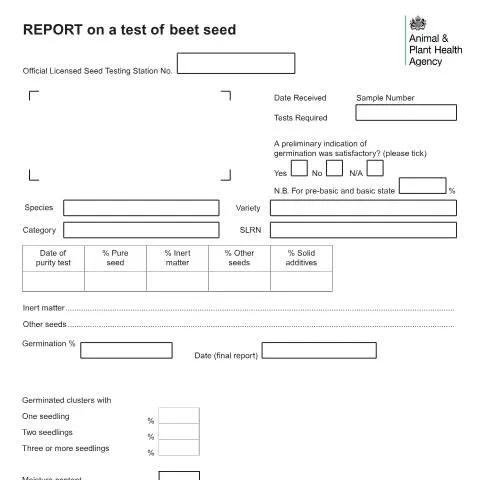
A thorough understanding of the components of a seed test report is essential for both growers and seed companies. Below are the critical aspects that are evaluated:
| Component | Description |
|---|---|
| Germination Percentage | Indicates the viability of seeds, showing what percentage are expected to sprout. |
| Purity Percentage | This details the percentage of pure seeds in the sample, excluding weeds and other seeds. |
| Inert Matter | The percentage of materials that are not viable seeds, such as soil or debris. |
| Other Seeds | Details the presence of seeds from different species, which can affect crop production. |
| Moisture Content | Crucial for storage and viability, indicating how much moisture is present in the seed sample. |
Understanding these components allows growers to assess the quality of their seed more comprehensively and make data-driven decisions.
Timelines: From Submission to Final Report
Timing is a crucial element in the process of obtaining a seed test report. The timeline can vary based on several factors, including the testing station's workload and the type of tests required. Here's a general guideline:
- Submission to Testing Station: Immediately upon sample collection.
- Testing Duration: Ranges from one week to several weeks, depending on the complexity of tests.
- Report Distribution: Typically issued within two weeks following completion of tests.
Understanding these timelines will help growers plan their planting schedules and manage expectations regarding seed availability.
What to Do When Facing Challenges: Errors and Missing Information
Encounters with errors or missing information in a seed test report can be frustrating, but knowing how to handle such situations is essential. If you find discrepancies or require additional information, follow these steps:
- Review the Report: Ensure you thoroughly examine the report for any apparent errors or missing components.
- Contact the Testing Station: Reach out directly to the testing station for clarifications on the report findings.
- Provide Supporting Documentation: If the report lacks certain details, prepare and submit any necessary additional documents.
- Request a Re-Test: In some cases, it may be prudent to request a re-test of the seed sample.
Maintaining ongoing communication with the testing authority is key to resolving issues efficiently.
Essential Documentation for Successful Submission
When preparing to submit a seed sample for testing, having the right documentation is critical. Below is a checklist of required information:
- Seed Sample ID: Ensure each sample is clearly labeled with an identification number.
- Submission Form: Complete the relevant submission form detailing the type of seeds and tests requested.
- Payment Details: Include payment information if applicable, as most testing stations require fees for their services.
- Previous Test Reports: If applicable, attach previous seed test reports to establish a history of the seed sample.
Gathering all necessary documents prior to submission ensures a smoother process and reduces the risk of delays.
Understanding the Legal Framework Surrounding Seed Testing
The process of seed testing in the UK is governed by regulations that ensure the credibility and reliability of seed quality. These regulations are outlined in the Seed Marketing (England) Regulations, which establish the standards for seed quality and marketability. Specific points to note include:
- Compliance Requirements: Growers must ensure their seeds comply with established purity and germination standards.
- Data Protection: Personal data handled during the testing process is governed by the Data Protection Act 2018 and the UK GDPR, ensuring the protection of individuals’ information.
Understanding these legalities is important for growers to ensure compliance and protect their interests while navigating the testing process.
Follow-Up Actions After Receiving Your Seed Test Report
Once the seed test report is received, it is imperative to take appropriate action based on the results. Here's what to consider:
- Evaluate the Results: Assess the findings to determine if the seed quality meets your planting requirements.
- Make Informed Decisions: Based on the report, decide whether to proceed with the seeds, seek alternatives, or request a retest.
- Communicate with Stakeholders: Inform relevant parties, such as suppliers or collaborators, of the findings to ensure everyone is aligned.
- Plan for Future Testing: Consider scheduling regular testing for ongoing seed batches to maintain quality assurance.
By following these steps, growers can effectively navigate the post-report phase and make decisions that support successful agricultural outcomes.
Understanding Seed Testing Regulations in the UK
Seed testing in the UK is governed by both national and international standards to ensure the quality and viability of seeds. The UK follows guidelines laid out by the International Seed Testing Association (ISTA), which outlines methodologies for seed testing processes. The key components of seed testing include purity analysis, germination tests, and disease screening. To comply with UK laws, seed testing must be conducted by accredited laboratories that adhere to these standards, ensuring the reliability of the seed test reports issued.
Fill in your form directly online
No printing: type your details into the boxes of the official form, tick, then download the PDF ready to send.
- 1Type into the form boxes
- 2Tick in one click
- 3Save and download the PDF
Under the Seed (National Lists of Varieties) Regulations 2001, seed must be tested for quality before it can be sold or distributed in the UK. This means that seed suppliers must maintain records of their seed test outcomes and ensure that any seed sold meets the minimum germination rates and purity standards. The Animal and Plant Health Agency (APHA) plays a crucial role in overseeing compliance and regulation of these seed testing requirements, ensuring that both agricultural and horticultural seeds are of the highest standards.
The Process of Obtaining and Interpreting Seed Test Reports
When you engage in seed testing, understanding how to obtain and interpret seed test reports is essential. The process typically begins with sampling, where representative samples of the seed lot are collected. It's important to follow rigorous sampling protocols to ensure that the results are representative of the entire batch. After sampling, the seeds are sent to a certified testing laboratory where various analyses will be conducted.
Once the testing is completed, the laboratory issues a seed test report, which includes valuable information such as germination percentage, seed moisture content, and the presence of any pests or diseases. This report is crucial for growers as it provides insight into the viability and health of the seeds they plan to use. For example, a germination rate below the acceptable threshold may indicate the need for a different seed lot or a change in planting strategy.
Moreover, the interpretation of these reports should be done considering specific crop requirements and environmental conditions. Some crops may have different acceptable standards for germination and purity, making it essential for growers to consult guidelines relevant to their specific agricultural practices. Knowing how to read and utilize these reports effectively can significantly impact crop yields and overall farming success.
Legal Obligations and Responsibilities of Seed Suppliers
Seed suppliers in the UK carry legal obligations under the Seed Act 1966 and associated regulations. These obligations include ensuring that all seeds sold or distributed are accompanied by accurate seed test reports. Failure to comply with these legal requirements could result in severe penalties, including fines or revocation of business licenses. Additionally, suppliers must provide truthful information regarding the seed's quality and origins to prevent misleading consumers.
It is also important for suppliers to maintain transparency about the methodologies used in seed testing. When selling seeds, suppliers should be prepared to provide documentation that details how the seeds were tested, including the laboratory's accreditation information and the specific protocols followed during the testing process. This not only ensures compliance but also builds trust with customers who rely on the quality of the seeds they purchase.
Furthermore, under the Data Protection Act 2018, suppliers must ensure that any personal data collected during the transaction or testing process is handled in compliance with legal standards. This includes secure storage of customer data and providing customers with access to their data upon request. Suppliers should also familiarize themselves with the UK GDPR guidelines, which set forth rights regarding personal data and obligations for data controllers.