Understanding the Importance of Reporting Suspected Salmonella in Dogs
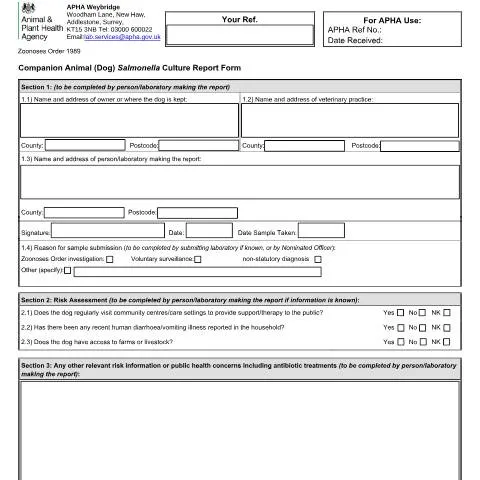
In the realm of pet ownership, ensuring the health of your dog is paramount. However, when health issues arise, particularly concerning zoonotic diseases like salmonella, the stakes are significantly higher. Such concerns not only affect the dog but can also pose risks to public health. Filling out the Dogs: report suspected salmonella (ZO2 dogs) form is a critical step in managing these health risks.
Who Should Complete This Form?
This form is designed to be filled out by various stakeholders, including:
- Veterinary Practices: If a veterinarian suspects salmonella, they must report it to ensure comprehensive tracking and management.
- Laboratories: If salmonella is identified in a laboratory setting, the lab personnel are responsible for submitting the report.
- Dog Owners: Owners can take the initiative to report if they observe symptoms in their pets, thus playing a crucial role in public health surveillance.
Navigating the Submission Process
Completing the form is just the first step. Submitting it correctly is equally essential. The submission process involves:
- Completing the Form: Ensure all sections are filled accurately. This includes details about the dog, the owner, and any relevant health information.
- Signing the Document: It is crucial for the individual making the report to sign the document. This adds a layer of accountability.
- Submitting Alongside Isolate Samples: The completed form must accompany any biological samples taken from the dog. This is vital for accurate diagnosis and public health tracking.
What Happens After Submission?
After submission, the form initiates several key processes:
- Risk Assessment: The Animal and Plant Health Agency (APHA) will conduct a risk assessment based on the information provided.
- Investigation: If deemed necessary, an investigation into possible sources of infection will be initiated, which may include inspections of premises where the dog has been.
- Public Health Notifications: Depending on the outcome, relevant public health bodies may be notified to mitigate any risk to human health.
The Role of Dog Owners in Public Health
Dog owners play an integral role in monitoring their pets' health. Owners should be vigilant for symptoms of salmonella, which can include:
- Diarrhea
- Vomiting
- Fever
- Decreased appetite
Recognizing these symptoms and reporting them through the ZO2 form not only aids in the health of their pet but also contributes to the overall safety of the community.
Preparing for Potential Complications
What if the report encounters issues? Understanding the potential complications can help navigate the process smoothly:
- Missing Information: Incomplete forms may delay processing. Double-check that all fields are filled out correctly.
- Errors in Reporting: If you realize a mistake has been made after submission, contact the APHA immediately to rectify the information.
- Refusal of Investigation: If a report is deemed unsubstantiated, you may not receive follow-up communication. In such cases, engaging with your veterinarian to discuss your concerns is advisable.
Understanding the Risk Assessment Process
The risk assessment is a critical aspect of the form completion. It incorporates a series of questions that help determine the potential impact of the reported case. Key areas assessed include:
| Question | Response Options |
|---|---|
| Does the dog visit community centers? | Yes / No |
| Has there been recent human illness in the household? | Yes / No |
| Does the dog have access to farms? | Yes / No |
These questions guide the assessment team in determining the potential for further spread of the disease and the urgency of the response needed.
Documentation and Evidence Preparation
When completing the form, it’s crucial to prepare any necessary documentation and evidence:
- Medical Records: Include any relevant veterinary records that indicate treatment or symptoms.
- Sample Collection: Ensure that isolate samples are collected under sterile conditions for accurate testing.
- Additional Notes: Be prepared to provide any extra information that may be requested during the investigation.
Addressing and Mitigating Risks in Your Community
Understanding how to mitigate risks from salmonella in dogs contributes to broader public health initiatives. Steps include:
- Regular Vet Check-Ups: Consistent veterinary care can help catch any potential health issues early.
- Education and Awareness: Engage with local communities to disseminate information about preventing zoonotic diseases.
- Responsible Pet Care: Ensuring that pets are fed properly and kept away from potentially contaminated environments can prevent the spread of infection.
By fostering a culture of vigilance and responsibility among pet owners, communities can significantly reduce the risk of salmonella outbreaks.
Final Thoughts on the Veterinary Responsibility
Veterinarians and laboratories play a pivotal role in managing public health risks associated with zoonoses. Engaging proactively with the necessary reporting mechanisms, such as the ZO2 form, enhances disease surveillance and response efforts. Their observations, diagnostic capabilities, and collaboration with public health agencies are essential in managing potential outbreaks effectively.
Ultimately, the completion and submission of the Dogs: report suspected salmonella (ZO2 dogs) form is not merely a bureaucratic task; it is a vital action contributing to the health of both dogs and humans in the community. Ensuring it is done correctly and promptly can make a significant difference in public health outcomes.
Understanding the Risks of Salmonella in Dogs
Salmonella is a type of bacteria that can cause serious illness in both humans and animals. While it is often associated with undercooked poultry or contaminated eggs, dogs can also be carriers of Salmonella, particularly if they consume raw or undercooked foods. Understanding the risks and symptoms associated with Salmonella infection in dogs is crucial for pet owners to protect both their pets and their families.
Dogs can become infected with Salmonella through various routes, including ingestion of contaminated food, contact with infected animals, or exposure to contaminated environments. Symptoms of Salmonella infection in dogs can range from mild gastrointestinal upset to severe illness, including vomiting, diarrhea, fever, and lethargy. In some cases, the infection can become systemic and lead to more serious health issues.
If your dog displays symptoms of Salmonella infection, it is imperative to consult a veterinarian promptly. They may conduct fecal tests to confirm the presence of the bacteria. Early detection and treatment can help prevent complications and ensure a quick recovery for your dog. It's also important to maintain good hygiene practices, such as washing hands after handling your dog or cleaning up after them, to prevent the spread of Salmonella and protect your family's health.
Reporting Suspected Salmonella Cases: The Official Process
In the UK, reporting suspected cases of Salmonella in dogs is not just about safeguarding your pet’s health; it’s also a public health concern. When a dog is suspected of having a Salmonella infection, the owner should report this to their veterinarian, who will follow the appropriate reporting protocols. The veterinarian is responsible for notifying the relevant local authorities and public health agencies.
To formally report a suspected case, veterinarians will typically fill out the Animal Disease Notification Form, which includes details such as the dog's symptoms, vaccination history, and any potential exposure to contaminated food or environments. This information helps health officials track outbreaks and manage potential risks to public health.
Additionally, pet owners can contact Public Health England (PHE) and report their concerns. It’s important for dog owners to be aware that Salmonella can be transmitted to humans, especially in households with young children, the elderly, or immunocompromised individuals. Thus, vigilance is key in reporting and managing suspected cases effectively.
Preventative Measures to Reduce Salmonella Risk in Dogs
Preventing Salmonella infections in dogs starts with responsible pet ownership and good hygiene practices. Here are some effective strategies to reduce the risk:
- Proper Food Handling: Ensure that your dog's food, especially raw diets, are handled safely. Store raw food in the refrigerator and use separate utensils to avoid cross-contamination with human food.
- Safe Feeding Practices: Avoid feeding your dog raw eggs or undercooked meat, as these are common sources of Salmonella. Consider opting for commercially prepared dog food that meets safety standards.
- Regular Vet Check-ups: Schedule regular veterinary examinations for your dog. Your vet can perform routine check-ups to catch any potential health issues early.
- Maintain a Clean Environment: Regularly clean and disinfect your dog’s living area, bedding, and food dishes. This helps reduce the risk of bacterial growth and contamination.
- Educate Family Members: Make sure everyone in your household understands the importance of hygiene when handling pets. Teach children to wash their hands after playing with or caring for the dog.
By employing these preventative measures, pet owners can significantly decrease their dogs' risk of contracting Salmonella, while also protecting themselves and their families from potential transmission.