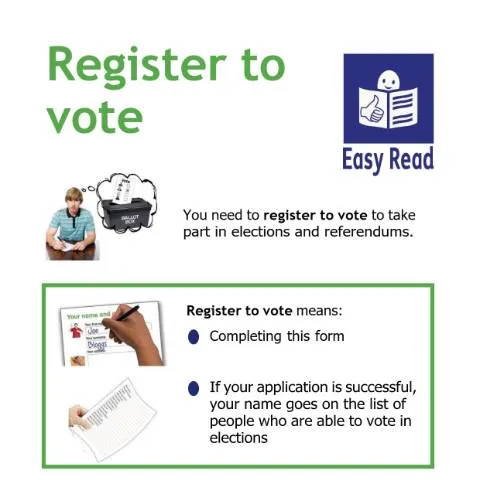
Navigating the Path to Participation: The Easy Read Voting Registration Form
Engagement in democratic processes is a fundamental right and responsibility for individuals residing in the UK. The Registering to Vote: Easy Read Form is an essential tool designed to simplify the voting registration process, ensuring that everyone can easily understand how to register. This form is particularly significant for those who may find traditional documentation overwhelming. Here, we will delve into the critical aspects of this form, its role in the electoral system, and the steps necessary for successful completion.
The Significance of Voting Registration
Voting registration is more than just a formality; it is the gateway to participating in elections that shape the society we live in. By registering, you gain access to essential rights and privileges:
- Empowerment: Being registered allows individuals to exercise their right to vote, influencing decisions that impact their lives directly.
- Accountability: Voting holds elected officials accountable, ensuring they represent the interests of their constituents.
- Community Representation: Local and national elections determine policies affecting community welfare, from education to healthcare.
Failure to register can lead to disenfranchisement, where individuals miss out on their chance to voice their opinions on critical issues, ultimately affecting democratic outcomes.
Who is Eligible to Fill Out This Form?
This Easy Read Voting Registration Form caters to a diverse demographic, aiming to accommodate various individuals, including:
- Residents 16 and Over: You can start your registration at 16, but you can only vote when you turn 18.
- Citizenship Criteria: Individuals must be British or Irish citizens, or Commonwealth citizens with the right to reside in the UK.
Special considerations are given to those living in more complex circumstances, such as students or asylum seekers, who may need tailored guidance during registration.
Registration for Minors and Young Adults
For those aged 16 and 17, while voting isn't possible until they reach 18, early registration is encouraged. This enables seamless voting participation once eligible. Moreover, engaging young people in the electoral process fosters a culture of civic responsibility.
The Process: Step-by-Step Registration Guide
Completing the form involves several straightforward steps. Below is a detailed breakdown of the registration process:
Step 1: Obtain the Form
You can acquire the Easy Read Voting Registration Form either:
- Online: Visit the official government website for a digital copy.
- In-Person: Local Electoral Registration Offices can provide physical copies.
Step 2: Information Gathering
Before filling out the form, ensure you have the necessary information at hand:
- Name and Address: Full legal name and current address.
- Date of Birth: Required for verification purposes.
- National Insurance Number: This helps to confirm your identity.
Step 3: Completing the Form
Here, accuracy is paramount. While the Easy Read format simplifies language, attention to detail is essential. Common mistakes include:
- Incorrect Spelling: Ensure names are spelled correctly as per official documents.
- Incomplete Information: Double-check each section before submission.
Step 4: Submission of the Form
Once completed, submit the form by:
- Mail: Send the form to your local Electoral Registration Office.
- Online Submission: Some regions allow direct online submission, simplifying the process.
It’s advisable to check deadlines to ensure your registration is processed in time for upcoming elections.
Understanding the Outcomes: What Happens Next?
After submission, the local Electoral Registration Office will review your application. If successful:
- Your details will be added to the electoral register.
- You will receive confirmation of your registration.
However, if there are issues, the office will contact you for further clarification or additional information.
Consequences of Non-Registration
Failing to register can have significant repercussions, including:
- Inability to Vote: You will not be able to participate in elections, missing out on critical decisions that affect your community.
- Legal Penalties: In some cases, failing to register may lead to fines or other penalties, particularly for those with obligations to register.
Addressing Unique Situations: Special Cases in Registration
While the registration process may seem straightforward, certain individuals may face unique challenges:
International Students and Non-Citizens
International students residing in the UK may have different registration criteria. They should check their eligibility, as many cannot vote in UK elections. However, understanding local laws can help them navigate their rights and responsibilities.
Vulnerable Populations
People with disabilities or those facing language barriers may find the process daunting. In such cases, seeking assistance from community organizations or support services can provide the necessary guidance to complete the registration successfully.
The Legal Framework: Understanding the Context
The Easy Read Voting Registration Form is rooted in the broader legal and regulatory framework governing electoral processes in the UK. The Electoral Registration Act mandates that individuals must be registered to vote in elections, emphasizing the importance of inclusive access.
Moreover, the Data Protection Act 2018 and the UK GDPR establish guidelines for handling personal information during this process. Ensuring confidentiality and security within the registration system is paramount, fostering trust among citizens.
Conclusion: Empowering Through Participation
The Easy Read Voting Registration Form plays a crucial role in facilitating inclusivity within the electoral system. By understanding its significance and the steps involved, potential voters can confidently navigate the registration process. This engagement not only empowers individuals but also strengthens democracy as a whole, ensuring that every voice is heard.
Understanding the Registration Process
Registering to vote in the UK is a straightforward process if you know the steps and requirements. The first step is to determine if you are eligible. You must be at least 16 years old in England, Wales, and Northern Ireland (or 14 in Scotland). However, you can only vote when you turn 18. Additionally, you must be a British citizen, a qualifying Commonwealth citizen, or a citizen of the European Union residing in the UK.
The application process can be completed online through the official government website. You will need to provide personal details including your name, address, date of birth, and National Insurance number. If you live in Northern Ireland, the process differs slightly, as you must use a paper form called the 'Northern Ireland voter registration form.' This form can be requested from your local Electoral Office or downloaded from their website.
Once you have submitted your application, your local Electoral Registration Office will process it. They may contact you for verification purposes, especially if your identity is unclear. It’s important to register before the deadline to ensure you can vote in upcoming elections. Deadlines for voter registration can vary depending on the type of election, so always check in advance.
Special Considerations for Certain Groups
While the general process for registering to vote is accessible, there are specific provisions and considerations for certain groups. For instance, people with disabilities can request assistance during the registration process. Local authorities are mandated to provide guidance and support to ensure that accessibility barriers are minimized.
Additionally, those who are part of armed forces or living abroad also have specific registration provisions. Members of the armed forces can register to vote under a service voter registration system, which ensures they can participate in elections regardless of their location. Similarly, British citizens living abroad can register as overseas voters if they have been registered in the UK within the last 15 years.
Another key group includes individuals facing homelessness or who do not have a permanent address. There are options available for them to register anonymously, which can protect their personal information from being publicly disclosed. It’s advisable for individuals in these situations to contact their local Electoral Registration Office to explore their registration options.
Maintaining Your Registration: Updates and Changes
Once you are registered to vote, it’s essential to keep your registration details up to date. If you change your address, name, or nationality, you must inform your local Electoral Registration Office promptly. Failing to do so may result in you being unable to vote, particularly in local elections where your voting district may change.
Additionally, if you are a student who moves between your parental home and university during the academic year, you have the option to register at both addresses. However, you can only vote in one location for any given election. This option allows students to participate in local elections while remaining connected to their home community.
Furthermore, when elections are approaching, it is crucial to check your registration status. You can contact your local Electoral Registration Office to confirm your details are correct and that you meet the eligibility criteria for voting.
Notably, if you haven’t registered in a while, it's wise to check if you are still on the electoral roll, as local councils periodically update their records. Staying proactive with your voter registration ensures that you can exercise your democratic rights without any complications.