Navigating the IHT70: A Comprehensive Overview of Inheritance Tax Business Relief on Employee Benefit Trusts
When it comes to inheritance tax, the stakes can be high. For businesses that have established employee benefit trusts, understanding the IHT70 form is crucial. Not only does this official document serve a vital role in claiming business relief on employee benefit trusts, but it also helps mitigate potential inheritance tax liabilities for the company and its stakeholders. Let’s delve deeper into the intricacies of the IHT70 form, exploring its necessity, the process of submission, and the broader implications for businesses.
Understanding the Context: Inheritance Tax and Employee Benefit Trusts
The United Kingdom imposes inheritance tax on the estate of a deceased individual, which can include their possessions, property, and money. However, certain assets, particularly those held in employee benefit trusts, can qualify for relief under specific conditions. The IHT70 form plays an integral role in this process, acting as the official claim document for businesses seeking relief from inheritance tax on their employee benefit trusts.
Employee benefit trusts (EBTs) are often used by companies to provide benefits to their employees, including bonuses or pensions. The IHT70 form is essential for ensuring that contributions made to these trusts can be exempt from inheritance tax, provided that all conditions are met.
The Importance of Claiming Relief
Claiming business relief on these trusts is not just beneficial; it is often necessary. Without successfully submitting the IHT70, businesses may face significant tax liabilities that could affect their financial stability. The potential implications extend beyond taxes to include cash flow impacts, company valuation, and overall financial wellbeing.
Breaking Down the IHT70 Submission Process
Completing and submitting the IHT70 form involves several key steps. Understanding each step is vital for businesses aiming to take advantage of available tax reliefs.
Step 1: Gathering Necessary Information
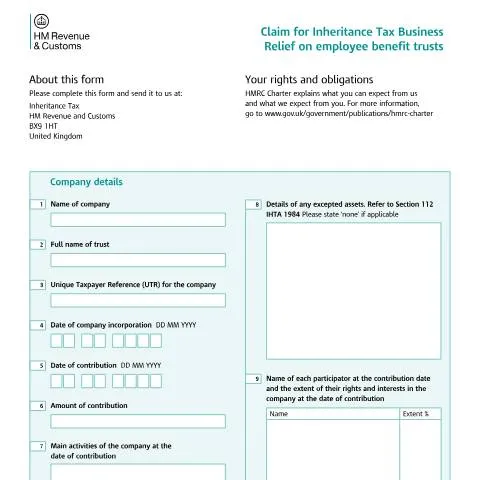
Before filling out the IHT70 form, businesses must ensure they have gathered all the necessary information. This includes:
- Name of the company
- Full name of the trust
- Unique Taxpayer Reference (UTR) for the company
- Date of company incorporation
- Date of contribution to the trust
- Amount of contribution
- Main activities of the company as of the contribution date
- Details of any excepted assets as per Section 112 of the IHTA 1984
- Name of each participator as of the contribution date and their interests
Step 2: Completing the Form
With all information at hand, businesses can begin filling out the IHT70 form systematically. It is crucial to provide accurate data across all sections, as inaccuracies may lead to delays or rejections of the claim.
Step 3: Providing Additional Information
If there are complex circumstances surrounding the claim—such as contracts for sale involving the business or its assets—this information needs to be included in the additional information section of the form. Clear, concise statements will help HM Revenue & Customs (HMRC) assess the claim effectively.
Step 4: Declaration and Submission
Once the form is completed, the company representative must sign and date the declaration statement, affirming that all provided information is true and complete. The form can then be submitted to HMRC at the following address:
Inheritance Tax HM Revenue and Customs BX9 1HT United Kingdom
What Happens Next? Processing and Follow-Up
After submission, businesses should be prepared for the processing phase. HMRC typically takes a few weeks to review claims like the IHT70, during which they may reach out for further information or clarification. It’s essential for businesses to remain vigilant and responsive during this period.
Tracking the Progress of Your Claim
Businesses can check the status of their claim by contacting HMRC directly. Keeping records of all correspondence and documentation submitted will aid in tracking and addressing any potential issues that arise during the review process.
Potential Pitfalls: What to Avoid When Filing the IHT70
While filing the IHT70, certain common pitfalls can jeopardize a claim. Understanding these can help prevent unnecessary setbacks.
Common Mistakes
- Inaccurate Information: Ensure all details provided, including dates and amounts, are accurate. Incorrect data can lead to delays or rejection.
- Failure to Include Supporting Documentation: Omitting necessary supporting documents, especially when additional information is required, can hinder the processing of your claim.
- Inadequate Response to HMRC Queries: Being unresponsive or delayed in responding to HMRC's requests for further information can prolong the process significantly.
Comparing the IHT70 with Similar Forms
In the landscape of inheritance tax forms, the IHT70 is often confused with other forms due to the specificity of its function. Understanding how it differs from similar documentation can clarify its unique role.
| Form | Description | Use Case |
|---|---|---|
| IHT70 | Claim for business relief on employee benefit trusts | Businesses seeking tax relief on trusts |
| IHT100 | Inheritance tax account for estates | Individuals managing estates of deceased persons |
| IHT403 | Claim for relief on agricultural property | Farmers and landowners claiming relief on agricultural assets |
The Regulatory Framework: Understanding IHTA 1984
The basis for the IHT70 form lies in the Inheritance Tax Act 1984 (IHTA 1984). This legislation outlines the rules governing inheritance tax in the UK, including various reliefs and exemptions. The IHT70 specifically references Section 112, which details the treatment of business assets and conditions under which relief can be granted.
Key Provisions of the IHTA 1984
- Section 112: Defines what constitutes excepted assets and outlines the necessary criteria for claiming relief.
- Business Property Relief: Describes the types of assets that qualify for relief and the conditions applicable.
- Trust Regulations: Details the implications of trusts under inheritance tax, making the IHT70 critical for compliant submissions.
Your Rights and Obligations
Submitting the IHT70 form comes with specific rights and obligations under the HMRC Charter. Businesses should be aware of what they can expect from HMRC as well as what is expected from them during this process.
Expectations from HMRC
HMRC is obligated to handle all claims fairly and transparently. They must provide timely communication regarding the status of claims and any additional requirements that may arise. Furthermore, HMRC must safeguard personal data according to the Data Protection Act 2018 and UK GDPR.
Obligations as a Taxpayer
On the flip side, businesses submitting the IHT70 form must ensure that:
- All information is accurate and truthful, reflecting the actual circumstances of the trust.
- They respond promptly to any inquiries from HMRC to prevent delays.
- They maintain confidentiality and comply with data protection laws concerning the information provided.
Final Considerations: Preparing for Future Filings
Once a business has successfully navigated the IHT70 form submission and received confirmation of their claim, it’s wise to review and prepare for future filings. Keeping detailed records of all contributions made to employee benefit trusts will streamline the process for subsequent claims.
Engaging with a tax advisor or solicitor experienced in inheritance tax can also provide valuable guidance and ensure compliance with all applicable laws and regulations. Staying informed of any changes in tax legislation can further aid businesses in making effective strategic decisions regarding their trusts.
Successfully completing the IHT70 form can significantly impact a business's tax liabilities, so understanding this process is essential. From gathering required information to submitting the form and following up, each step plays a crucial role in securing vital tax relief.
Understanding Employee Benefit Trusts and Their Role in Business Relief
Employee Benefit Trusts (EBT) have emerged as a popular mechanism for companies, particularly in the UK, to provide additional benefits to their employees. These trusts offer a range of advantages, including tax efficiency and flexibility in compensating employees. However, navigating the complexities of these trusts, especially in relation to Inheritance Tax (IHT), requires a deep understanding of both legal and financial intricacies.
An EBT is typically set up by a business to hold and manage funds intended for employee benefits, such as bonuses or pensions. When properly structured, these trusts can potentially qualify for business relief under Inheritance Tax, which significantly mitigates the tax burden for beneficiaries. The critical point here lies in understanding how the trust is managed and the specific benefits that are distributed. The potential tax relief can be substantial, making it imperative for businesses to ensure compliance with the relevant legislation administered by HM Revenue & Customs (HMRC).
To claim IHT relief on an EBT, the trust must be operated primarily for the benefit of employees, and the business must demonstrate that the trust's assets are used for qualifying purposes. It's essential to maintain clear documentation regarding how funds are distributed, along with ensuring that the trust adheres to the guidelines set forth by HMRC. Failure to comply can lead to the loss of relief, which may result in significant tax liabilities.
Navigating the Claim Process for IHT Relief on EBTs
The claim process for Inheritance Tax relief on Employee Benefit Trusts can appear daunting. However, understanding the steps involved can help streamline the experience. Firstly, it is crucial to determine whether the trust and its activities meet the eligibility criteria set out by HMRC. The trust must be structured appropriately, ensuring that it primarily benefits the employees of the business. This may involve consultation with a tax professional or legal advisor who specializes in trusts and taxation.
The actual claim is made using the IHT70 form, which requires detailed information about the trust, its assets, and the intended beneficiaries. Providing accurate and comprehensive information increases the likelihood of a successful claim. It’s vital to include all relevant documents and evidence that support the claim, such as trust deeds and records of payments made to employees.
Once submitted, the claim will be reviewed by HMRC. They may request additional information or clarification, particularly regarding the trust's operations and the benefits provided. Patience is essential at this stage, as claim processing times can vary. It is advisable to keep a record of all communications with HMRC and to follow up if a response is not received within a reasonable timeframe. If a claim is denied, businesses have the right to appeal, but this can involve further complexity, requiring additional evidence or justification.
Common Pitfalls and Considerations When Claiming IHT Relief on Employee Benefit Trusts
While claiming Inheritance Tax relief on Employee Benefit Trusts can be advantageous, several pitfalls can undermine the process. One common issue arises from inadequate record-keeping. Businesses must meticulously document all aspects of the trust, detailing how funds are utilized and the benefits provided to employees. Inconsistent records can lead to complications and potential disqualification from receiving tax relief.
Another consideration is the timing of the claim. The timing of contributions made to the trust and the timing of benefits distributed can significantly impact the eligibility for relief. Businesses should be aware of the tax year and how it aligns with their trust activities. Any discrepancies in timing can raise red flags with HMRC and delay claim processing.
Moreover, it's essential to ensure that the trust is compliant with the Data Protection Act 2018 and UK GDPR, especially regarding the handling of personal data. All activities related to the trust must respect the privacy rights of the beneficiaries. Non-compliance can result in severe penalties and may jeopardize the trust's standing.
Finally, seeking professional advice is highly recommended. Tax laws and regulations are subject to change, and the specific nuances of each business situation may require tailored guidance. Engaging with an experienced tax advisor can help navigate these complexities and significantly reduce the risk of errors in the claim process.