Navigating the Crossrail Planning Appeals Process
In today’s rapidly evolving urban landscape, changes to our environment often require comprehensive planning and approvals. The Crossrail planning appeals process, governed by the Crossrail Act 2008, allows individuals and organisations to challenge decisions made by local authorities regarding development applications. This document outlines the procedures and requirements for lodging a planning appeal with the Planning Inspectorate, providing a vital pathway for those seeking to advance their development projects after a local authority decision. Understanding the intricacies of this process can significantly influence the outcome of your appeal.
The Framework Behind Crossrail Planning Appeals
The Crossrail Act 2008 was enacted to facilitate the construction and operation of the Crossrail railway project, which aims to enhance transport connections across London and the South East. This Act establishes a specific framework for planning and related appeals, enabling the Planning Inspectorate to adjudicate on appeals arising from decisions made by local planning authorities (LPAs) regarding development proposals related to Crossrail.
Key to this process is the understanding that the Planning Inspectorate operates independently of both the government and local authorities, ensuring impartiality in its decision-making. Appeals under this framework are essential for maintaining a balance between local interests and broader infrastructure needs.
Who Submits Appeals and Why
Appeals are primarily submitted by appellants who may include homeowners, developers, or any stakeholders affected by the local authority's decision on development applications associated with Crossrail. The reasons for submitting an appeal can vary significantly, including:
- Rejection of Planning Permission: When a local authority denies a request for development, appellants may seek to overturn this decision.
- Deemed Refusals: If a local authority fails to make a decision within the statutory timeframe, the applicant can appeal this deemed refusal.
- Conditions Imposed: Occasionally, planning permission is granted but with stringent conditions that the applicant finds unfeasible.
Each case is unique, and understanding the grounds for appeal is crucial for the success of the application process.
Steps to Complete and Submit Your Appeal Form
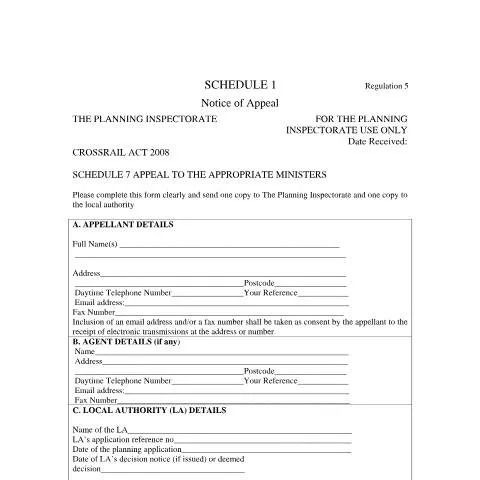
Completing the Crossrail planning appeals form involves meticulous attention to detail. Each section of the form requires specific information that collectively builds your case. Here are the critical components:
Filling Out the Appeal Form
- Appellant Details: Include your full name, address, contact numbers, and email. If you are represented by an agent, their details must also be added.
- Local Authority Information: Specify the name of the local authority that made the decision, along with any application reference numbers.
- Description of Development: Clearly outline the nature of the development in question and refer to the specific section of the Crossrail Act under which approval is sought.
- Supporting Documents: Ensure you include all necessary supporting documents, such as the original application, decision notices, and site plans. Missing documentation can lead to delays or dismissal of the appeal.
Each section of the form has its significance and contributes to the overall strength of your case.
Common Pitfalls While Completing the Form
Even minor errors in completion can jeopardise an appeal. Be mindful of the following:
- Inaccurate contact details can lead to missed communications.
- Failure to include all required documentation, as stipulated in the form, may result in delays.
- Providing vague descriptions of the development may weaken your case.
Timelines and What to Expect
Timing is critical in the appeals process. Once you submit your appeal, the following general timeline applies:
- Submission of Appeal: Your completed form should be submitted promptly, with a copy sent to both the Planning Inspectorate and the local authority.
- Acknowledgment Period: The Planning Inspectorate typically acknowledges receipt of your appeal within a few days. This confirmation allows you to track your appeal's progress.
- Inquiry Process: Depending on the complexity of the appeal, an inquiry or hearing may be scheduled. Expect this process to unfold within a few months, contingent on the number of appeals in the pipeline.
- Decision Issuance: A decision from the Planning Inspectorate will be made within a statutory period, often around 16 weeks. However, this can vary based on the specifics of the appeal.
Understanding these timelines helps you manage your expectations effectively.
Consequences of Inaction or Errors
Failing to adhere to deadlines or submit the required documentation can lead to significant setbacks. Notably:
- Late Submission: Any appeals submitted after the deadline will not be considered.
- Missing Information: Incomplete forms may be returned for correction, delaying the process and potentially jeopardising your development rights.
- Refusal of Appeal: In the absence of compelling arguments or documentation, your appeal may be dismissed outright.
Understanding these potential pitfalls is crucial in navigating the appeals landscape effectively.
After the Appeal: What Happens Next?
Once a decision has been reached, appellants have various options depending on the outcome:
- If Successful: You will receive confirmation of approval, allowing you to commence with your development project. Keep in mind that further consents may still be required from the local authority.
- If Refused: You may consider seeking legal advice regarding further options, including judicial review if you believe there was an error in the process.
It is crucial to be prepared for the next steps, regardless of the decision's outcome.
Addressing Refusals and Errors
Should your appeal be refused, it’s essential to understand your rights and options:
- Request for Reasoning: You may request a detailed explanation of the grounds for refusal, which can help in determining your next steps.
- Judicial Review: If you believe that the decision was reached improperly or the process was flawed, you may have grounds for a judicial review. This involves seeking legal advice to navigate through this complex process.
The Planning Inspectorate's Role in Processing Appeals
The Planning Inspectorate plays a pivotal role in ensuring that the appeal process is fair, accountable, and transparent. Their responsibilities include:
- Reviewing Appeals: Inspectors evaluate the merits of each case based on the documentation provided and any hearings held.
- Site Visits: For certain cases, inspectors may conduct site visits to assess the context of the proposal directly.
- Decision Making: Decisions are made based on planning policies, community impact, and compliance with relevant legislation.
Maintaining communication with the Planning Inspectorate is essential, allowing you to track the progress and any required actions during the appeal process.
Conclusion: Empowering Your Development Journey
Engaging with the Crossrail planning appeals process can be daunting, yet understanding each step and preparing thoroughly enhances your opportunity for success. As you navigate this process, remember to pay careful attention to details, meet all deadlines, and gather all necessary documentation. By doing so, you empower your development journey and ensure that your voice is heard in shaping the future landscape of your community.
Understanding the Crossrail Planning Process
The planning process for Crossrail, officially known as the Elizabeth Line, involves numerous stages, each governed by specific regulations and requirements. Initially, a Development Consent Order (DCO) was sought, which is essential for large infrastructure projects in the UK. The DCO process is structured to facilitate consultation and engagement with stakeholders, including local communities, businesses, and statutory bodies.
The Examination phase is a critical part of the DCO process, overseen by the Planning Inspectorate. During this phase, all representations made by the public and interested parties are considered. It is imperative for stakeholders to understand how to make their voices heard effectively. Engaging in the consultation process allows you to submit formal representations, and it is crucial to adhere to deadlines specified by the Planning Inspectorate. Submissions must be clear and relevant to the project to be taken into consideration.
Furthermore, the planning process includes the Environmental Impact Assessment (EIA), a fundamental requirement under the Town and Country Planning Act 2008. This assessment evaluates the potential environmental effects of the project, allowing for mitigation measures to be proposed. An understanding of how to participate in the EIA process is advantageous for individuals and organizations looking to influence the outcomes related to environmental concerns.
Types of Appeals and Their Outcomes
When it comes to planning appeals related to the Crossrail project, there are several types that stakeholders may encounter, each with distinct pathways and outcomes. The most common types of appeals include deemed consent appeals, where the local authority has failed to make a decision within the statutory timeframe, and appeals against refusal decisions made by the local authority.
Deemed consent appeals allow applicants to bypass local authority delays, leading to a more expedited process. However, this does not guarantee approval, and the Planning Inspectorate will still assess the merits of the application in line with national and local policies.
On the other hand, appeals against refusals require a more detailed approach. Stakeholders must demonstrate why the local authority's decision was not justified, referencing relevant planning policies and guidance. This could involve gathering evidence, such as expert testimonies or additional design proposals, to strengthen the appeal case.
The outcomes of these appeals can vary significantly. Successful appeals often lead to the granting of planning permission, while unsuccessful appeals can result in the need for further consultations or alternative project plans. Understanding the nuances of each type of appeal can empower stakeholders to navigate the process more effectively.
How to Prepare for a Crossrail Planning Appeal: Essential Tips
Preparing for a planning appeal regarding the Crossrail project requires meticulous attention to detail and a strategic approach. Here are some essential tips to consider when preparing your appeal:
Gather Comprehensive Evidence: The strength of your appeal will largely depend on the quality and breadth of the evidence you present. Gather documentation that supports your case, such as photographs, local studies, expert opinions, and any relevant planning policy documents. This evidence should directly address the reasons for refusal or the issues you're contesting.
Consult with Experts: Engaging with planning consultants or legal advisors who specialize in planning law can provide invaluable insights. They can help identify the key arguments to present, ensure compliance with procedural requirements, and assist in drafting your appeal submission. Their expertise may also assist in navigating complex legal language and frameworks.
Understand the Local Context: Familiarizing yourself with local planning policies and community sentiments is crucial. Tailoring your arguments to align with local interests and addressing community concerns can bolster your appeal. Attend local council meetings or engage with community groups to gather insights about prevailing attitudes regarding the Crossrail project.
Follow Submission Guidelines: Ensure your appeal adheres to the submission guidelines provided by the Planning Inspectorate. This includes formatting, documentation requirements, and deadlines. Non-compliance can lead to delays or rejection of your submission.
Prepare for Hearings: If your appeal involves a hearing, preparation is key. Practice presenting your case clearly and concisely, anticipating questions from the inspector and representing your interests effectively. Being well-prepared can significantly influence the outcome of your appeal.
By following these tips, you can enhance your chances of successfully navigating a planning appeal related to the Crossrail project, ensuring that your voice is heard in this significant infrastructure development.