Navigating the Fast Track: Understanding Form N154
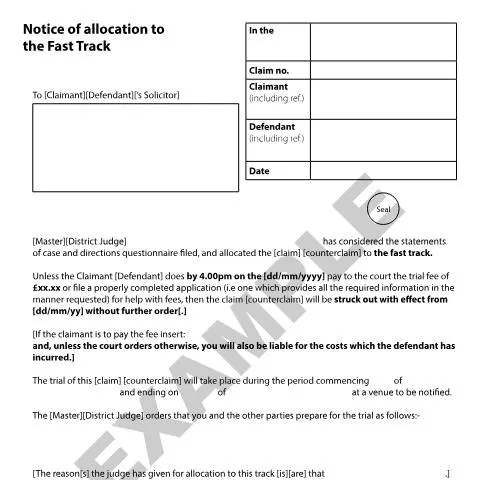
When involved in civil litigation, parties may find themselves allocated to the fast track, a streamlined process designed to expedite the resolution of certain claims. Form N154, known as the Notice of Allocation to the Fast Track, serves as a pivotal document within this framework. Its effective use is crucial in ensuring that parties understand their obligations and the implications of the court’s decisions.
The Purpose and Significance of Form N154
At the heart of Form N154 is its role in formally notifying litigants about the allocation of their case to the fast track. This document is not merely procedural; it is a critical indicator of how the court assesses the nature and complexity of a case. The allocation to the fast track generally suggests that the case is more straightforward and can be resolved within a shorter timeframe.
Why Fast Track?
The fast track is particularly relevant for claims valued between £10,000 and £25,000. This allocation aims to ensure that cases are resolved more swiftly, with a designated trial period typically set between 30 to 50 weeks from the date of allocation. The speed and efficiency of this process help alleviate the backlog within the court system, allowing parties to move forward more rapidly.
Interpreting the Directions: Key Elements of Form N154
The Notice of Allocation contains several essential instructions that parties must heed. Understanding these directions is crucial for compliance and can significantly affect the outcome of a case.
Trial Fee Payment Requirement
- The form specifies a deadline for the payment of the trial fee, which must be paid by 4:00 PM on the date indicated in the document. If the claimant fails to pay this fee or apply for fee assistance properly, the claim will be struck out.
- It’s important to note that the amount for the fee is subject to change and is defined by the current Civil Fees Order, making it essential for parties to check the latest figures.
Preparation for Trial
The document outlines the essential preparations parties must undertake leading up to the trial. This includes gathering evidence, identifying witnesses, and ensuring all necessary documentation is in order. The judge will typically provide specific reasons for the allocation, which can guide the parties’ preparations.
Understanding Strike Out Consequences
Form N154 includes a stern warning regarding the consequences of non-compliance. If a party fails to adhere to the directions set forth, any other party may apply to have their statement of case struck out. This underscores the importance of diligence in adhering to court orders.
Common Pitfalls: Misinterpreting Form N154
While Form N154 is designed to be straightforward, litigants often encounter misinterpretations that can lead to significant issues. Understanding these common pitfalls can help parties navigate the fast track more effectively.
Misunderstanding the Fee Structure
One common error lies in misunderstanding the implications of the trial fee. Some parties believe that if they settle before the trial date, they are not liable for the fee. However, unless the trial fee has been explicitly waived or not required, it remains payable.
Expectations Regarding Communication from the Court
Another frequent misconception is that the court will provide reminders regarding fee payment or the consequences of non-compliance. As noted in the document, unless an application for help with fees is submitted, there will be no further correspondence from the court, which could catch parties off guard.
Step-by-Step: Utilizing Form N154 in Practice
To effectively leverage Form N154, parties should follow a structured approach. Here’s a step-by-step guide to ensure compliance and preparation:
- Review the Document Thoroughly: Upon receiving Form N154, take the time to carefully read through all instructions. Pay close attention to deadlines and preparation requirements.
- Calculate and Prepare Trial Fee Payment: Verify the fee amount as per the latest Civil Fees Order. Ensure that the payment can be made before the deadline.
- Engage with Other Parties: If applicable, communicate with the opposing party to discuss potential agreements on evidence or witness statements to facilitate trial preparation.
- Gather Evidence: Collect all necessary documentation, including contracts, correspondence, and witness statements, to build a robust case.
- File Any Applications as Required: If you seek fee assistance, ensure that the application is filed within the stipulated timeframe and includes all necessary information.
Limits and Scope of Form N154
While Form N154 is a vital document in the fast track process, it is important to recognize its limits. The form does not address every potential scenario or concern that may arise during litigation. Understanding its scope can help set realistic expectations for parties involved.
Not a Comprehensive Legal Guide
Form N154 does not provide detailed guidance on every aspect of conducting a trial. Instead, it outlines the specific allocation of the case and essential actions required by the parties. For more comprehensive legal guidance, parties may need to consult additional resources or seek professional legal advice.
Impact of Other Documentation
Entities involved in civil litigation may receive various documents aside from Form N154, such as witness statements or expert reports. It's crucial to integrate the information from these documents with the directions provided in Form N154 to ensure a cohesive approach to trial preparation.
Additional Resources: Where to Seek Help and Information
The complexity of civil litigation can often be daunting, but various resources are available to assist litigants in understanding and navigating Form N154 and the fast track process.
Court Office and Online Resources
- Visit the court office for in-person assistance, where staff can provide guidance on the fast track process and related documentation. The office typically operates between 10 AM and 4 PM, Monday to Friday.
- Access online resources, such as leaflets explaining the fast track process, available at the HM Courts & Tribunals Service website. Searching for leaflet EX305 can provide additional insights into what to expect.
Legal Advisors and Support Organizations
For those seeking tailored advice, engaging with a legal advisor or support organization can be invaluable. These professionals can offer insights into case strategy, courtroom procedures, and paperwork, ensuring that litigants are well-prepared.
Final Thoughts on Maneuvering Through the Fast Track with Form N154
Understanding and effectively utilizing Form N154 is fundamental for any claimant or defendant entering the fast track system. By comprehensively grasping the requirements, adhering to directions, and recognizing potential pitfalls, parties can enhance their chances of a successful resolution. Remember, being proactive and informed throughout this process is essential; it not only ensures compliance with the court’s directions but also positions litigants to engage effectively with the judicial process.
Understanding the Fast Track Process
The Fast Track is a procedure in the UK civil court system designed to resolve disputes quickly and efficiently. It is primarily intended for cases with a value between £10,000 and £25,000 and is allocated to the Fast Track once the court has determined that it meets the necessary criteria. The Fast Track process is managed by the HM Courts & Tribunals Service and aims to provide a straightforward pathway for civil claims, thereby reducing the backlog of cases and ensuring quicker resolution for claimants and defendants alike.
Fill in your form directly online
No printing: type your details into the boxes of the official form, tick, then download the PDF ready to send.
- 1Type into the form boxes
- 2Tick in one click
- 3Save and download the PDF
Upon receipt of Form N154, parties involved should be aware that the Fast Track process comes with specific rules and timelines. For instance, cases allocated to the Fast Track typically require parties to engage in a case management conference, during which the judge will set out a timetable for the proceedings. This includes directions for the filing of witness statements, expert reports, and any other relevant documents. Understanding these timelines can significantly impact the outcome of a case, as missing deadlines may lead to costs sanctions or even the dismissal of a claim.
Moreover, the Fast Track process is more structured compared to the Multi-Track; for example, the trial length is capped at one day, which encourages efficiency and focus on the key issues at hand. The strict management of cases also means that parties should prepare thoroughly, as they will have limited time during the trial to present their arguments and evidence.
Potential Challenges in the Fast Track System
While the Fast Track system is designed for efficiency, it does come with its challenges. One of the most common issues faced by litigants is the strict adherence to procedural rules and timelines. As mentioned earlier, the Fast Track requires that all procedural steps are followed meticulously. For those unfamiliar with civil litigation, this can be daunting. It is vital to seek legal advice or assistance to navigate these requirements effectively.
Another challenge lies in the limited scope for presenting evidence. Due to the one-day trial cap, parties must be concise in their presentations, making it crucial to identify and focus on the most compelling evidence. This can be particularly challenging in cases where there are complex legal issues or extensive documentation. Litigants should prepare their cases with the understanding that the judge will only have limited time to consider their arguments.
Furthermore, the Fast Track process does not allow for an appeal on the substantive grounds of the case unless there has been a significant error in law. This means that even if a party feels aggrieved by the outcome, the opportunities for recourse are limited. Understanding this can help manage expectations and encourage parties to invest in proper legal representation to enhance their chances of success from the outset.
Tips for Completing Form N154 Effectively
Completing Form N154 accurately is crucial for a smooth transition into the Fast Track process. Here are several key tips to consider when filling out the form:
- Provide Clear Information: Ensure that all details entered on the form are legible and accurate. Mistakes or unclear information can lead to delays or misunderstandings. Take the time to double-check your entries before submitting the form.
- Attach Supporting Documents: If applicable, include any supporting documents that can aid your case. This may include correspondence that substantiates your claims or evidence that demonstrates the nature of the dispute.
- Check for Completeness: Make sure that you have answered all questions on the form fully. Incomplete forms may be returned, causing further delays in the process.
- Be Aware of Deadlines: Familiarize yourself with the deadlines for submitting Form N154. Missing the deadline can significantly hurt your case as it may lead to a default judgment or dismissal of your claim.
- Consider Legal Advice: If you are uncertain about any aspect of the form or the Fast Track process, it can be beneficial to seek legal advice. A qualified solicitor can guide you through the process and help you strengthen your application.
By taking these tips into account, you can enhance the effectiveness of your submission and increase the chances of your case being heard in a timely manner.