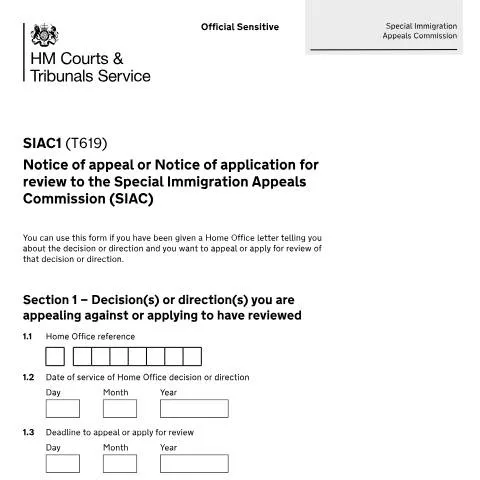
Understanding the Basis of Appeals with the Special Immigration Appeals Commission: A Guide to Form T619
Engaging with the UK immigration system can be a daunting experience, especially when faced with adverse decisions from the Home Office. The Notice of Appeal to the Special Immigration Appeals Commission (SIAC), known as Form T619, is a crucial document in this context. It serves as a means to contest decisions, providing individuals with an opportunity to present their case in a formal setting. Understanding how to navigate this process is essential for anyone who has received a decision or direction from the Home Office that they believe is unjust.
The Importance of Timeliness in Appeals
The first critical aspect to comprehend when considering an appeal to SIAC via Form T619 is the time sensitivity of the process. Timeliness is vital, as the law stipulates specific deadlines depending on your circumstances:
- If detained: 5 working days
- If in the UK: 10 days
- If outside the UK: 28 days
Failing to meet these deadlines can jeopardize your appeal, as SIAC cannot accept late submissions unless special circumstances apply. Therefore, it is imperative to act promptly and understand the implications of your timeline.
Who Can Utilize Form T619?
Form T619 is designed for individuals who have been notified by the Home Office about a decision or direction that affects their immigration status or rights. This may include asylum seekers, individuals facing deportation, or those whose applications for leave to remain have been refused. Crucially, it is not just about the appeal itself but also encompasses requests for reviews of previous decisions. Thus, understanding the distinction between appealing and reviewing is essential.
Eligibility Criteria for Appeal Submission
Before proceeding with Form T619, it’s crucial to ascertain whether you meet the eligibility criteria to appeal. Here are some questions to consider:
- Have you received a Home Office decision that you wish to contest?
- Is your appeal within the stipulated time limit?
- Are you currently in the UK or have you recently left?
If you answer 'yes' to these questions, you are likely eligible to initiate the appeal process using Form T619.
Grounds for Appeal: What to Include
Within Form T619, applicants must clearly articulate the grounds for their appeal. This section is perhaps the most crucial, as it lays the foundation for your case. Engaging with the specifics of your situation and the decision made by the Home Office is key. Here are essential points to consider:
Detailing Your Grounds- Identify the decision being appealed and the reasons you disagree with it.
- Highlight any relevant evidence or documentation that supports your case.
- Refer to specific paragraphs of the refusal letter to substantiate your claims.
Moreover, if there are elements of your case that were not adequately addressed in the refusal, it’s critical to mention these. The more detailed and specific your appeal is, the better the chances of success.
Judicial Review Principles
When applying for a review, it’s important to note that SIAC will apply judicial review principles. This means that your appeal will be assessed not merely on the facts but also on whether the original decision was made lawfully and fairly. Understanding this legal standard can assist in shaping your arguments effectively.
Managing Representative Engagements
For many appellants, the complexities of the immigration system necessitate the involvement of a legal representative. If you have a solicitor or an immigration advisor, it’s vital to ensure that they are well-informed and active in your appeal process. Form T619 provides space for representatives to enter their details, streamlining communication with SIAC.
Communicating with Your Representative
Maintaining clear correspondence with your representative is essential. Any changes to your contact details or any new developments in your case should be communicated immediately. Remember, documents regarding your appeal will be sent to the address provided for your representative until notified otherwise.
Dealing with Late Appeals: Special Considerations
In the event of a late appeal, applicants must provide comprehensive reasoning to justify the delay. This section of Form T619 demands careful consideration, as SIAC has the discretion to allow late appeals only in cases of exceptional circumstances. The following aspects should be addressed:
- Explain the circumstances that led to the late submission.
- Provide supporting evidence, if available, to enhance your credibility.
- Understand that late submissions are rigorously scrutinized.
Time Limits and Their Implications
| Situation | Time Limit |
|---|---|
| In detention | 5 working days |
| In the UK | 10 days |
| Outside the UK | 28 days |
Understanding these timelines can help manage your expectations and affect the strategy surrounding your appeal.
The Limitations of the Notice of Appeal
While Form T619 is a powerful tool in contesting Home Office decisions, it is not without its limitations. Recognizing these boundaries is crucial for formulating realistic expectations about the appeal process. Key points include:
- The appeal is limited to the grounds set out in the application – new evidence may not be admissible unless you obtain permission from SIAC.
- Not all decisions are subject to appeal to SIAC; certain decisions may be addressed through other legal avenues.
- The focus of the appeal will be on procedural fairness and the legality of the decision rather than re-examining all facts presented in the original case.
Interpreting the Decision from SIAC
Upon conclusion of the appeal, SIAC will issue a decision which can either uphold the original decision, overturn it, or remit the case back to the Home Office with directions. Understanding the nuances of this decision is vital, as it can dictate the subsequent steps available, including the possibility of further legal recourse or re-applying for immigration relief.
Navigating the Appeal Process: A Step-by-Step Approach
Successfully appealing with Form T619 entails a methodical approach. Here’s a structured pathway to consider when preparing your appeal:
- Review the Home Office Decision: Carefully analyze the decision letter, identifying key points of contention.
- Gather Evidence: Compile supporting documents and evidence that reinforce your case.
- Complete Form T619: Fill in the necessary sections accurately, ensuring clarity in your grounds for appeal.
- Submit Your Appeal: Ensure your appeal is submitted within the designated time frame and confirm receipt by SIAC.
Each step requires attention to detail and a sincere effort to understand the legal underpinnings that inform your appeal. Engaging with legal representation can significantly assist in this process, providing expertise and guidance tailored to your unique situation.
Preparing for the Hearing: Essential Tips
Once your appeal is accepted, a hearing will typically be scheduled. Preparing for this hearing is a pivotal part of the process. Here are some strategies to enhance your readiness:
Key Preparation Strategies- Review your appeal: Familiarize yourself with your written submissions and the evidence you provided.
- Consider witnesses: If applicable, identify and prepare any witnesses who can support your claims during the hearing.
- Arrange for interpreters: If language barriers exist, ensuring access to an interpreter can be vital for clear communication during the hearing.
Remember, the hearing is an opportunity to present your case in person. Articulating your arguments clearly and confidently will be essential to influencing the outcome positively.
Conclusion: Empowering Yourself Through Knowledge
Accessing the SIAC appeal process using Form T619 represents a powerful mechanism for individuals contesting adverse immigration decisions. By understanding the nuances of the process—including timelines, grounds for appeal, and the importance of legal representation—appellants can navigate this complex landscape more effectively. Remember, being informed and prepared is your best strategy for pursuing a successful appeal.
Fill in your form directly online
No printing: type your details into the boxes of the official form, tick, then download the PDF ready to send.
- 1Type into the form boxes
- 2Tick in one click
- 3Save and download the PDF
Understanding the Grounds for Appeal in Immigration Cases
When filing a Notice of Appeal to the Special Immigration Appeal Commission (SIAC) using Form T619, it is essential to clearly articulate the grounds on which the appeal is based. Understanding the different categories of appeal grounds can significantly affect the success of your case. Generally, appeals may be based on issues such as erroneous findings of fact, misapplication of law, or procedural irregularities during the initial determination.
For example, if you believe the Home Office failed to consider crucial evidence that could have influenced the decision, this can form a solid basis for your appeal. You should thoroughly document and clearly present any new evidence or arguments that were not adequately considered by the original decision-makers. It is highly recommended to consult with legal professionals specializing in immigration law to refine your arguments and ensure they align with the legal standards expected by SIAC.
Additionally, cases involving national security, deportation, or asylum may have specific criteria for appeal. Understand that the courts often require a rigorous threshold for such appeals, necessitating a robust presentation of evidence and legal precedents that support your claims. This complexity underscores the importance of being well-prepared and informed about the nature of your appeal.
The Process of Submitting Form T619
Submitting Form T619 to the Special Immigration Appeal Commission involves several critical steps that must be followed meticulously. After completing the form accurately, you should ensure that all necessary supporting documents are compiled. This may include identification documents, previous correspondence with the Home Office, and any relevant evidence or witness statements that bolster your appeal.
Once your documentation is ready, it must be submitted within the specified time frame outlined in the initial decision. Typically, you have a limited period to lodge your appeal, often within 14 days of receiving the decision you are contesting. Late submissions may result in your appeal being dismissed, so adhere strictly to deadlines.
After submission, you will receive an acknowledgment from SIAC, confirming the receipt of your appeal. It is advisable to keep copies of everything submitted for your records. Following this, you may be required to attend a hearing where you can present your case verbally. Understanding the protocols for these hearings, including any rules regarding evidence presentation and witness testimony, is crucial for effective advocacy.
Legal Representation and Support for Your Appeal
Legal representation plays a pivotal role in the success of your appeal to SIAC. While it is possible to represent yourself, the complexities involved in immigration law and the specifics of the appeals process often necessitate the expertise of a qualified solicitor or barrister who specialises in immigration matters. They can provide invaluable guidance on formulating your appeal, crafting legal arguments, and representing you effectively during hearings.
When selecting a legal representative, consider their track record with SIAC cases and their familiarity with the nuances of immigration law, particularly concerning national security issues or other sensitive matters. Many legal aid options may be available depending on your financial situation and the nature of your case. Apply for help with legal costs as soon as possible, as this may take time to organize and approve.
Furthermore, various charitable organizations and support networks exist within the UK that assist individuals navigating the appeals process. These organizations can offer practical advice, support in completing forms, and insights into the legal system as it pertains to immigration matters. Engaging with these resources can enhance your understanding and preparedness as you move forward with your appeal.