Navigating Legal Waters: Your Guide to the N244 Regional Commercial Court Application Notice
When you find yourself needing to engage with the Regional Commercial Court, understanding the intricacies of the N244 application notice is crucial. This document serves as a vital gateway for parties wishing to seek an order from the court, addressing specific issues that may arise during a case. To effectively navigate the legal landscape, let’s delve deeper into the components of this application notice, how to utilise it, and what considerations to keep in mind throughout the process.
Understanding the N244 Application Notice
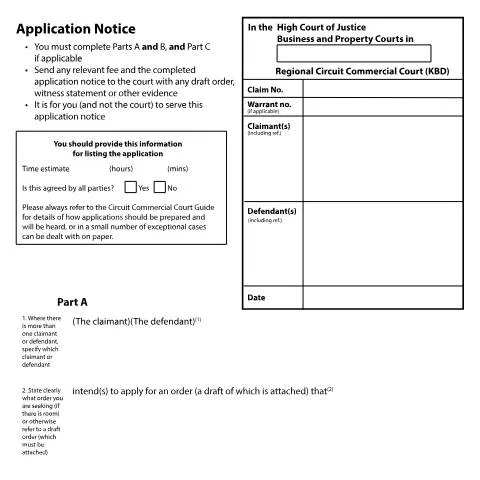
The N244 application notice, formally known as "Apply to the Regional Commercial Court for an order," is pivotal for those involved in litigation within the Commercial Court framework. It is essential to grasp the context and functionality of this document, as it encapsulates your intent to request a court order.
The Purpose of the N244
At its core, the N244 is designed to facilitate the initiation of applications to the court. Whether seeking an interim order or requesting the court to compel a party to act, this notice outlines your specific requirements. The notice must clearly articulate:
- The order sought: Explicitly describe the nature of the order you are requesting.
- Justification: Provide a brief yet substantial explanation for your request, including references to any pertinent rules or statutory provisions.
- Claimant and Defendant Details: Accurately identify all parties involved in the application.
Filling Out the N244: Parts A, B, and C
The N244 consists of three primary parts, each requiring careful consideration:
- Part A: This section captures essential information about the claimants and defendants involved, including contact information and a brief explanation of the intended order.
- Part B: Here, applicants indicate the evidence they wish to rely upon, which could encompass witness statements, affidavits, or a statement of case.
- Part C: Reserved for additional evidence, this part can be utilised when it's more convenient to present evidence directly rather than through separate documents.
Key Considerations Before Submitting Your Application
Prior to submitting your N244 application, there are several crucial aspects to ensure a smooth process:
Understand the Applicable Fees
Before submitting your application, ascertain the fees associated with the N244. Fees can vary based on the nature of the application and whether you are exempt from court fees, so checking the latest fee schedules with HM Courts & Tribunals Service (HMCTS) is advisable.
Timing and Deadlines
Timing can significantly affect the success of your application. Be aware that the application notice must be submitted within relevant timelines associated with your case. Also, anticipate potential delays in court processing, especially if your application coincides with busy court schedules.
Service of the Application Notice
It is your responsibility to serve the completed application notice to the necessary parties. Proper service ensures all involved parties are aware of your application, thus maintaining transparency and fairness in the judicial process.
What the N244 Does Not Cover
While the N244 serves as a comprehensive application notice for specific orders, it is essential to comprehend the limitations of this document:
Scope of Use
The N244 is tailored to the Regional Commercial Court and may not be suitable for other court applications. If your matter falls under a different jurisdiction, you must seek the appropriate application notice for that court.
Inherent Limitations of Applications
Not all applications are guaranteed success. The court has discretion over whether to grant the orders sought, and applicants must be prepared for the possibility of refusal based on the merits of their case and the evidence presented.
Interrelation with Other Court Documents
In the context of your application, it’s paramount to understand how the N244 interacts with other court documents. Here’s how:
Draft Orders and Supporting Evidence
When submitting the N244, it's often necessary to include a draft order that outlines the specific relief you are requesting from the court. This document must be clear and precise to ensure the judge understands your expectations. Additionally, providing supporting evidence, such as witness statements, bolsters your case and offers context to the court regarding your application.
Correspondence with the Court
When corresponding with the court, always address your communications to the court manager and reference your claim number. This practice aids in the tracking and management of your case, ensuring that all parties involved are adequately informed throughout the process.
Practical Steps for a Successful N244 Application
To increase the likelihood of a successful application, follow these practical steps:
- Thoroughly Review Guidance: Familiarise yourself with the Circuit Commercial Court Guide for detailed instructions on preparing and submitting applications.
- Compile Comprehensive Evidence: Ensure any evidence you provide is robust and directly related to your application, supporting your claims effectively.
- Double-Check Submission Requirements: Verify that all necessary sections of the N244 are completed and accurate before submission, as incomplete applications may lead to delays.
- Prepare for Hearing: If your application proceeds to a hearing, be ready to articulate your reasons and respond to queries from the judge or opposing party.
Challenges Often Encountered in N244 Applications
While navigating the application process, applicants may face various challenges. Being aware of potential pitfalls can aid in better preparation.
Inadequate Justification for Orders
A common issue is failing to provide sufficient justification for the sought order. It’s crucial to articulate clearly why the order is necessary, backed by legal precedents, if possible. Lacking a solid rationale can lead to a swift rejection of the application.
Failure to Follow Court Protocols
Each court has specific protocols that must be adhered to. Familiarising yourself with these protocols, particularly those outlined in the Circuit Commercial Court Guide, mitigates the risk of procedural errors that could jeopardise your application.
Final Thoughts on the N244 Application Notice
The N244 application notice is a potent tool within the Regional Commercial Court. Proper understanding of its components, alongside a strategic approach to its application, can significantly influence the outcomes of your legal endeavours. By approaching the document with diligence and clarity, you position yourself better for navigating the complexities of court procedures and achieving the desired outcomes.
Understanding the Application Process for the Regional Commercial Court
When applying to the Regional Commercial Court (RCC) for an order through an application notice (form N244), it is crucial to understand the procedural nuances. The RCC is specifically designed to handle complex commercial disputes efficiently, and the application process is tailored to ensure that parties can submit their cases in a structured manner. Familiarizing yourself with the application process can significantly impact the outcome of your case.
Fill in your form directly online
No printing: type your details into the boxes of the official form, tick, then download the PDF ready to send.
- 1Type into the form boxes
- 2Tick in one click
- 3Save and download the PDF
The first step typically involves preparing your application notice (N244) along with supporting documentation that outlines the grounds for your application. This documentation must be thorough, as it serves as the foundation of your argument before the court. It is advisable to include detailed particulars of the case, relevant facts, and any supporting evidence that substantiates your claims. Make sure to adhere to the guidelines set out in the Criminal Procedure Rules, as the court expects a high standard of presentation and accuracy.
Once you have completed the application notice, you must file it at the appropriate court office. This requires not only the completed N244 form but also the payment of the required court fee. As of recent updates, the fee for filing an N244 is subject to change, so check the HM Courts & Tribunals Service website to confirm the current fee. Remember that failure to pay the correct fee may delay your application or result in rejection.
After filing, the court will issue a notice that informs you of your application’s progress, including any dates for hearings. If the application is contested, it is essential to prepare for a hearing where all parties can present their arguments. This is an opportunity to clarify your position and address any objections raised by the opposing party. Ensure you have all necessary documentation ready, including witness statements and expert reports, if applicable.
Key Considerations for Drafting Your Application Notice (N244)
Drafting your application notice (N244) requires careful consideration of several factors to ensure that it meets the specific requirements of the Regional Commercial Court. Here are some key points to keep in mind:
- Clarity and Conciseness: The RCC prioritizes clear and concise submissions. Aim to articulate your application in plain English, avoiding legal jargon unless absolutely necessary. This not only aids comprehension but also demonstrates respect for the court's time.
- Legal Grounds: Clearly specify the legal basis for your application, including any relevant laws, regulations, or precedents that support your case. This section is critical, as it forms the legal foundation of your arguments.
- Practical Relief Sought: Indicate precisely what you are asking the court to do. Whether it's seeking an injunction, specific performance, or another type of order, clarity in your request helps the judge understand your objectives.
- Supporting Evidence: Attach any necessary documentation that strengthens your case. This may include prior correspondence, contracts, or expert testimony. Ensure that all exhibits are clearly numbered and referenced in your application notice.
- Timeliness: Ensure your application is filed within any stipulated timeframes. The RCC operates under strict deadlines, and late submissions can jeopardize your case.
By taking these considerations into account, you can enhance the effectiveness of your application notice, helping to ensure that your case receives the attention it deserves.
Responding to an Application Notice: What to Expect
Receiving an application notice (N244) against you in the Regional Commercial Court can be a daunting experience. However, understanding the process of responding effectively is crucial for safeguarding your interests. The initial step is to carefully review the application notice to understand the claims made against you. Take note of the legal grounds and the relief sought by the applicant, as this will guide your response.
In your response, you will need to prepare a detailed counter-argument. This could involve filing a separate form (N244A for defendants) where you will outline your objections to the application. It's important to approach this with a strategic mindset, addressing each point raised by the applicant. Considerations might include facts that contradict their claims, legal arguments that undermine their position, or highlighting procedural errors in their application.
Once your response is drafted, it should be filed at the court and served to the applicant, ensuring that you follow the stipulated timelines for responses. Typically, the court will schedule a hearing where both parties can present their arguments. This is your opportunity to provide a robust defense against the application, so thorough preparation is essential.
Finally, consider seeking legal advice or representation, particularly if the matter is complex or the potential consequences are significant. A qualified solicitor with experience in commercial litigation can provide invaluable assistance in navigating the technicalities of the RCC process and in strengthening your case.