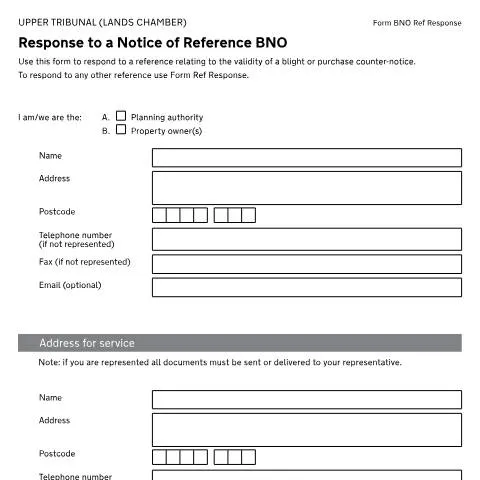
Understanding the Context of Form T375: A Vital Step in Land and Property Disputes
When dealing with land and property disputes in the UK, particularly those concerning the validity of a blight notice or a purchase counter-notice, understanding the procedural aspects associated with Form T375 becomes crucial. This document is not merely a formality; it represents a fundamental tool for individuals and authorities involved in such disputes to articulate their positions effectively. The notice of reference is a significant point of contention, which necessitates a thoughtful response to ensure that all parties' rights and interests are adequately represented and protected.Who Needs to Engage with Form T375?
Utilizing Form T375 is essential for two primary groups: planning authorities and property owners. Each group brings a unique perspective to the disputes that arise from notices of reference related to blight or purchase counter-notices.1. Planning Authorities
For planning authorities, responding to a notice of reference is part of their obligation to uphold public policy and ensure that local planning decisions align with broader regulations. Engaging with Form T375 allows them to contest the validity of a reference and assert their stance on matters involving public land use.2. Property Owners
Property owners, on the other hand, may find themselves responding to claims that affect their property rights and interests. When a blight notice is issued, property owners must respond appropriately to preserve their entitlement to fair treatment. Form T375 enables them to present their arguments regarding the validity of the notice and any associated claims.Key Components of Form T375: Insights and Interpretations
Form T375 comprises several sections, each designed to gather essential information and facilitate the proper processing of the notice of reference. Understanding these components can help parties avoid common pitfalls and enhance their responses.1. Personal and Contact Information
Every response begins with accurate personal and contact information for both the individual responding and any representatives involved in the case. This section is critical, as incorrect details can lead to delays and miscommunication.2. Declaration of Intent
The form requires respondents to indicate whether they intend to contest the reference. If the answer is 'no,' a document explaining the reasons must be attached. It is important to approach this declaration thoughtfully—those who refrain from responding without a valid explanation may forfeit their rights in the proceeding.3. Expert Witnesses and Evidence Requirements
The option to call an expert witness is a pivotal aspect of Form T375. Respondents should carefully consider whether their case would benefit from expert testimony. The tribunal requires prior permission if more than one expert is to be called, ensuring procedural efficiency.Navigating the Procedural Maze: Timing and Extensions
Timeliness is of the essence when responding to any legal notice, and Form T375 is no exception. The tribunal expects respondents to adhere to specific timelines, which can vary based on the circumstances of each case.1. Submission Deadlines
One of the critical components involves submitting the notice of reference within one month of receiving it. Failing to do so can result in the loss of the opportunity to contest the claim.2. Requesting Extensions of Time
In certain situations, respondents may find it necessary to seek an extension of time to file their responses or supporting documents. Form T375 enables this request, provided that the reasons for the extension are articulated clearly. The fee for this request is currently £125, which must be included with the application.Interconnection with Other Tribunal Processes
Form T375 does not exist in isolation. Its role is closely tied to other processes within the HM Courts & Tribunals Service, particularly those concerning land tribunal proceedings. Understanding these interconnections can provide invaluable context for respondents.1. Case Management Procedures
The tribunal has established specific case management procedures to streamline the process. The guidance note that accompanies Form T375 outlines these procedures, and respondents are encouraged to refer to these resources for clarity on potential timelines and expectations.2. Simplified Procedures for Expedited Cases
For straightforward cases, the tribunal offers a simplified procedure. The benefits of opting for this route include reduced cost and time, appealing to those involved in smaller disputes or cases without complex legal issues. However, parties must ensure that they have the consent of all involved to utilize this procedure.Practical Steps for Leveraging Form T375 Effectively
Responding to a notice of reference using Form T375 can be a daunting task, but taking strategic steps can help streamline the process and bolster the effectiveness of a response.1. Gather Supporting Documentation
Before filling out Form T375, respondents should assemble all relevant documentation that supports their case. This may include previous correspondence, legal documentation related to the property, and any evidence backing their position.2. Engage with Legal Representatives
For those who feel overwhelmed or uncertain, engaging with legal representatives who specialize in land and property law can be invaluable. They can provide insights into how to formulate a compelling response and navigate the complexities of the tribunal process.3. Maintain Clear Communication with the Tribunal
Once Form T375 is submitted, maintaining open lines of communication with the tribunal is essential. Respondents should be prepared to respond promptly to any requests for additional information or clarification.Limitations of Form T375: A Candid Reflection
While Form T375 is a critical tool in addressing land dispute matters, it has its limitations and doesn't cover every possible scenario.1. Scope of Response
Form T375 is specifically designed for responding to references regarding blight or purchase counter-notices. Therefore, individuals facing other types of disputes must seek alternate routes or forms tailored to their particular situations.2. Not a Substitute for Legal Advice
Completing Form T375 without appropriate legal guidance can lead to misinterpretations of the law or procedural requirements. There are nuances in land law that may not be fully addressed in the form, making it essential to consider professional input.Final Considerations: Making Your Response Count
Ultimately, the effective use of Form T375 hinges on understanding its nuances and the broader procedural landscape it operates within. As property owners or planning authorities engage with this document, they must approach each section with careful consideration and a strategic mindset. Fostering clarity, precision, and thoroughness in every submission will not only aid in presenting a strong case but also uphold the integrity of the land tribunal process. The stakes are high, and a well-crafted response using Form T375 can play a vital role in determining the outcome of land and property disputes.Understanding the Blight Notice Process
The blight notice process is initiated when a property owner faces potential compulsory purchase due to public projects or infrastructure development. A blight notice, which can be issued under the Town and Country Planning Act 1990, is a critical mechanism that allows property owners to seek compensation if their property value is adversely affected by proposed developments.
Understanding the implications of a blight notice is essential for any property owner. The notice provides specific grounds on which a claim can be made, which typically includes the impact on property value and the extent to which the proposed project affects the owner's ability to sell or develop the property. When a blight notice is received, it is crucial to analyse the reasons provided and gather supporting evidence that may validate or challenge the claims presented in the notice.
In situations where a property owner disagrees with the blight notice, it is possible to respond with a counter-notice. This counter-notice process is governed by specific regulations and must be conducted within strict timelines. Ensuring that all documentation is accurate and submitted in accordance with regulatory requirements is vital for a successful challenge.
Steps to Responding to a Purchase Counter Notice
Responding to a purchase counter notice, especially when considering the complexities involved, requires a methodical approach. Here is a step-by-step guide to navigate the process effectively:
- Assess the Counter Notice: Review the counter notice to understand the grounds upon which it has been issued. It should outline the reasons for the authority's decision regarding the blight and the proposed purchase. Pay close attention to deadlines for response and any specified requirements that must be met.
- Gather Evidence: Collect all relevant documentation that may support your position. This includes property valuations, evidence of market conditions, and any correspondence with local authorities regarding the development proposal. Evidence is crucial in substantiating your claims and may include expert reports or assessments from qualified professionals.
- Prepare Your Response: Draft a comprehensive response that addresses each point raised in the counter notice. Ensure that your arguments are clear, logical, and supported by your evidence. If necessary, consult with legal professionals who specialize in property law to ensure that your response is robust and viable.
- Submit the Response: Once your response is complete, ensure that it is submitted within the stipulated timeframe. Retain copies of all documents submitted as well as confirmation of delivery, whether by post or electronically, as proof of compliance. Different local authorities may have varying submission preferences, so check their guidelines carefully.
- Follow Up: After submitting your response, keep in regular contact with the authority handling your case. Be proactive in following up to ensure that your response has been received and is being reviewed. This can help address any potential issues early in the process.
Legal Considerations and Implications of Blight Notices
It is essential to be aware of the legal framework surrounding blight notices and the associated implications for property owners. Under the Data Protection Act 2018 and the UK GDPR, property owners' personal data must be handled appropriately during the blight notice process, especially when submitting evidence or responding to notices. This means that any sensitive information should be shared judiciously, and it may be prudent to anonymise data where feasible.
Furthermore, property owners should be aware of their rights regarding compensation for loss of value due to blight. If a blight notice leads to a compulsory purchase order, owners may be entitled to compensation based on the market value of their property at the time of the notice. Understanding the nuances of compensation claims is vital, as factors such as market trends and property improvements can influence the final compensation package.
Fill in your form directly online
No printing: type your details into the boxes of the official form, tick, then download the PDF ready to send.
- 1Type into the form boxes
- 2Tick in one click
- 3Save and download the PDF
Another crucial consideration is the ability to negotiate with the local authority. If you believe that the blight notice is unjustified or that compensation offered does not reflect the true market value of your property, it may be possible to negotiate terms directly with the authority. Legal advice can be invaluable in these negotiations, particularly in understanding the potential outcomes and ensuring that your rights are protected throughout the process.