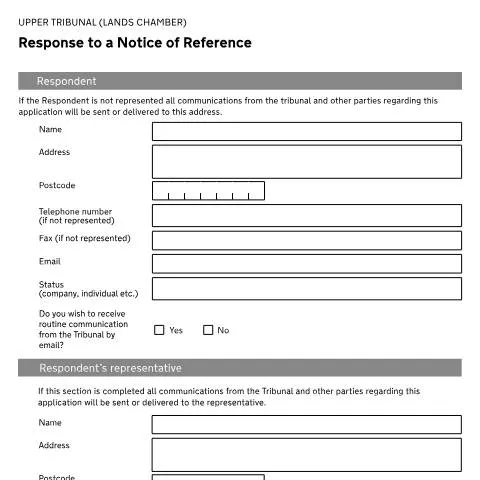
Navigating the Upper Tribunal: Insights into Form T373
When faced with legal proceedings in the United Kingdom's Upper Tribunal (Lands Chamber), understanding the intricacies of the various forms and notices is crucial. Among these documents, Form T373, titled “Respond to a Notice of Reference,” plays a significant role in the procedural landscape. This guide is designed to unpack the structure, relevance, and effective usage of Form T373, ensuring respondents can navigate the tribunal process with greater confidence.
Understanding Form T373: Its Core Elements
At its essence, Form T373 is a communication tool that parties use to respond when a Notice of Reference has been filed against them. This document encapsulates critical information about the respondent's details, intentions regarding expert witnesses, and procedural preferences. It is imperative to grasp these elements to ensure correct submission and adherence to tribunal protocols.
Key Components of the Document
- Respondent Information: The form requires comprehensive details about the respondent, including their name, address, and contact methods. This information is vital as it determines where correspondence from the tribunal will be sent.
- Expert Evidence: Respondents must indicate if they intend to call expert witnesses and, if so, provide their details. This is crucial for the tribunal to assess the type of evidence that will be presented.
- Procedural Preferences: Various procedural options are available, such as standard, simplified, or special procedures. Selecting the appropriate procedure can significantly influence the speed and manner in which the case is resolved.
Decoding the Procedural Options: Choosing Wisely
The tribunal's procedures are not one-size-fits-all; hence, understanding the distinctions among them is vital for an effective response.
Types of Procedures Explained
- Simplified Procedure: Ideal for cases with minimal complexity, this route promises a speedy resolution, typically culminating in a single-day hearing. It allows parties to represent themselves and limits formalities, making it suitable for lesser stakes.
- Written Representations Procedure: This option allows the tribunal to make a decision based solely on submitted documents without an oral hearing. It's crucial for cases where costs need to be minimized.
- Special Procedure: For complex cases needing detailed case management, this route involves an early hearing to set directions, ensuring thorough oversight. It’s suited for matters with broader implications or significant sums at stake.
Choosing the right procedure impacts not only the timeline of the case but also the strategic approach to be employed by the respondent. Each option embodies distinct characteristics and should align with the respondent's circumstances and objectives.
Critical Misinterpretations: Avoiding Common Pitfalls
While responding to a Notice of Reference via Form T373 might seem straightforward, common misinterpretations can lead to procedural missteps. Awareness of these pitfalls can ensure a more effective engagement with the tribunal.
Common Misconceptions
- Assuming Automatic Representation: Many respondents mistakenly believe that submitting the form substitutes for professional representation. It’s essential to clarify if legal advice or advocacy is required.
- Procrastination in Submission: Respondents must be vigilant regarding deadlines. Failing to submit the completed Form T373 within the stipulated timeframe can jeopardize their case.
- Overlooking Expert Witness Requirements: If planning to call expert witnesses, respondents must ensure their expertise aligns with the case's needs. Incorrectly identifying or failing to secure suitable experts can weaken the overall case.
How to Effectively Engage with the Tribunal
Engagement with the tribunal involves more than simply submitting Form T373. A proactive approach can enhance the respondent's position and ensure a smoother process.
Steps to Follow After Submission
- Tracking Your Case: After submitting the form, respondents can utilize the E-Filing service to monitor updates and manage documents digitally.
- Maintaining Communication: Keeping an open line with the tribunal is essential. Respondents should ensure all communications reference the tribunal’s case number for clarity.
- Preparedness for Hearings: If a hearing date is set, respondents should prepare thoroughly, including gathering evidence and witness testimonies, to present a strong case.
The Integral Role of Supporting Documents
Form T373 is often just one part of a broader documentation strategy in tribunal proceedings. Understanding what supporting documents are required can streamline the process significantly.
Necessary Supporting Documents
| Document | Description | Requirement |
|---|---|---|
| Statement of Case | A detailed account of the case, outlining key facts and legal arguments. | Mandatory if filing a response. |
| Authority to Act | If a representative is designated, this document must confirm their authority. | Required for non-solicitor representatives. |
| Expert Witness Details | Information regarding any expert testimony intended to be used. | Necessary if applicable. |
Ensuring that all relevant documents accompany the response can significantly affect the tribunal's approach to the case and aid in expediting the process.
Public Profile: Identifying the Stakeholders
Recognising who is involved in the tribunal process can illuminate the stakes and broad implications of Form T373. Understanding the audience can enhance one's engagement strategy.
Who Engages with Form T373?
- Respondents: Individuals or companies who are directly involved in the case and required to respond to the Notice of Reference.
- Legal Representatives: Solicitors, barristers, or other professionals who may act on behalf of the respondent, ensuring that legal rights are upheld.
- Tribunal Officials: Judges and administrative staff who process the case, make determinations, and facilitate hearings.
The dynamics between these parties can influence the outcome of the tribunal process. Understanding the roles and perspectives of each stakeholder can aid in formulating a more comprehensive response strategy.
Exploring the Limits of Form T373
While Form T373 is a key document in responding to a Notice of Reference, it is essential to appreciate its limitations and the broader legal framework within which it operates.
What Form T373 Does Not Cover
- Substantive Legal Arguments: The form itself does not provide a platform for detailing legal arguments; that is reserved for the accompanying Statement of Case.
- Dispute Resolution: Form T373 does not facilitate direct mediation or resolution of disputes; it is merely a procedural document.
- Final Outcomes: The form does not determine the outcomes of the case; it is the tribunal's responsibility to assess evidence and make decisions based on the merits of the case presented.
By understanding these limitations, respondents can adopt a more nuanced approach to their case management, ensuring that they do not overly rely on any single document but rather approach their case holistically.
In conclusion, engaging with Form T373 and the Upper Tribunal requires a nuanced understanding of the procedural landscape, clear communication, and meticulous preparation. Armed with this knowledge, respondents can navigate the complexities of tribunal proceedings with greater assurance and effectiveness.
Understanding the Notice of Reference: What It Means for You
Receiving a Notice of Reference (Form T373) can be both confusing and concerning. This notice usually indicates that a tax matter involving your income or National Insurance contributions has been referred to a tribunal for review. The HM Courts & Tribunals Service handles these references, and understanding the implications is vital for your compliance and future dealings with HMRC.
A Notice of Reference may arise from several circumstances, such as disagreements over self-assessment tax returns, disputed tax credits, or appeals against decisions made by HMRC. Typically, this notice will provide you with specific details about the case, including the reason for the reference, deadlines for responding, and any actions you need to take.
It’s critical to read the notice carefully. The information contained within it can help clarify the issues at stake and guide you in preparing your response. If you do not understand the notice, consider seeking professional advice as inaccuracies in your response can negatively impact your case.
One essential aspect to note is the timeline. You must respond to the Notice of Reference promptly. Missing the deadline could jeopardize your position, possibly resulting in the tribunal making a decision without input from you. Therefore, after assessing the notice, ensure that you set a clear timeline for responding accordingly.
Preparing Your Response: Key Steps and Considerations
When preparing your response to a Notice of Reference, several key steps can facilitate a comprehensive submission. Firstly, gather all relevant documentation related to the matter at hand. This may include previous tax returns, correspondence with HMRC, and any evidence that supports your position. Adequate evidence is crucial, as it provides the tribunal with a clear understanding of your case.
Fill in your form directly online
No printing: type your details into the boxes of the official form, tick, then download the PDF ready to send.
- 1Type into the form boxes
- 2Tick in one click
- 3Save and download the PDF
Next, consider the specifics of the dispute. What are the points of contention? Are there discrepancies between your records and HMRC's data? Document these discrepancies clearly and rationally. When structuring your response, it is often best to outline each point of disagreement, followed by your argument and supporting evidence. This method presents a clear narrative that the tribunal can easily follow.
Another consideration is your tone and language. While it is essential to be formal, it is equally important to communicate in plain English, minimising jargon wherever possible. The tribunal staff are experienced but may not have intricate knowledge of your particular circumstances. Therefore, clear and concise language can significantly improve the comprehension of your arguments.
Lastly, if your case is particularly complex or involves significant sums, consider seeking assistance from a tax advisor or legal professional. They can provide insights and help ensure that your response is both comprehensive and properly formatted, adhering to all procedural requirements.
Common Mistakes to Avoid When Responding to Form T373
When you receive a Notice of Reference (Form T373), it’s natural to feel overwhelmed. However, it’s crucial to avoid common pitfalls that could hinder your case. Here are some frequent mistakes to watch out for:
One major mistake is failing to respond within the stipulated timeframe. As mentioned earlier, missing deadlines can severely restrict your options. Ensure that you mark your calendar and set reminders to stay on track.
Another common error is submitting incomplete information. Ensure that all relevant documents are included with your response. If you rely on HMRC's figures, double-check for discrepancies. If you believe that the figures presented by HMRC are incorrect, provide your calculations and supporting documents to substantiate your claims.
Moreover, a lack of clarity in your communication can also be detrimental. Avoid vague language or general statements. Instead, be specific about what you are contesting, and ensure that each point is backed by evidence. This not only strengthens your position but also aids the tribunal in understanding your perspective.
Lastly, do not overlook the importance of keeping copies of everything you submit. This not only serves as a record for you but is also vital if there's a need for follow-up communication or appeals. Keeping organized, thorough records will streamline your response process and lend credibility to your case.