Understanding the NIPF 6b Form: Power of Attorney in Cases of No Will (Intestate) in Northern Ireland
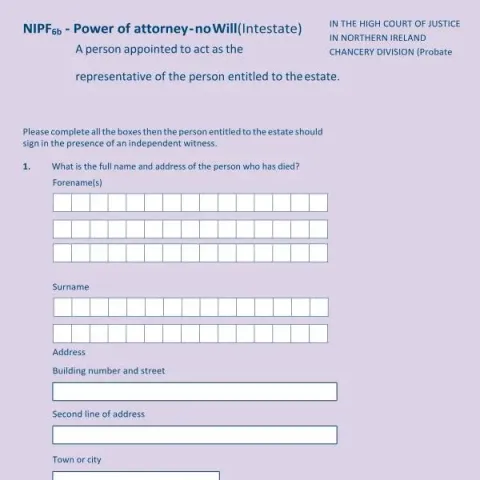
The NIPF 6b form is an official document used within the probate process in Northern Ireland, specifically when an individual passes away without leaving a valid will (intestate). This form is essential for appointing a representative—known as an attorney—to manage the deceased’s estate. It is issued by the High Court of Justice in Northern Ireland, Chancery Division (Probate), and serves to facilitate the legal transfer of assets when there is no testamentary documentation.
Purpose and Scope of the NIPF 6b Form
The primary objective of the NIPF 6b is to designate a person or trust corporation to act on behalf of the estate’s entitled individuals. This is particularly important when the estate is to be administered without a will, and the legal authority must be established through court proceedings. The form ensures that the appointment of the attorney is properly documented, providing a clear legal basis for their actions in managing and distributing the estate according to statutory rules.
Who Should Complete the NIPF 6b Form?
This form should be completed by the person who is entitled to the estate, typically a close relative or legal representative, who is seeking to appoint an attorney to handle estate matters. It is relevant for individuals involved in the administration of an intestate estate, especially where the estate is complex or where legal authority needs to be formally recognised by the court.
Step-by-Step Guide to Completing the Form
1. Details of the Deceased
Begin by providing comprehensive information about the person who has died:
- Full name: Include all forenames and surname.
- Address at time of death: Specify building number, street, town or city, and optional details such as county and country.
- Date and place of death: Accurate dates are crucial for legal records.
- Age at death: Provide the age to assist in estate valuation and legal processing.
- Marital status: Indicate whether the deceased was married, divorced, widowed, or single.
2. Details of the Person Entitled to the Estate
Next, the form requires information about the individual or entity entitled to the estate:
- Name and address: Full details of the beneficiary or legal representative.
- Relationship to the deceased: Clarify the familial or legal connection.
- Entitlement status: Confirm whether the person is the sole entitled individual or one among several.
3. Appointment of the Attorney
The applicant must nominate the attorney who will act on behalf of the estate:
- Full name or Trust Corporation: Provide the legal name of the individual or corporate entity.
- Address: Complete address details, including street, town, and postcode.
This section formalizes the appointment, enabling the attorney to undertake necessary legal actions concerning the estate.
Legal and Procedural Considerations
Once the form is completed, the person entitled to the estate must sign it in the presence of an independent witness. This step ensures the authenticity of the appointment and complies with legal requirements. The witness must be impartial and not related to the applicant or the deceased.
Submitting the NIPF 6b form is typically part of the probate application process, which may involve additional documentation and court fees. It is advisable to consult with a solicitor or legal advisor experienced in Northern Ireland probate law to ensure proper completion and submission.
Fill in your form directly online
No printing: type your details into the boxes of the official form, tick, then download the PDF ready to send.
- 1Type into the form boxes
- 2Tick in one click
- 3Save and download the PDF
Submission and Follow-Up
The completed form can be submitted to the appropriate court office handling probate matters. After submission, the court reviews the application to confirm all legal requirements are met. If approved, the court issues the necessary authority for the attorney to act on behalf of the estate.
It is important to keep copies of all submitted documents and to follow any instructions provided by the court regarding further steps or additional documentation needed.
Contacts and Support
For assistance with completing the NIPF 6b form or understanding the probate process, individuals should contact the Northern Ireland courts or seek legal advice from qualified practitioners specializing in probate law. The court’s official website or local legal advice centres can provide guidance and support throughout this process.