Understanding the Official Notice of Appeal Form T601 for Property Disputes in the UK
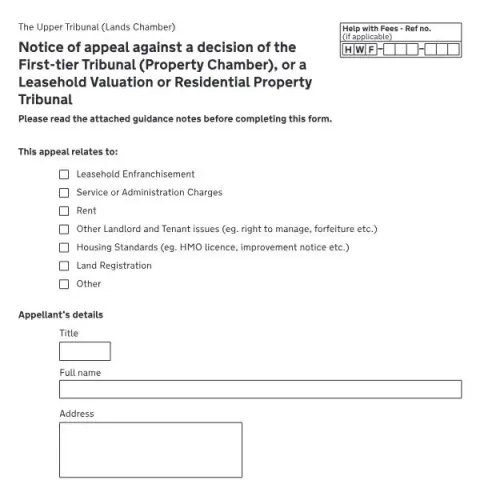
The Notice of Appeal against a decision of the First-tier Tribunal (Property Chamber) or related tribunals in England and Wales is a formal document used by individuals or entities seeking to challenge decisions made by property tribunals. Managed by the HM Courts & Tribunals Service, this process is crucial for those involved in property disputes such as leasehold enfranchisement, rent disputes, or housing standards issues.
Scope and Purpose of the Form T601
The primary purpose of the Form T601 is to formally notify the tribunal of a party’s intention to appeal a decision they believe is incorrect or unjust. This form is applicable when permission to appeal has been granted by the original tribunal, which is a necessary prerequisite. It serves as the official record of the appellant’s intent and provides essential details about the case, the parties involved, and the grounds for appeal.
It covers a range of property-related issues, including:
- Leasehold enfranchisement
- Service or administration charges
- Rent disputes
- Land registration issues
- Housing standards and licensing matters
- Other landlord and tenant issues such as right to manage or forfeiture
Who Should Use the Form?
This form is intended for parties who have already obtained permission to appeal from the tribunal that made the original decision. It is relevant for:
- Leaseholders or tenants appealing against leasehold or housing decisions
- Freeholders or landlords contesting property valuation or registration issues
- Local authorities or other entities involved in property disputes
Individuals or organisations that wish to challenge a tribunal decision but have not yet received permission to appeal must first seek that permission before submitting this form.
Key Components and Information Required
Appellant and Respondent Details
The form requires comprehensive contact details for both the appellant and the respondent, including:
- Full name or organisation name
- Address and postcode
- Telephone, fax, and email contacts
Additionally, details of any legal representative or solicitor acting on behalf of the appellant or respondent must be provided, along with their contact information and authority to act.
Property and Tribunal Information
The form asks for specific information about the property involved, such as:
- Full address
- Type of property (e.g., house, flat, commercial unit)
It also requires details about the tribunal case, including:
- Name of the tribunal
- Case number
- Date of the original decision
- Date permission to appeal was granted
Grounds for Appeal and Procedure Choices
Applicants must attach a separate document outlining the grounds of their appeal, explaining why they contest the tribunal's decision. They must also specify the preferred procedure for the appeal:
- Standard review
- Rehearing
Furthermore, appellants can indicate if they wish to call expert witnesses and whether they prefer to have the appeal heard through written representations or an oral hearing.
Fill in your form directly online
No printing: type your details into the boxes of the official form, tick, then download the PDF ready to send.
- 1Type into the form boxes
- 2Tick in one click
- 3Save and download the PDF
Fees and Enclosures
The form requires payment of an appeal fee, which is typically made payable to the HM Courts & Tribunals Service. Payment methods include cheque or bank transfer, with details provided upon submission. The applicant must enclose relevant documents, such as:
- Decision being appealed
- Permission to appeal letter from the tribunal
- Authority to act (if applicable)
- Supporting grounds document
Legal and Procedural Considerations
It is essential to submit the completed form within one calendar month of receiving permission to appeal from the tribunal. If this deadline is missed, an application for an extension must be made, including reasons for the delay and a fee for the late submission.
Parties involved should ensure all information is accurate and complete to facilitate the smooth processing of their appeal. The tribunal will handle correspondence primarily through the contact details provided, and legal representation is permitted to ensure proper advocacy.
Conclusion
The Notice of Appeal (Form T601) is a vital document within the UK property tribunal system, enabling parties to challenge decisions that impact their property rights or obligations. Understanding its structure and requirements helps ensure that appeals are properly lodged and considered, maintaining fairness and transparency in property dispute resolution.