Skip to content
Legal & justice

Essential Guide to the N208 Claim Form in Regional Commercial Court

Official documentLegal & justice
PreviewDocument preview: Essential Guide to the N208 Claim Form in Regional Commercial Court — Legal & justice
Official document

What would you like to do?

After payment, download your document or edit it in your account.

After payment, download your document or edit it in your account.

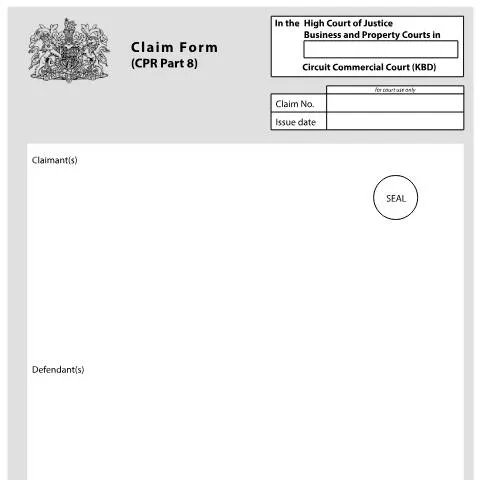
The N208 form, used to make a claim under the Civil Procedure Rules (CPR) Part 8, serves as a crucial instrument within the UK legal landscape, particularly for matters adjudicated in the Regional Commercial Court. This document is designed for specific types of claims where the claimant seeks a judgement or order without the need for a trial, making it a straightforward yet essential part of the legal process.

Understanding the Intended Use of the N208 Form

The N208 form is particularly relevant when disputes do not require extensive evidence or when the facts of the case are not in dispute. This might include situations such as:

  • Seeking a declaration or interpretation of a contract.
  • Claims for specific performance of a contract.
  • Requests for an injunction or specific orders from the court.

By utilising this form, claimants can streamline their case, focusing the court's attention on specific legal issues rather than on extensive factual disputes.

The Path from Claim Initiation to Resolution

The journey of submitting a claim via the N208 form can be broken down into several critical stages:

  1. Preparation: Collect all necessary information and documentation relevant to your claim.
  2. Completion of the N208 Form: Fill in the required information accurately, ensuring clarity and precision.
  3. Filing the Claim: Submit the completed form alongside any required fees to the appropriate court.
  4. Await Court Response: Once filed, the court will process your claim, leading to a response from the defendant.
  5. Potential Court Hearings: Depending on the case, court hearings may be arranged to discuss the claims.
  6. Final Judgment: The court will issue its decision based on the claim presented.

Completing the N208 Form: Key Sections to Focus On

Filling out the N208 form requires careful attention to specific sections. Here are some critical components:

Claimant and Defendant Information

Provide accurate names and addresses for both the claimant and the defendant. This ensures that all parties can be properly notified throughout the process.

Details of the Claim

Clearly outline the nature of the claim, succinctly stating the legal grounds and the relief sought. This section should reflect the claim's purpose and basis in legal terms.

Statement of Truth

This section underscores the veracity of the claim. The person signing must sincerely believe in the truthfulness of the statements made. Any falsehood can result in serious legal implications, including contempt of court.

Who is Responsible for Filing the N208 Form?

The responsibility of filing the N208 form typically lies with the claimant, who may be an individual or a business entity. However, there are special considerations:

  • If the claimant is under 18 or deemed incapable, a litigation friend must file on their behalf.
  • Legal representatives may file the form on behalf of their clients, ensuring all legal standards and requirements are met.

Understanding Court Fees and Additional Costs

Filing a claim with the N208 form incurs a court fee, which varies depending on the nature of the claim. As of my last update, fees might range based on the amount being claimed, so it is prudent to check the latest guidelines from HM Courts & Tribunals Service regarding court fees.

Furthermore, the claimant should be aware of potential additional costs that may arise, including legal representatives' fees if they choose to seek legal counsel. Understanding these financial obligations beforehand can prevent any unexpected hurdles during the process.

Common Misunderstandings Around the N208 Form

Despite its specific purpose, there are several misconceptions surrounding the N208 form, particularly regarding its scope and usage:

  • Not All Claims are Suitable: This form is not applicable for all types of claims. For instance, disputes involving personal injury or housing matters typically require different procedures.
  • Filing Does Not Guarantee a Hearing: Submitting the N208 form may not automatically lead to a court hearing; the nature of the claim and court’s discretion will influence this.

Submitting Your Claim: Essential Next Steps

Once the N208 form is completed, it must be submitted to the relevant court. Here’s how to effectively submit your claim:

  1. Determine the Correct Court: Ensure you are filing in the right business and property court, particularly if your claim involves specific jurisdictions.
  2. Payment of Fees: Accompany your submission with the required court fee, which can typically be paid online or via cheque.
  3. Retain Copies: Always retain copies of the submitted form and payment receipts for your records.

Tracking Your Claim: Following Up with the Courts

After submitting the N208 form, monitoring the progress of your claim is critical. The court will issue a claim number, which should be referenced in all correspondence. Below are practical steps to follow:

Online editing included

Fill in your form directly online

No printing: type your details into the boxes of the official form, tick, then download the PDF ready to send.

  1. 1Type into the form boxes
  2. 2Tick in one click
  3. 3Save and download the PDF
Get started for £0.79
  • Contact the court to confirm receipt of your claim.
  • Check on the status of your claim periodically, especially if you have not received updates.
  • If delays occur, consider reaching out to the court for clarification or to expedite the process.

While individuals are entitled to file the N208 form independently, seeking legal counsel can be beneficial. Legal professionals can provide insights on:

  • How best to present your claim to maximize chances of success.
  • Potential legal precedents or case law that may apply to your situation.
  • Understanding the implications of the court's decision and next steps.

Engaging with a lawyer familiar with commercial law can significantly enhance the quality of your submission and overall claim process.

Final Steps: What Happens After Your Claim is Filed?

After your N208 claim is filed and acknowledged by the court, you may wonder what lies ahead:

  • If the defendant responds, the court may schedule a hearing to discuss the claim further.
  • The court may also issue directions on how the case will proceed, including deadlines for submissions from both parties.
  • Ultimately, the court will issue a ruling, which could lead to an order in favour of the claimant or the defendant.

Understanding these final steps is vital for managing expectations and preparing for potential outcomes.

Conclusion: Strategic Steps for Claimants Using the N208 Form

The N208 claim form is not merely a procedural document; it is an entry point into a structured legal process that can lead to resolutions of significant matters. By understanding its purpose, the required information, and the steps involved, claimants can navigate this administrative landscape more effectively. Whether you choose to proceed independently or seek legal support, being well-informed will facilitate a smoother experience through the Regional Commercial Court.

Understanding the CPR Part 8 Procedure in the Regional Commercial Court

The Civil Procedure Rules (CPR) Part 8 procedure is specifically designed to streamline claims that do not require a full trial, focusing on providing a quicker resolution for certain types of disputes. In the context of the Regional Commercial Court (RCC), understanding how to effectively navigate this procedure can be crucial for parties seeking efficient outcomes. This section will delve into the specificities of the CPR Part 8 process within the RCC, emphasizing its unique characteristics compared to other claim types. One major distinction of the CPR Part 8 procedure is its application to claims that are typically not contentious in nature. These often include cases such as the interpretation of written agreements, the granting of declarations, or applications for judicial review. To initiate a claim under Part 8, the claimant must file a claim form (N208) and accompanying witness statements, which should clearly outline the factual background and the legal basis for the claim. In preparation for a Part 8 claim, it is essential to engage in early and thorough legal research. This includes understanding any relevant case law that may impact the interpretation of the agreement or issue at hand. Additionally, parties should consider the potential for alternative dispute resolution (ADR) methods, as the RCC encourages resolution through mediation or arbitration before proceeding with a full court hearing. Once the claim is filed, the court will review the documentation to ascertain whether it meets the requirements for a Part 8 claim. Should the court find the claim suitable, it will issue directions, often compelling the defendant to respond within a set timeframe. The defendant may acknowledge the claim or contest the legal framework, leading to a process that is efficient but also allows for legal debate. Furthermore, the court will determine whether the case can be resolved based solely on the submitted documents or if a hearing is necessary. This aspect of the CPR Part 8 procedure brings forth the importance of presenting a clear and comprehensive claim form, as the outcome may heavily rely on the quality of the written submissions.

Common Pitfalls When Making a Part 8 Claim

While the CPR Part 8 procedure is intended to facilitate straightforward claims, several common pitfalls can hinder a claimant's progress. Identifying these challenges ahead of time can significantly improve the chances of a successful outcome. One of the most frequent errors occurs during the completion and submission of the N208 claim form. It is imperative for the claimant to ensure that all relevant details are accurately filled out, including the correct court details, parties involved, and nature of the claim. Incomplete or inaccurate forms can lead to delays or even dismissal of the claim. Moreover, a lack of supporting evidence can severely weaken a claim. Claimants often underestimate the necessity of comprehensive documentation. This can include contracts, correspondence, and any relevant legal precedents that substantiate the claim. A well-prepared bundle of documents enhances the credibility and clarity of the application. Another significant hurdle is the misinterpretation of the required timelines. The CPR specifies particular timeframes for responses and submissions, and failure to adhere to these can jeopardize a claim. It is vital for claimants to set reminders for all deadlines, ensuring that they allow sufficient time for potential revisions or additional evidence gathering. Additionally, claimants should be aware of the potential for costs incurred during the process. While Part 8 is designed to be less costly than full trials, parties may still face litigation costs, including court fees and legal representation. Understanding the cost implications upfront can aid in effective budgeting and financial planning throughout the claim. Lastly, the role of representation cannot be overlooked. While individuals have the right to represent themselves, employing a legal professional experienced in Part 8 claims can greatly improve the quality of the presentation and the likelihood of a favorable outcome. Legal representatives can assist in drafting the claim, ensuring adherence to procedural rules, and navigating potential challenges that may arise throughout the process.

Strategies for Successfully Navigating a Part 8 Claim

Successfully navigating a Part 8 claim in the Regional Commercial Court requires strategic planning and execution. Here are several effective strategies to enhance the success rate of a claim under CPR Part 8. First and foremost, it is advisable to undertake comprehensive pre-action correspondence. This involves reaching out to the opposing party to discuss the dispute before formally initiating a claim. Engaging in dialogue may lead to an amicable resolution, saving both parties time and costs associated with litigation. Documenting these communications is essential, as they can form part of the claim if the matter proceeds to court. Another strategy is to build a robust factual and legal foundation. This entails thoroughly researching the applicable laws and regulations pertinent to the claim. Claimants should aim to identify precedents that align with their case, allowing for a persuasive argument when presenting the claim. A well-structured legal argument, supported by case law, can significantly bolster the claim’s chances of success. Moreover, utilizing interim applications can be beneficial in certain scenarios. For instance, if a claimant believes that the opposing party may attempt to frustrate the proceedings, they may seek an injunction or a specific order compelling the defendant to act. This proactive approach not only protects the claimant's interests but also demonstrates to the court a commitment to resolving the matter efficiently. Effective communication throughout the process is also vital. Claimants must maintain clear and consistent lines of communication with the court, ensuring that any updates or changes in circumstances are promptly reported. This transparency fosters a collaborative relationship with the judiciary and aids in the smooth progression of the claim. Finally, meticulous preparation for any potential hearings cannot be overstated. Should the court deem it necessary to hold a hearing, both parties should be ready to present their cases succinctly and effectively. This includes preparing a clear outline of arguments, anticipating counter-arguments, and organizing relevant evidence for presentation. Practicing oral submissions can also help in building confidence and clarity during the actual hearing. By implementing these strategies, claimants not only improve their chances of a successful resolution but also contribute to the overall efficiency of the judicial process within the Regional Commercial Court.

Frequently asked questions

What is the N208 form used for?

The N208 form is used to make a claim under CPR Part 8 without the need for a trial.

When should I use the N208 form?

Use the N208 form for disputes that require a judgment or order without a full trial.

Where is the N208 form applicable?

The N208 form is specifically applicable in the Regional Commercial Court.

What types of claims can be made with the N208 form?

The N208 form is designed for specific types of claims where straightforward resolution is sought.

Similar documents