The Importance of the N500 Form in Director Disqualification Proceedings
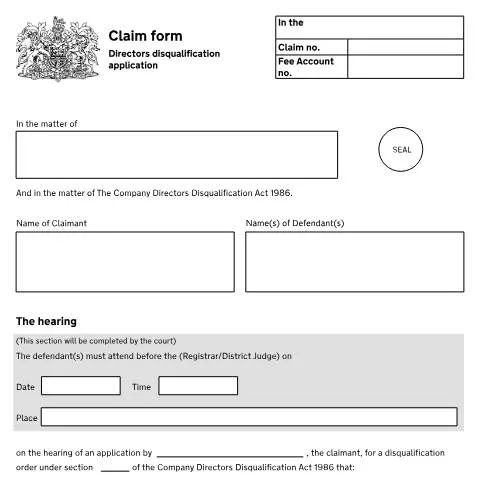
When a director’s conduct raises concerns regarding their fitness to lead a company, the N500 claim form plays a pivotal role in initiating disqualification proceedings under the Company Directors Disqualification Act 1986. This document allows claimants to formally present their case, enabling the court to evaluate evidence and make determinations that can significantly impact the careers of directors involved.
Understanding the Context: When Does N500 Come into Play?
Disqualification proceedings often arise when a director is suspected of misconduct, such as wrongful trading, fraudulent activity, or failing to adhere to statutory obligations. The initiation of these proceedings typically follows investigations by regulatory bodies like the Insolvency Service or complaints from stakeholders.
- Regulatory Trigger: Investigations by the Insolvency Service or other regulatory agencies often trigger the need for a disqualification claim.
- Stakeholder Complaints: Shareholders or creditors may provide evidence of misconduct, prompting a formal claim.
In these scenarios, the claimant may file the N500 to commence legal action, laying the groundwork for hearings that will scrutinise the director’s actions.
Completing the N500 Form: A Detailed Guide
When filling out the N500 claim form, precision and clarity are paramount. The form itself is structured to gather essential information that will support the claim against the director. Here’s what to keep in mind when completing it:
- Claim Information: Clearly state the claimant's name and the relevant details about the defendant(s), including their names and addresses. This section sets the stage for the court's understanding of the parties involved.
- Grounds for Disqualification: Elaborate on the reasons why disqualification is sought, referencing the specific sections of the Company Directors Disqualification Act that are applicable to the case.
- Evidence Submission: Indicate any supporting documents or evidence being submitted alongside the N500. This can include affidavits or other relevant reports.
- Hearing Details: Leave space for the court to fill in the hearing date, time, and location, which will be crucial for both the claimant and the defendant.
Careful attention should also be paid to the legal representation section. If the claimant has legal counsel, they must provide their details to ensure proper communication flows between the court and the parties involved.
Filing and Submitting the N500: Step-by-Step Process
Once completed, the N500 form must be filed with the court, which involves specific procedural steps:
- Fee Payment: A court fee is typically required to process the claim. It’s important to consult the current fee structure on the HM Courts & Tribunals Service website, as fees can vary depending on the nature of the claim.
- Submission to the Court: The completed N500 form, along with any supporting evidence, should be submitted to the appropriate court. Ensure that copies are provided to all defendants, as the form requires proof of service.
- Awaiting Court Response: After submission, watch for communication from the court regarding the scheduling of the hearing. The court will notify all parties involved, including the date and time for the proceedings.
After Filing: The Path to a Hearing and Beyond
Once the N500 has been filed, the process moves towards the hearing, which is a crucial phase in the disqualification proceedings. Here’s what to anticipate:
- Preparation for Hearing: Both the claimant and the defendant must prepare their cases. The claimant should compile all evidence and possibly witness testimonies to support their claim.
- Hearing Dynamics: During the hearing, a registrar or district judge will listen to both parties. The judge may ask questions and seek clarifications regarding the evidence presented.
- Possible Outcomes: Following the hearing, the court may issue a disqualification order, which can last from a minimum of two years to a maximum of 15 years, depending on the severity of the misconduct.
Exploring the Implications of Disqualification: What It Means for Directors
The ramifications of a disqualification order are significant and can affect a director’s professional life profoundly. Here are some notable consequences:
| Disqualification Period | Possible Implications |
|---|---|
| Up to 2 years | May hinder future employment opportunities in directorial roles. |
| Up to 5 years | Increased scrutiny in future business dealings; potential reputational damage. |
| Up to 15 years | Severe limitations on ability to manage businesses; marked loss of credibility. |
Handling Special Circumstances: Complex Cases and Exceptions
Certain situations may require tailored approaches when dealing with the N500 form and subsequent proceedings:
- International Directors: If the director in question is based outside the UK, additional legal considerations around jurisdiction may apply. It’s advisable to seek legal counsel experienced in international business law to navigate these complexities.
- Minors or Vulnerable Individuals: If the director is a minor or a person lacking capacity, a litigation friend may need to be appointed to act on their behalf through the process.
- Emergency Circumstances: In urgent cases where misconduct poses immediate harm to stakeholders, expedited proceedings may be sought, emphasizing the need for swift action.
What If Things Go Wrong? Addressing Errors and Challenges
Throughout the process, various issues may arise that could complicate the proceedings:
- Missing Documents: If essential supporting documents are not included with the N500, the court may not process the claim. Ensuring that all paperwork is complete before submission is vital.
- Errors in the Claim: If errors are identified after filing, it may be necessary to submit an amendment. This can prolong the process, so prompt attention to corrections is advisable.
- Refusal of Claims: In instances where the claim is dismissed or refused, the claimant has the right to appeal the decision, following the specified guidelines provided by the court.
Conclusion: The N500 as a Tool for Corporate Governance Integrity
The N500 form serves as a critical instrument in maintaining the integrity of corporate governance. Through its structured process, it upholds accountability for directors whose actions may threaten the viability of their businesses. By understanding the nuances of this form and the accompanying procedures, claimants and defendants alike can navigate the complexities of disqualification proceedings more effectively.
Understanding the Grounds for Disqualification
Directors disqualification proceedings can arise from various grounds, each merit-based on the conduct of the director in question. It’s critical for directors to understand these grounds to prepare an effective response when faced with a Form N500 claim. Under the Company Directors Disqualification Act 1986, the most common grounds for disqualification include:
Fill in your form directly online
No printing: type your details into the boxes of the official form, tick, then download the PDF ready to send.
- 1Type into the form boxes
- 2Tick in one click
- 3Save and download the PDF
- Insolvency issues: If a company goes into liquidation and it's determined that the director's management contributed to the company's failure, this can lead to disqualification.
- Fraudulent behaviour: Directors found guilty of committing fraud or other dishonest actions can face disqualification proceedings.
- Noncompliance with legal obligations: Failure to comply with statutory duties, such as filing annual returns or maintaining proper accounting records, can also be grounds for disqualification.
Each case is assessed based on individual circumstances, and evidence of misconduct must be thoroughly evaluated. It is advisable for directors to consult with legal experts familiar with corporate law and disqualification to navigate these complex proceedings effectively.
Your Rights and Responsibilities During Proceedings
When you receive a Form N500, it’s essential to recognize your rights and responsibilities throughout the disqualification proceedings. Key points to keep in mind include:
- Right to Legal Representation: You have the right to seek legal representation during these proceedings. Engaging a solicitor who specializes in company law can significantly impact your ability to defend against disqualification.
- Disclosure of Evidence: You are entitled to request evidence from the Secretary of State or the parties involved in the proceedings. Understanding the basis of the claims against you is crucial to mounting an effective defense.
- Timeframes: You must respond within the time limits set forth in the proceedings. Failure to adhere to these timelines can undermine your position and lead to an adverse outcome.
- Appeal Process: Should the disqualification order be granted against you, you have the right to appeal. It is crucial to act promptly, as there are strict deadlines for filing an appeal.
Understanding these rights and responsibilities can empower directors to take proactive steps in defending their position and ensuring that they are treated fairly throughout the process.
Impact of Disqualification on Future Business Activities
The implications of a disqualification order extend beyond the immediate sanction and can significantly affect your future business activities and reputation. Directors facing disqualification should consider the following factors:
- Employment Restrictions: A disqualification order can prohibit you from acting as a director or being involved in the management of any company for the duration of the disqualification. This can vary from a minimum of 2 years to up to 15 years, depending on the severity of the misconduct.
- Impact on Credit Ratings: Being disqualified may negatively impact your personal and business credit ratings, complicating any future efforts to obtain financing or credit for business ventures.
- Reputation Damage: A disqualification can tarnish your personal reputation within the business community, affecting relationships with potential partners, investors, and clients.
- Legal Consequences: Engaging in business activities while disqualified can lead to further legal repercussions, including fines or additional disqualification.
It is crucial to consider these factors and seek advice from legal professionals when planning for future business endeavors following disqualification proceedings.