Navigating the FL407: Understanding the Warrant of Arrest in Domestic Abuse Cases
In the realm of domestic abuse, securing the safety of individuals involved is paramount. One significant tool within the legal framework of the UK is the FL407 form, officially known as the application for a warrant of arrest in domestic abuse injunction cases. This document serves a critical role in enforcing court orders aimed at protecting individuals from further harm. Understanding the intricacies of this form is essential for applicants who seek justice and protection in challenging circumstances.
Who Are the Applicants: Profiles and Circumstances
The primary applicants for the FL407 form are typically individuals who have been granted a domestic abuse injunction against a respondent. This could include victims of domestic violence who have obtained an injunction to protect themselves from further abuse. However, the profile of applicants is diverse and can encompass a range of situations.
Different Scenarios and Exceptions
- Immediate Victims: Individuals facing ongoing threats or violence are the most common applicants.
- Third-Party Applications: In some cases, family members or representatives may apply for a warrant on behalf of the victim, especially when the victim is unable to do so due to fear or incapacitation.
- Mental Health Considerations: Applicants suffering from mental health issues may require additional support when navigating the application process.
- Children Involved: If children are part of the dynamics, the court may consider their welfare and safety, influencing the process and the urgency of the application.
Each of these profiles may present unique challenges and conditions that could affect how the FL407 is approached and completed.
The Legal Framework: Understanding the Context
The application for a warrant of arrest under the FL407 is grounded in the broader context of domestic abuse law in the UK. The Domestic Violence, Crime and Victims Act 2004 provides a framework for victims to seek protection through civil injunctions and criminal enforcement.
Applications for injunctions typically arise in the context of ongoing domestic abuse, where previous attempts at resolution have failed. This legal backdrop is critical for understanding the urgency and necessity of the FL407 form.
Completing the FL407: Step-by-Step Guidance
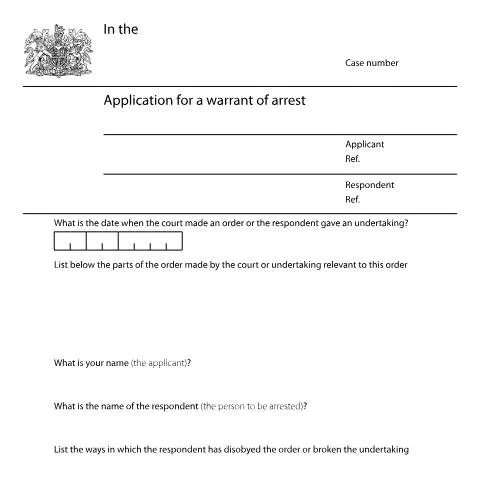
Filling out the FL407 requires meticulous attention to detail. The form is designed to gather specific information to substantiate the need for a warrant. Here are the key sections of the form to focus on:
- Case Information: Applicants must provide the case number and detail when the court made the initial order or when the respondent gave an undertaking.
- Parties Involved: Clear identification of both the applicant and the respondent is crucial. This includes full names and reference numbers where applicable.
- Details of Non-compliance: Applicants must list the ways in which the respondent has disobeyed court orders or broken undertakings. This section is vital as it establishes the grounds for the warrant.
- Final Request: The applicant must explicitly state their intention, concluding with a clear request for the court to issue a warrant for the respondent's arrest.
Careful and precise completion of each section will facilitate a smoother process when the application is reviewed by the court.
Methods of Submission: Where and How to File
There are various channels through which the FL407 can be submitted, and understanding these can significantly affect the processing time and outcomes.
Channel Options
- Online Submission: Leveraging the HM Courts & Tribunals Service online portal can expedite the filing process. This method is often preferred for its efficiency.
- Paper Submission: Traditional paper forms can be submitted by mail or delivered directly to the court. Applicants should be aware of possible delays in processing.
- In-Person Filing: Visiting the court to submit the application in person allows for immediate feedback or clarification, although this may require taking time off work or arranging childcare.
It is essential for applicants to choose the method that best suits their circumstances, considering factors such as urgency, accessibility, and personal safety.
Special Considerations: Unique Circumstances and Urgency
Certain situations may necessitate a more urgent approach to filing the FL407. For instance, if the respondent has violated a court order multiple times or if there are indications of escalating violence, the application may need to be prioritized.
Addressing Complex Situations
- International Elements: If the respondent has fled abroad, additional legal considerations may arise in executing the warrant.
- Minors: If the applicant is under the age of 18, special provisions might apply, requiring representation or support from legal guardians.
- Interim Orders: In cases where time is of the essence, applicants may seek interim orders or emergency protections while the FL407 is being processed.
These complexities underscore the importance of seeking legal advice or assistance when completing the FL407 to ensure that all relevant factors are considered.
Chronology of the Application Process: From Submission to Resolution
The journey of an FL407 application unfolds through several key stages, each critical in the pursuit of justice. Below is a typical timeline from submission to resolution.
- Preparation: Gathering necessary documentation and completing the FL407 form.
- Submission: Choosing an appropriate submission method and filing the application with the relevant court.
- Review by the Court: The court will assess the application, which may take several days, depending on the urgency and complexity.
- Hearing (if applicable): In some cases, a hearing may be scheduled to discuss the application further.
- Issuance of Warrant: If granted, the court will issue a warrant for the arrest of the respondent, which will then be communicated to law enforcement.
- Enforcement: Law enforcement agencies will execute the warrant, and the respondent will be brought before the court.
- Follow-Up: Further legal proceedings may occur to establish continued protection or address any further violations.
This step-by-step process is designed to ensure due diligence in addressing domestic abuse cases while providing necessary protections for victims.
After the Warrant is Issued: Next Steps and Implications
Once the warrant is issued, the implications can ripple through various legal and personal landscapes for both the applicant and the respondent. Understanding these ramifications is crucial.
Potential Outcomes and Considerations
- Arrest of the Respondent: Following the execution of the warrant, the respondent will be taken into custody, which could lead to further legal proceedings.
- Impact on Victim Safety: The issuance of the warrant can provide immediate relief and safety for the applicant, but it may also escalate tensions.
- Ongoing Legal Proceedings: The case may proceed to a hearing, and additional legal measures may be required to ensure the applicant's ongoing safety.
It’s imperative that applicants remain informed and engaged throughout this process, seeking support from legal professionals or domestic abuse services as needed.
The Role of Support Services: Navigating the System
Throughout the application process, support services play a vital role in aiding applicants. These services can provide emotional support, legal advice, and practical assistance in completing the FL407 form and navigating the legal landscape.
Types of Support Available
- Legal Aid Services: Organizations that provide free or low-cost legal assistance can be invaluable for applicants unfamiliar with the judicial system.
- Domestic Abuse Support Groups: These groups offer emotional and psychological support, helping victims to feel less isolated.
- Advocacy Services: Advocacy programs often assist victims in understanding their rights and navigating the court process.
Engaging these services can significantly enhance the chances of a successful and informed application process.
Final Thoughts: Empowering Applicants through Knowledge
The process of applying for a warrant of arrest in domestic abuse injunction cases using the FL407 form is fraught with complexities and emotional challenges. However, understanding the requirements, potential outcomes, and available support can empower applicants to take necessary steps towards securing their safety and seeking justice. When equipped with the right knowledge and resources, victims of domestic abuse can navigate this critical procedure with confidence and clarity.