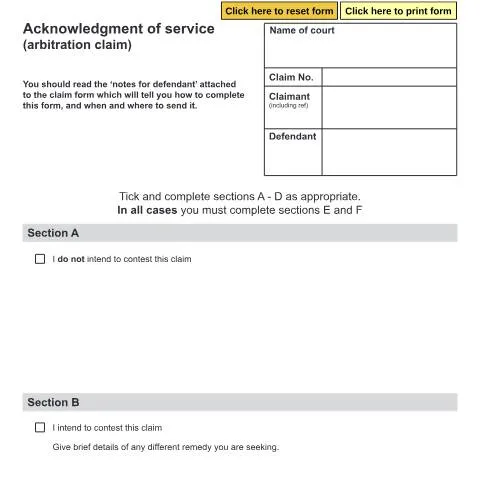
Understanding the Role of Form N15 in Arbitration Claims
When engaging in arbitration, the procedural landscape can appear complex, particularly for defendants. One critical document at the centre of this process is the Acknowledgment of Service (Form N15). This form serves as a pivotal communication tool, allowing the court to understand the defendant's intentions regarding the claim made against them. It is essential for managing expectations and setting the stage for the next steps in the legal process.
The Historical Context and Regulatory Framework
Form N15 is governed by the Civil Procedure Rules (CPR) which outlines how court proceedings should be handled in England and Wales. The CPR is designed to make the process of arbitration more efficient and equitable, reflecting the judiciary's commitment to upholding justice.
Historically, the integration of arbitration claims within the court system has evolved, with increasing emphasis on alternative dispute resolution methods. The introduction of forms like N15 illustrates the judiciary's attempt to streamline processes while ensuring that all parties are afforded the opportunity to respond adequately.
The rules surrounding arbitration largely stem from the Arbitration Act 1996, aiming to provide clarity and certainty to arbitration proceedings. This Act underpins the procedural aspect of arbitration claims, where Form N15 plays an integral role in formalising the defendant's stance in response to a claim.
Mechanisms for Submission: Online, Paper, and In-Person
Submitting Form N15 can be accomplished through various channels, each with its nuances:
- Online Submission: This method is becoming increasingly popular due to its convenience. Defendants can complete and submit the form electronically through the HM Courts & Tribunals Service (HMCTS) online portal. This option is generally faster and provides instant confirmation of receipt.
- Paper Submission: For those preferring a traditional approach, submitting a hard copy remains viable. Defendants must ensure the form is sent to the correct court office and within the stipulated time limits—typically, within 14 days of receiving the claim form.
- In-Person Submission: While less common, submitting Form N15 in person can be particularly beneficial for those requiring immediate clarification or assistance. Visiting the relevant court office allows defendants to directly engage with court officials.
Navigating the Administrative Process: Tracking Your Submission
Following the submission of Form N15, defendants may wonder about the subsequent processing steps. The HM Courts & Tribunals Service is responsible for managing these submissions and can provide updates on the status of a claim.
It's vital to keep track of important dates and deadlines outlined within the form and associated documentation:
- Ensure that submissions are time-sensitive, especially when contesting the claim or seeking jurisdictional challenges.
- Monitor correspondence from the court, as any additional information or hearings will likely be communicated through this channel.
To track your case, maintain a written record of all interactions with the court, including dates, times, and names of individuals spoken to. This record can prove invaluable should discrepancies arise during the process.
Dissecting the Form: Key Sections and Common Pitfalls
Form N15 is divided into significant sections, each requiring careful attention. Understanding them can prevent common errors:
Section A: Contesting the Claim
In this section, defendants can indicate whether they intend to contest the claim. Be careful to select the appropriate box and provide any necessary details. Failing to specify intentions clearly can lead to assumptions by the court that might affect the proceedings.
Section B: Seeking Alternative Remedies
If a defendant seeks a different remedy than what is claimed, they must provide a brief description in this section. Clarity is critical—vague responses could hinder the court's understanding and affect the resolution of the arbitration.
Section C: Jurisdiction Challenges
For those questioning the court's jurisdiction over the claim, this section must be completed diligently. It's crucial to submit any application within 14 days of filing Form N15; otherwise, this right could be forfeited, potentially impacting the defendant's position.
Section D: Written Evidence
Defendants should indicate whether their written evidence accompanies the form or will be submitted later. It’s essential to adhere to deadlines, as failure to submit evidence on time may limit the ability to contest the claim effectively.
Sections E and F: Providing Personal Information
Lastly, defendants must ensure that their full name and contact details are provided accurately. Any discrepancies here could lead to complications in communication and further administrative errors.
Understanding the Distinctions: Form N15 versus Other Court Documents
Form N15 stands apart from other forms within the civil procedure ecosystem, particularly when compared to other acknowledgement forms. For example, unlike Form N9 (Acknowledgment of Service for a Money Claim), Form N15 pertains specifically to arbitration claims, introducing additional considerations relevant to alternative dispute resolution.
Recognising these distinctions helps defendants avoid confusion and ensure compliance with the appropriate procedures relevant to their claim type.
Integrating Form N15 into the Broader Context of Legal Proceedings
Form N15 is not merely a standalone document; it exists within a larger framework of legal procedures concerning arbitration. Completing and submitting this form is often just one of several steps a defendant must undertake following a claim.
Understanding where Form N15 fits into the overall arbitration process enhances a defendant’s ability to navigate future steps. Key subsequent actions may include:
- Preparing for hearings and ensuring all evidence is ready for presentation.
- Engaging with the claimant to explore possible resolutions outside of court.
- Staying updated on any developments in the case, including potential responses from the claimant.
Being proactive and informed facilitates a smoother process, reducing the risk of misunderstandings or delays.
Practical Considerations for Filing Form N15: Key Takeaways
As defendants complete Form N15, several practical considerations should remain at the forefront of their minds:
Fill in your form directly online
No printing: type your details into the boxes of the official form, tick, then download the PDF ready to send.
- 1Type into the form boxes
- 2Tick in one click
- 3Save and download the PDF
- Timeliness: The importance of adhering to deadlines cannot be overstated. Whether contesting a claim or challenging jurisdiction, timely submission is essential.
- Accuracy: Every detail in Form N15 must be accurate to ensure proper processing. Double-checking entries can help avoid delays caused by administrative errors.
- Follow-Up: After submission, maintain a proactive approach to following up with the court. This can facilitate clearer communication and prevent avoidable setbacks.
The effective use of Form N15 is vital for defendants navigating arbitration claims, aiding them in asserting their rights within the judicial framework. Familiarity with this document will empower them to engage confidently and knowledgeably throughout the arbitration process.
Understanding the Role of Form N15 in the Arbitration Process
Form N15, known as the Acknowledgment of Service, plays a crucial role in the arbitration claim process in the UK. This form is used when a party is served with the claim form and needs to officially respond to it. Filing Form N15 demonstrates that the respondent is taking the arbitration proceedings seriously and intends to defend their position. The acknowledgment of service must be filed within 14 days of receiving the claim form, otherwise, the claimant might request a default judgment, which could have serious consequences for the respondent.
The importance of adhering to the deadline cannot be overstated. If a party believes they need more time to prepare their response, they can use Form N15 to request an extension, but this request must be backed by a valid reason. This underlines the necessity for respondents to be proactive and organized when dealing with arbitration claims.
Consequences of Failing to File Form N15
Failing to file Form N15 in a timely manner can lead to significant repercussions for a respondent. A common consequence is the possibility of a default judgment being entered against the party that failed to acknowledge the service. This means that the claimant could win the case without the respondent having the opportunity to present their case, as the court may presume that the respondent does not contest the claim.
Moreover, a default judgment can adversely impact the respondent's credit rating and their ability to secure future financial agreements. It can also lead to further enforcement action from the claimant, such as bailiff action to recover debts, which can complicate the respondent's financial situation even further.
Respondents must also understand that the court may not look favourably on a party that disregards the acknowledgment of service requirement. If a party later seeks to set aside a default judgment, they will need to provide a compelling reason and potentially incur additional costs in the process. Hence, completing and submitting Form N15 on time is pivotal to maintaining one's legal standing and avoiding unnecessary complications.
Supplementary Documents and Information Required with Form N15
When submitting Form N15, it is essential to include any supplementary documents related to the claim. This may include correspondence between the parties, copies of the initial claim form, and any other relevant documentation that might assist in the arbitration process. Providing a full and clear response helps the court comprehend the context of the case better and can expedite the process.
Respondents should also ensure they have accurate contact details on file, as communication from the court and the claimant will often rely on these details. If a party changes their address or contact information during the course of the arbitration, they must inform the court promptly.
Additionally, it is advisable for respondents to keep a copy of Form N15 and any other related documents for their records. This can serve as a valuable reference if issues arise later in the arbitration process or if there is a need for follow-up communication with the court.