When Medical Reality Meets Driving Freedom: Understanding the Brain Tumour Declaration
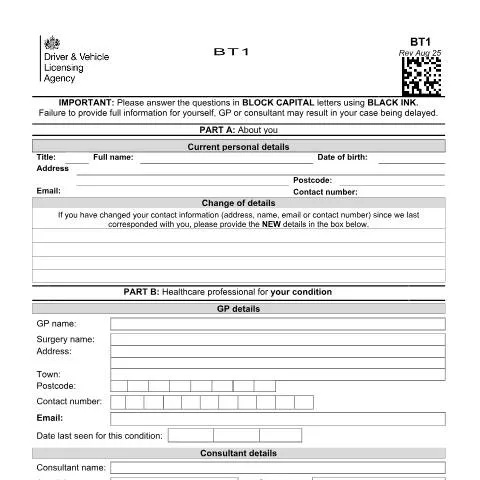
The moment a consultant delivers a brain tumour diagnosis, patients face countless questions about treatment, prognosis, and recovery. Yet one crucial concern often emerges later: can I still drive? This seemingly straightforward question opens a complex dialogue between medical reality and driving entitlement that the DVLA navigates through form BT1, the brain tumour self-declaration document.
Unlike routine licence renewals or straightforward medical notifications, the BT1 represents a sophisticated medical assessment tool that recognises the intricate relationship between neurological conditions and road safety. The form acknowledges that brain tumours present unique challenges—from the unpredictable nature of seizures to subtle cognitive changes that may not be immediately apparent to patients themselves.
This declaration process reflects the DVLA's understanding that driving decisions cannot rely solely on broad medical categories. A meningioma discovered incidentally during routine scanning presents vastly different risks compared to an aggressive glioblastoma requiring immediate intervention. The BT1 captures these nuances through detailed questioning about tumour type, treatment history, and functional impact.
The Medical Landscape Behind Form BT1
Brain tumours occupy a particularly complex position within driving medicine due to their unpredictable clinical course and varied presentations. The DVLA's approach through the BT1 reflects decades of research into neurological conditions and driving safety, incorporating evidence from neurosurgical outcomes, seizure patterns, and cognitive assessment studies.
The form's development recognises that brain tumours can manifest in numerous ways that affect driving capability. Seizure risk remains the most obvious concern, but the BT1 also addresses visual field defects, cognitive impairment, and physical limitations that may compromise vehicle control. This comprehensive approach acknowledges that patients may experience combinations of symptoms requiring individualised assessment.
Modern neurosurgical and oncological treatments have dramatically improved outcomes for many brain tumour patients, creating scenarios where individuals can maintain or regain driving capability. The BT1 captures this evolving medical landscape by documenting treatment modalities from observation through to complex interventions including stereotactic radiosurgery and targeted molecular therapies.
Regulatory Framework and Safety Standards
The legal foundation for the BT1 stems from the Road Traffic Act 1988, which requires licence holders to notify the DVLA of medical conditions likely to affect safe driving. Brain tumours fall squarely within this requirement, but the challenge lies in determining when and how they impact driving capability.
DVLA medical standards for Group 1 (ordinary) licences specify different requirements based on tumour characteristics and treatment outcomes. High-grade tumours typically result in immediate licence revocation, while low-grade lesions may permit continued driving subject to regular review. The BT1 provides the detailed medical information necessary to apply these standards appropriately.
Decoding the BT1: Section-by-Section Navigation
The BT1's eight-page structure reflects the complexity of assessing brain tumour patients for driving fitness. Each section builds upon previous information to create a comprehensive clinical picture that enables appropriate licensing decisions.
Personal Details and Healthcare Professional Information
Part A requires standard demographic information but emphasises the importance of current contact details. Given the potentially evolving nature of brain tumours, the DVLA needs reliable communication channels for ongoing correspondence about licensing decisions and review requirements.
Part B captures both GP and consultant details, recognising that brain tumour care typically involves specialist teams. The form requests specific information about when patients were last seen for their condition, as gaps in follow-up care may influence licensing decisions. Patients should ensure they provide complete contact information for all healthcare professionals involved in their care, as the DVLA may need to request additional medical reports.
Tumour Classification and Treatment History
Section A requires patients to identify their specific tumour type from categories including meningioma, glioblastoma, pituitary tumour, glioma, and metastatic disease. This classification carries significant implications for licensing decisions, as different tumour types present varying risks for seizures and other complications.
| Tumour Type | Typical Seizure Risk | Licensing Implications |
|---|---|---|
| Meningioma | Low to moderate | May permit continued driving with monitoring |
| Glioblastoma | High | Typically requires licence revocation |
| Pituitary tumour | Low | Focus on visual field assessment |
| Metastatic disease | Variable | Depends on primary tumour and extent |
Section B addresses treatment modalities in detail, requiring start and end dates for each intervention. This information helps the DVLA understand disease progression and treatment response, both crucial factors in determining ongoing seizure risk and functional capacity.
Seizure and Consciousness Assessment
Section C represents the most critical component of the BT1, as seizure history directly determines licensing eligibility under DVLA standards. The questioning distinguishes between different types of consciousness disturbance, recognising that not all episodes carry equal implications for driving safety.
The form carefully differentiates between blackouts, altered consciousness, and seizures, each carrying different licensing implications. Questions about seizure timing (awake versus asleep) reflect DVLA standards that may permit driving sooner following sleep-only seizures compared to those occurring while awake.
Particularly significant are questions about seizure frequency and the five-year rule. Patients who have experienced two or more seizures within a five-year period face more stringent licensing restrictions, reflecting evidence that such patterns indicate higher ongoing risk.
Visual Complications and Driving Assessment
Section D addresses vision problems, acknowledging that brain tumours can affect visual pathways and create driving hazards even in the absence of seizures. Pituitary tumours commonly cause visual field defects, while lesions affecting the visual cortex or cranial nerves may produce diplopia or other visual disturbances.
The double vision subsection includes specific warnings about adaptation periods required when using patches, prisms, or other visual aids. This reflects research showing that drivers need substantial time to adjust to monocular vision or optical corrections, during which accident risk remains elevated.
The form requires patients to confirm their understanding of these adaptation requirements through a separate declaration, emphasising the serious safety implications of premature return to driving with visual aids.
Cognitive Function and Vehicle Control
Section E addresses cognitive problems that may affect driving capability, recognising that brain tumours can cause subtle deficits in memory, concentration, decision-making, and problem-solving. These changes may not be immediately apparent to patients but can significantly compromise driving safety.
The inclusion of family observations acknowledges that cognitive changes are often first noticed by close contacts rather than patients themselves. This approach reflects neuropsychological understanding that insight into cognitive deficits may be impaired following brain injury or tumour.
Submission Process and DVLA Response Pathways
The BT1 submission process begins when patients notify the DVLA of their brain tumour diagnosis, typically following medical advice or as part of routine licence renewal. The DVLA then sends the BT1 for completion, though patients can also download the form from the official website if they wish to prepare their response in advance.
Completed forms must be returned to DVLA Medical Group in Swansea, where specialist medical staff review submissions alongside any additional medical reports requested from treating clinicians. This review process typically takes several weeks, though complex cases requiring external medical opinion may take longer.
The DVLA's response depends on the clinical picture presented. Patients with low-risk tumours and no seizure history may retain their licence subject to periodic review. Others may receive temporary revocation pending further assessment or treatment outcomes. High-risk cases typically result in licence withdrawal until specific medical standards are met.
Appeal and Review Mechanisms
Patients who disagree with DVLA licensing decisions can request review or appeal through established channels. Initial reviews involve re-examination of submitted evidence, while formal appeals may require independent medical assessment or tribunal proceedings.
The review process recognises that brain tumour outcomes can improve over time, particularly following successful treatment. Patients may reapply for licensing when their clinical situation changes, supported by updated medical evidence demonstrating improved fitness to drive.
Living with Licensing Decisions: Practical Implications
The period following BT1 submission often creates significant anxiety for patients awaiting DVLA decisions. Understanding the assessment process and potential outcomes helps patients prepare for various scenarios and plan alternative transport arrangements if necessary.
Patients should maintain regular contact with their treating clinicians during this period, as the DVLA may request additional medical information to support their assessment. Prompt response to such requests helps avoid unnecessary delays in decision-making.
For those facing licence revocation, the DVLA provides information about reapplication procedures and the medical standards required for licence restoration. Many patients eventually regain driving privileges following successful treatment and appropriate seizure-free periods.
Insurance and Legal Considerations
Brain tumour patients must notify their motor insurance providers of their diagnosis and any DVLA licensing decisions. Failure to disclose medical conditions may invalidate insurance coverage, creating significant financial and legal risks in the event of accidents.
Patients who continue driving against DVLA advice or following licence revocation face serious legal consequences including prosecution for driving without a valid licence. Such cases may also result in insurance claim rejection and civil liability for accident damages.
The BT1 process provides legal protection for patients who comply with DVLA requirements and follow medical advice about driving fitness. This compliance demonstrates responsible behaviour that may influence insurance premiums and legal proceedings following any incidents.
Future Developments and Emerging Considerations
Advances in brain tumour treatment continue to improve patient outcomes and potentially expand opportunities for safe driving. Precision medicine approaches, improved surgical techniques, and novel therapies may reduce seizure risks and preserve cognitive function more effectively than traditional treatments.
The DVLA regularly reviews its medical standards in light of emerging evidence, potentially leading to updated guidance for brain tumour patients. Recent developments in seizure prediction technology and cognitive assessment tools may eventually influence how fitness to drive is evaluated.
Autonomous vehicle technology presents intriguing possibilities for patients with driving restrictions, though regulatory frameworks for such technologies remain in development. The interaction between medical fitness standards and automated driving systems will likely evolve significantly in coming years.
For now, the BT1 remains the primary mechanism through which brain tumour patients navigate the complex intersection of medical reality and driving entitlement. Its detailed assessment process reflects the DVLA's commitment to balancing individual mobility needs with public safety requirements, recognising that both objectives matter profoundly to patients and society alike.
Special Circumstances and Exceptions for BT1 Reporting
Certain medical conditions and personal circumstances may affect how you complete form BT1 or whether alternative reporting pathways apply. Understanding these special cases ensures you meet your obligations whilst accessing appropriate support.
Mental Health Conditions and Cognitive Impairments
If your condition affects your ability to understand or complete the BT1 form, several provisions exist to assist you. Mental health conditions such as severe depression, bipolar disorder, or anxiety disorders may qualify for additional time or support in completing your report. Cognitive impairments, including dementia, learning disabilities, or acquired brain injuries, often require modified reporting procedures.
Where your condition significantly impacts your capacity to engage with the reporting process, you may request a telephone assessment instead of written submission. This involves a structured conversation with a trained assessor who can complete the form on your behalf based on your responses. The assessor will ask the same questions covered in the written BT1 but can provide clarification and adapt the pace to your needs.
For individuals with fluctuating mental health conditions, timing your BT1 submission becomes crucial. If you're experiencing a severe episode when the form arrives, contact the issuing office immediately to request a deferral. Most offices will grant extensions of up to 28 days for mental health-related delays, though you'll need to provide evidence such as a GP letter or Community Psychiatric Nurse confirmation.
Progressive and Degenerative Conditions
Conditions that worsen over time present unique challenges for BT1 reporting. Multiple sclerosis, Parkinson's disease, motor neurone disease, and various forms of dementia require careful consideration of your functional abilities at the time of assessment versus long-term prognosis.
When describing progressive conditions on form BT1, focus on your current functional capacity rather than potential future deterioration. However, if your condition has worsened significantly since your last assessment, ensure this change is clearly documented. Include specific examples of new limitations or increased severity of existing symptoms.
For rapidly progressive conditions, you may be eligible for fast-track processing. This typically applies to terminal diagnoses or conditions where significant deterioration is expected within 6-12 months. Your consultant or specialist can provide supporting evidence for expedited handling, potentially reducing waiting times from months to weeks.
Rare and Complex Medical Conditions
Uncommon conditions or multiple co-existing medical issues can complicate BT1 completion. Rare diseases may not fit neatly into standard form categories, whilst complex cases involving multiple body systems require careful explanation to ensure accurate assessment.
When dealing with rare conditions, provide comprehensive medical evidence including specialist reports, genetic test results where relevant, and detailed descriptions of how the condition affects your daily functioning. If standard medical terminology doesn't adequately convey your limitations, use clear, specific examples of activities you cannot perform or require assistance with.
For individuals with multiple conditions, avoid simply listing diagnoses. Instead, explain how different conditions interact and compound your functional limitations. For example, arthritis combined with diabetes might affect your ability to manage medication independently, whilst depression alongside chronic pain could impact your motivation and energy levels significantly more than either condition alone.
Medical Evidence Requirements and Supporting Documentation
The strength of medical evidence accompanying your BT1 form significantly influences assessment outcomes. Understanding what constitutes appropriate evidence and how to obtain it efficiently can streamline your application and improve accuracy of decisions.
Primary Medical Evidence Sources
Your GP remains the cornerstone of medical evidence for most BT1 submissions. GP records provide longitudinal insight into your condition's progression, treatment history, and functional impact over time. However, GP evidence alone may not suffice for complex or specialist conditions requiring consultant input.
Hospital discharge summaries carry significant weight, particularly following acute episodes or surgical procedures. These documents typically include detailed functional assessments, treatment plans, and prognosis information that directly relates to BT1 criteria. Ensure you request copies of discharge summaries promptly, as hospitals may charge for duplicates requested months after discharge.
Specialist reports from consultants, physiotherapists, occupational therapists, or mental health professionals provide expert opinion on your condition's impact. These professionals can offer detailed functional assessments and treatment recommendations that general practitioners may not have expertise to provide. When requesting specialist evidence, specifically ask for comments on how your condition affects work-related activities and daily functioning.
Obtaining Medical Evidence Efficiently
NHS medical records access follows specific procedures that can affect BT1 submission timing. Under the Data Protection Act 2018, you have the right to access your medical records free of charge, though administrative fees may apply for printed copies or specific formatting requests.
When requesting GP evidence, book a dedicated appointment rather than attempting to discuss BT1 requirements during routine consultations. This ensures adequate time to review your case and provide comprehensive supporting information. Many GP practices now offer specific appointments for benefit-related medical evidence, recognising the importance and complexity of these assessments.
For hospital records, contact the medical records department directly rather than going through consultants' secretaries. Provide your NHS number, full name, date of birth, and specific dates of treatment to expedite retrieval. Most hospitals aim to provide records within 28 days, though complex cases or archived records may take longer.
Private Medical Evidence Considerations
Private medical reports can supplement NHS evidence but carry additional cost considerations. Private consultants may provide more detailed functional assessments and quicker turnaround times, but their reports don't automatically carry more weight than NHS evidence in BT1 assessments.
If considering private evidence, ensure the practitioner understands benefit assessment criteria and can comment specifically on functional limitations rather than purely clinical findings. A private report focusing solely on diagnosis without functional impact commentary may not justify the expense.
Occupational health reports from current or former employers can provide valuable evidence of workplace adjustments and functional limitations. These reports often include detailed observations of your ability to perform specific tasks and may highlight limitations not apparent in clinical settings.
Appeals Process and Reconsideration Procedures
When BT1 assessments result in decisions you disagree with, understanding the appeals framework enables you to challenge outcomes effectively. The system provides multiple stages of review, each with specific timeframes and evidence requirements.
Mandatory Reconsideration Stage
Before formal appeals, you must request mandatory reconsideration of the original decision. This involves the same organisation reviewing their decision with fresh eyes, typically by a different decision-maker who wasn't involved in the original assessment.
Mandatory reconsideration requests must be submitted within one month of receiving your decision letter, though this can be extended to 13 months in exceptional circumstances. Your request should clearly state why you disagree with the decision and provide any new evidence that wasn't available during the original assessment.
During mandatory reconsideration, focus on specific functional limitations that may have been misunderstood or underestimated in the original assessment. Provide concrete examples of daily difficulties and how your condition prevents you from performing specific activities. Avoid simply restating information already provided unless you can present it more clearly or with additional supporting evidence.
First-tier Tribunal Appeals
If mandatory reconsideration doesn't resolve your concerns, you can appeal to the First-tier Tribunal (Social Entitlement Chamber). This independent judicial body reviews benefit decisions and has the power to overturn or modify original determinations.
Tribunal appeals must be lodged within one month of receiving your mandatory reconsideration decision. The process involves submitting form SSCS1 along with copies of all relevant correspondence and evidence. Unlike mandatory reconsideration, tribunal hearings allow you to present your case in person and question the decision-maker's representative.
Preparing for tribunal hearings requires careful organisation of evidence and clear articulation of your functional limitations. Focus on how your condition affects specific activities mentioned in assessment criteria rather than general descriptions of symptoms. Consider obtaining updated medical evidence if significant time has passed since your original BT1 submission.
Upper Tribunal and Further Appeals
Upper Tribunal appeals are only available on points of law rather than facts or medical evidence. This means you must demonstrate that the First-tier Tribunal made legal errors in their decision-making process rather than simply disagreeing with their conclusions.
Common grounds for Upper Tribunal appeals include failure to give adequate reasons for decisions, misapplication of legal tests, or procedural irregularities that affected the fairness of hearings. Legal representation becomes more important at this stage due to the technical nature of legal arguments required.
Permission to appeal to the Upper Tribunal must be requested within one month of receiving the First-tier Tribunal decision. If the Upper Tribunal refuses permission, you may request reconsideration, but success rates are relatively low without clear legal grounds.
Representation and Support During Appeals
Various organisations provide free representation and support throughout the appeals process. Citizens Advice bureaux offer comprehensive benefit appeals assistance, including help with form completion, evidence gathering, and tribunal representation. Their advisers understand assessment criteria and can help present your case effectively.
Disability Rights UK and similar organisations provide specialist knowledge of particular conditions and their typical functional impacts. They can help ensure your BT1 evidence addresses all relevant assessment criteria and highlight aspects that might otherwise be overlooked.
Legal aid is not typically available for benefit appeals, but some solicitors specialise in welfare rights and may offer fixed-fee services for complex cases. Trade union members may access legal support through their membership, whilst some insurance policies include legal expenses cover for benefit disputes.