When Road Safety Meets Patient Confidentiality: The Professional Duty to Report
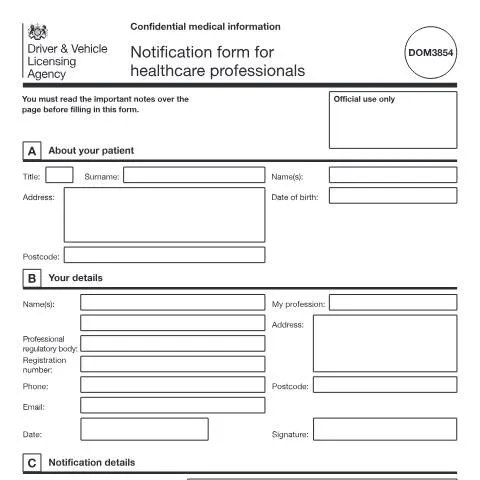
Every day across the UK, healthcare professionals face a delicate balance between patient confidentiality and public safety. The DOM3854 form represents a critical intervention point where medical expertise directly influences driving licence decisions. This notification system allows doctors, nurses, and other qualified healthcare professionals to alert the DVLA when a patient's medical condition may compromise their ability to drive safely, potentially preventing accidents before they occur.
The form serves as a confidential channel through which healthcare providers can fulfil their professional obligation to protect both their patients and the wider public. Unlike patient self-reporting mechanisms, this professional notification carries significant weight in licensing decisions, as it comes from qualified medical personnel with direct knowledge of the patient's condition and its implications for driving safety.
The notification process operates independently of the patient's own awareness or consent, recognising that some medical conditions may impair judgement about driving ability itself. This creates a safeguarding mechanism that extends beyond individual patient care to encompass broader road safety considerations.
Understanding the Professional Obligation Framework
Healthcare professionals operating under various regulatory bodies—from the General Medical Council to the Nursing and Midwifery Council—have established duties regarding patient safety that extend to driving fitness assessments. The DOM3854 form provides the formal mechanism to discharge these obligations when standard patient counselling proves insufficient or inappropriate.
The notification duty typically arises in several distinct scenarios. Acute medical episodes such as seizures, cardiovascular events, or sudden vision loss may require immediate reporting, particularly where the patient lacks insight into their impairment. Progressive conditions like dementia, Parkinson's disease, or diabetic complications often necessitate professional judgement about when declining function crosses the threshold for safe driving.
Mental health professionals frequently encounter situations where psychiatric conditions—severe depression with suicidal ideation, psychotic episodes, or medication side effects—create driving risks that patients may not recognise or acknowledge. The form enables these specialists to communicate complex clinical assessments in a structured format that licensing officers can evaluate effectively.
| Professional Category | Common Notification Triggers | Regulatory Considerations |
|---|---|---|
| General Practitioners | Diabetes complications, cardiac events, medication effects | GMC guidance on confidentiality exceptions |
| Consultant Specialists | Neurological conditions, vision disorders, epilepsy | Specialty-specific reporting thresholds |
| Mental Health Practitioners | Psychotic episodes, severe mood disorders, cognitive impairment | Mental Health Act considerations |
| Occupational Health | Workplace-identified conditions, fitness assessments | Employment law intersections |
Decoding the Three-Part Structure: Beyond Basic Data Collection
Part A of the DOM3854 form demands comprehensive patient identification details that extend beyond simple name and address verification. The date of birth field serves multiple verification purposes, as DVLA systems cross-reference this against driving licence records and previous medical notifications. Incomplete or inaccurate patient details can delay processing significantly, potentially leaving unsafe drivers on the road during extended verification procedures.
The address requirement serves both identification and communication purposes. DVLA may need to contact the patient directly regarding their licence status, making current address information crucial. For patients with temporary addresses—such as those in residential care or temporary accommodation—professionals should provide the most reliable contact point and note any special circumstances in the additional details section.
Professional Credentials: More Than Just Validation
Part B requires detailed professional information that DVLA uses to assess the credibility and relevance of the notification. The registration number and professional regulatory body details enable verification of the notifying professional's standing and qualifications. This verification process can influence how quickly and seriously the notification is processed.
The signature and date requirements create a legal declaration that the information provided represents the professional's honest assessment based on their clinical expertise. This carries potential professional liability implications, emphasising the importance of accurate, well-considered submissions rather than precautionary notifications lacking clinical foundation.
Email addresses provided in this section may be used for follow-up queries from DVLA medical advisers, particularly in complex cases requiring additional clinical information or clarification of the initial assessment.
Clinical Assessment Documentation: The Heart of the Process
Part C presents the most challenging aspect of the form, requiring professionals to distil complex medical situations into clear, actionable assessments. The three core questions—medical condition identification, current fitness assessment, and advice given to patient—create a structured framework for clinical decision-making that directly influences licensing outcomes.
The medical condition description should use precise diagnostic terminology rather than symptom descriptions alone. Specific diagnoses like "Type 1 diabetes with recurrent severe hypoglycaemic episodes" carry more weight than general descriptions like "blood sugar problems." This precision helps DVLA medical advisers apply appropriate assessment criteria and determine necessary restrictions or monitoring requirements.
The fitness assessment question requires careful consideration of functional impairment rather than diagnostic labels alone. A patient with well-controlled epilepsy may remain fit to drive, while someone with recent breakthrough seizures clearly poses risks. This clinical judgement forms the cornerstone of the notification's impact on licensing decisions.
Submission Pathways and Processing Timelines
The DOM3854 form offers two submission routes, each with distinct advantages and processing characteristics. Postal submission to the Drivers Medical Group in Swansea follows traditional administrative channels, typically involving processing times of several weeks depending on case complexity and current workload levels.
Email submission to [email protected] enables faster processing for urgent cases, particularly where immediate licence suspension may be necessary for public safety. However, email submissions must still meet the same documentation standards as postal submissions, including clear scanned signatures and complete supporting documentation.
Supporting clinic letters and test results can significantly enhance the notification's effectiveness. These documents provide context that helps DVLA medical advisers understand the progression of conditions, treatment responses, and prognosis—all factors that influence licensing decisions and potential licence restoration timelines.
Post-Submission Monitoring and Follow-Up
Once submitted, the notification enters DVLA's medical assessment system, where qualified medical advisers review the information against established fitness standards. The processing approach varies considerably based on the condition reported and the urgency indicators within the submission.
Immediate action cases—involving conditions like uncontrolled seizures or sudden vision loss—may trigger rapid licence suspension pending further medical assessment. Less urgent conditions might initiate monitoring requirements or periodic review processes without immediate licence changes.
DVLA typically contacts the patient directly regarding any licensing actions resulting from professional notifications. However, the notifying healthcare professional may receive follow-up queries, particularly in complex cases requiring additional clinical input or clarification of initial assessments.
Navigating Complex Clinical Scenarios
Certain medical situations present particular challenges for DOM3854 submissions, requiring careful consideration of timing, content, and supporting documentation. Progressive neurological conditions like dementia or Parkinson's disease often involve gradual functional decline that makes precise fitness assessment difficult. Professionals must balance early intervention with avoiding premature licence restrictions that could unnecessarily impact patient independence.
Psychiatric conditions require especially nuanced assessment, as mental health symptoms can fluctuate significantly over time. The form's snapshot approach may not fully capture the complexity of conditions like bipolar disorder or recurrent depression, where driving fitness varies with treatment response and symptom management.
Medication-Related Driving Impairment
Prescription medications—particularly those affecting cognition, vision, or reaction times—create complex assessment scenarios for DOM3854 notifications. The form must capture both the underlying condition requiring medication and the potential impairment effects of treatment itself. This dual consideration becomes particularly important with medications like opioids, benzodiazepines, or anticonvulsants where therapeutic necessity must be balanced against driving safety.
Polypharmacy situations, common in elderly patients with multiple comorbidities, may create cumulative impairment effects that exceed the impact of individual medications. Healthcare professionals must consider these synergistic effects when assessing overall driving fitness and completing the notification form.
Professional Liability and Ethical Considerations
Submitting a DOM3854 notification carries significant professional responsibility, as the assessment directly influences licensing decisions that affect patient mobility and independence. Healthcare professionals must balance their duty to protect public safety against potential negative impacts on patient autonomy and quality of life.
The confidential nature of the notification process means patients may be unaware of professional reporting until they receive communication from DVLA regarding their licence status. This creates potential trust issues in the therapeutic relationship, particularly where patients feel their driving fitness assessment was premature or excessive.
Documentation standards become crucial in professional liability contexts, as the notification forms part of the clinical record and may be subject to professional regulatory review. Clear rationale for the fitness assessment and detailed supporting evidence help demonstrate appropriate professional judgement in challenging cases.
Balancing Patient Advocacy with Public Safety
The DOM3854 system recognises that healthcare professionals must sometimes act as advocates for broader public safety rather than solely for individual patient interests. This dual role requires careful ethical consideration, particularly in borderline cases where driving fitness remains uncertain.
Professional guidance from regulatory bodies emphasises that patient counselling about driving risks should precede formal notification where clinically appropriate. However, the form provides essential backup when patient insight is impaired or when voluntary compliance with driving restrictions seems unlikely.
Integration with Broader Medical Assessment Systems
The DOM3854 notification process forms part of a wider medical fitness assessment framework that includes patient self-reporting, routine medical reviews, and post-accident investigations. Understanding how professional notifications interact with these other assessment routes helps healthcare professionals use the system most effectively.
DVLA maintains comprehensive medical records that may include previous notifications, voluntary medical reports, and assessment outcomes from other healthcare providers. The DOM3854 submission becomes part of this cumulative record, potentially influencing future licensing decisions and medical review requirements.
Specialist medical assessments may be triggered by DOM3854 notifications, particularly for complex conditions requiring expert evaluation. These assessments can lead to conditional licensing arrangements, regular review requirements, or adaptation recommendations that enable continued safe driving despite medical conditions.
The notification system also interfaces with insurance and legal frameworks, as medical fitness assessments can influence insurance validity and legal liability in accident situations. Healthcare professionals should be aware that their DOM3854 submissions may be referenced in insurance investigations or legal proceedings involving their patients.
For healthcare professionals working within NHS trusts or private practice groups, the DOM3854 process should integrate with existing clinical governance frameworks and professional development programmes. Regular training on fitness assessment criteria and notification procedures helps ensure consistent, appropriate use of the system across different clinical settings and specialties.
Medical Appeals and Review Process: When DVLA Decisions Don't Go Your Way
If DVLA refuses your licence application or revokes your existing entitlement following medical assessment, you're not without recourse. The appeals system provides structured pathways to challenge decisions, though understanding the process and realistic timeframes proves crucial for managing expectations.
Grounds for Appeal and Initial Review Requests
Appeals typically succeed when new medical evidence emerges or when DVLA's interpretation of existing evidence appears flawed. Common scenarios include cases where specialist consultants disagree with DVLA's medical advisers, or where functional assessments demonstrate capabilities that paper-based medical reports don't capture adequately.
The initial step involves requesting an internal review directly with DVLA. You'll need to submit Form DMED1 (Medical Review Request) within 28 days of receiving the adverse decision, though DVLA sometimes accepts late applications where reasonable cause exists. Include any fresh medical evidence, specialist reports, or functional assessments that weren't available during the original assessment.
Independent medical examinations often prove pivotal during appeals. While you cannot compel DVLA to accept private medical opinions over their own advisers, comprehensive reports from recognised specialists in relevant fields carry significant weight. Occupational therapists' driving assessments, neuropsychological evaluations, or cardiac exercise tolerance tests frequently provide objective evidence that challenges initial determinations.
Magistrates' Court Appeals: The Formal Route
When DVLA upholds their original decision following internal review, you may appeal to the local Magistrates' Court within six months. This represents a formal legal process requiring careful preparation and often legal representation, particularly for complex medical cases.
The court doesn't simply rubber-stamp DVLA decisions but conducts independent assessments of evidence. Magistrates consider whether DVLA's determination was reasonable based on available medical information and applicable legal standards. Success rates vary significantly depending on case circumstances, quality of medical evidence, and legal representation quality.
Court proceedings typically involve presenting comprehensive medical evidence, expert witness testimony, and sometimes demonstrating practical driving capabilities through approved assessment centres. Costs can escalate quickly, though legal aid may be available in exceptional circumstances where wider public interest issues arise.
Alternative Dispute Resolution and Ombudsman Complaints
The Parliamentary and Health Service Ombudsman investigates complaints about DVLA's administrative processes, though not clinical judgment calls. Successful ombudsman complaints typically focus on procedural failures: unreasonable delays, failure to consider relevant evidence, or inadequate communication during the assessment process.
Ombudsman investigations can result in recommendations for compensation, process improvements, or case reconsideration. However, the ombudsman cannot overturn medical decisions or compel licence restoration where clinical evidence supports DVLA's position.
Workplace Implications and Employment Protection
Medical conditions affecting driving capacity create significant workplace challenges, particularly for employees whose roles require driving. Understanding employment rights, reasonable adjustments, and notification obligations helps navigate these complex situations while protecting both career prospects and legal compliance.
Disclosure Obligations to Employers
Employment law doesn't mandate blanket disclosure of medical conditions to employers, but driving-related health issues create specific obligations where driving forms part of job requirements. The key distinction lies between roles where driving is essential versus those where it's merely convenient or occasionally required.
For professional drivers—HGV operators, taxi drivers, delivery personnel—medical conditions affecting driving capability must typically be disclosed immediately. Employment contracts usually contain explicit clauses requiring notification of licence restrictions or revocations. Failure to disclose can constitute gross misconduct justifying immediate dismissal.
Office-based roles where driving is occasional present more nuanced scenarios. If your condition affects your ability to attend off-site meetings, client visits, or emergency call-outs that formed part of your original job description, early disclosure often proves beneficial. This enables constructive discussions about reasonable adjustments before situations become problematic.
Reasonable Adjustments Under Equality Act 2010
Employers must consider reasonable adjustments for employees whose disabilities affect their driving capacity, provided such adjustments don't impose disproportionate burdens on business operations. These might include reassigning driving duties to colleagues, providing alternative transport arrangements, or modifying role requirements to eliminate driving elements.
Successful reasonable adjustments often involve creative problem-solving. Remote working arrangements, relocated office bases to improve public transport access, or job-sharing arrangements with driving-capable colleagues represent common solutions. The emphasis falls on maintaining employment while accommodating medical limitations.
However, reasonable adjustments have limits. Employers aren't required to fundamentally alter job roles, create new positions, or absorb significant ongoing costs. Where driving represents a core job requirement that cannot reasonably be eliminated or transferred, medical incapacity may justify fair dismissal following proper consultation processes.
Company Vehicle Policies and Insurance Implications
Corporate vehicle policies typically require immediate notification of licence changes, medical restrictions, or driving-related convictions. These policies exist partly due to insurance requirements—insurers can void coverage where material changes aren't disclosed promptly.
Medical conditions affecting driving don't automatically disqualify employees from company vehicle use, but they may trigger additional requirements. Some insurers mandate medical assessments, restrict vehicle types, or impose additional premiums for drivers with certain conditions. Fleet managers increasingly work with occupational health services to assess individual cases rather than applying blanket restrictions.
Self-employed individuals and contractors face particular challenges, as they bear full responsibility for insurance compliance and client notification where relevant. Professional indemnity considerations may also arise where driving incapacity affects service delivery capabilities.
Insurance Considerations and Premium Impact
Medical conditions requiring DVLA notification inevitably affect motor insurance arrangements, though the impact varies significantly depending on condition type, severity, and insurer policies. Understanding disclosure requirements and premium implications helps maintain continuous coverage while managing costs effectively.
Material Change Notifications and Policy Validity
All motor insurance policies require notification of material changes that might affect risk assessment, including medical conditions that could impact driving ability. This obligation exists regardless of whether DVLA requires formal notification—insurance law operates independently of licensing requirements.
The definition of "material change" extends beyond obvious conditions like epilepsy or severe visual impairment. Medications causing drowsiness, conditions affecting reaction times, or treatments requiring regular hospital attendance may all constitute material changes requiring disclosure.
Failure to notify material changes can void insurance coverage entirely, leaving drivers personally liable for accident costs and potentially facing prosecution for driving without valid insurance. Even where policies remain technically valid, insurers may refuse claims or reduce settlements where non-disclosure is discovered during claim investigations.
Premium Calculations and Risk Assessment
Insurance premiums for drivers with medical conditions vary enormously between providers, reflecting different risk assessment methodologies and market positioning strategies. Some insurers specialise in covering higher-risk drivers, while others exclude certain conditions entirely or impose prohibitive premiums.
Actuarial data increasingly recognises that many medical conditions, when properly managed and monitored, don't significantly increase accident risk. Well-controlled diabetes, stable cardiac conditions, or successfully treated mental health issues may result in modest premium increases rather than coverage exclusions.
Premium calculations consider multiple factors beyond basic condition diagnosis: treatment compliance, monitoring frequency, specialist supervision, and driving record history. Drivers who demonstrate responsible medical management often secure more favourable terms than those with poorly controlled conditions or irregular treatment engagement.
Specialist Insurance Markets and Broker Services
The specialist insurance market serves drivers with medical conditions, often providing coverage where mainstream insurers decline or quote excessive premiums. These providers typically employ medical underwriters who understand specific conditions and their practical implications for driving safety.
Insurance brokers specialising in medical condition cases can prove invaluable, particularly for complex or rare conditions. They understand which insurers cover specific conditions, how to present medical information effectively, and which policy features provide optimal protection for individual circumstances.
Some insurers offer staged coverage arrangements, where initial policies include restrictions that may be relaxed following successful claim-free periods or improved medical assessments. These arrangements provide pathways back to standard coverage for drivers whose conditions stabilise or improve over time.