The Significance of the Seed Sampling and Testing Request
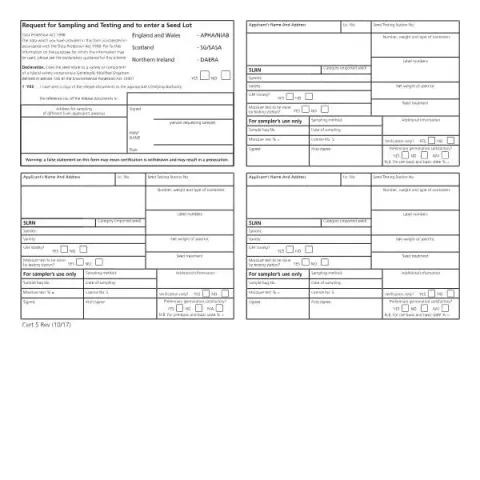
In the intricate realm of agricultural practices, ensuring the quality and safety of seeds is paramount. As the industry faces growing concerns over food security and environmental sustainability, the Request for Sampling and Testing of a Seed Lot document becomes a critical instrument for both producers and regulatory authorities. It allows for the systematic assessment of seed quality, safeguarding agricultural standards and supporting compliance with national and international regulations.
Contextualizing the Regulatory Framework
The necessity for this formal request arises from a series of legislative measures aimed at protecting both plant health and the environment. Under the auspices of the Animal and Plant Health Agency (APHA), this request aligns with the UK’s commitment to uphold high standards in agricultural practices. The regulatory framework includes several key pieces of legislation:
- Environmental Protection Act 1990: This act provides the basis for controlling genetically modified organisms (GMOs) in the UK, mandating strict assessments before their introduction into farming practices.
- Seeds Act 1966: Establishing rules around seed quality, this act emphasizes the need for rigorous testing and sampling to ensure that seeds meet safety standards.
- Plant and Plant Products (Import and Export) Regulations 2019: Governing the importation and exportation of plant products, this regulation necessitates testing for diseases and pests.
These laws collectively safeguard against the introduction of harmful organisms, ensuring that the seeds used in agriculture are both viable and safe for the ecosystem.
Understanding the Sampling Request Process
Completing the Request for Sampling and Testing of a Seed Lot form is a vital step in the pathway towards ensuring seed quality. The process, while straightforward, necessitates careful attention to detail from the applicant.
Identifying the Applicant
The form requires the full name and address of the applicant—this individual or entity is typically the seed producer or supplier who seeks to have their seed lots assessed. It's crucial that the contact information provided is accurate, as it facilitates communication regarding the testing process and results.
Details of the Seed Lot
Applicants must provide specific information about the seed lot, including:
- The species of the seeds being tested
- The variety of the seeds
- Net weight of the seed lot
- Container details such as number, weight, and type
This level of detail is vital because testing protocols can vary significantly based on the type of seed and its intended use.
Indicating Treatment and Testing Requests
The applicant is also required to specify any treatments that the seeds have undergone. This could include chemical treatments or other interventions aimed at enhancing seed viability or resistance to disease. Furthermore, the form allows the applicant to request specific moisture tests, which are critical for understanding seed health and potential for germination.
Timeline: From Submission to Results
Once the request is submitted, understanding the timeline for processing is essential for the applicant. Here’s a typical sequence of events:
- Submission of the Request: The form must be submitted to the designated testing station, which is based on the geographical location of the applicant.
- Sampling Appointment: The APHA will coordinate a sampling appointment, typically occurring within a few weeks of the request submission.
- Sampling Procedure: Trained personnel will collect samples following strict protocols to ensure that the seeds are representative of the entire lot.
- Laboratory Testing: The collected samples are sent to a designated laboratory where they undergo a range of tests.
- Results Notification: Applicants will receive results typically within a month, detailing the seed's viability and quality metrics.
Being aware of this timeline allows applicants to manage their expectations and make necessary arrangements, especially if they are working towards critical planting deadlines.
Implications of Non-compliance or Errors
Filing the Request for Sampling and Testing of a Seed Lot is not only a procedural necessity but also a legal obligation. Here are the consequences of failing to comply or submitting incorrect information:
- Legal Repercussions: Providing false information can lead to legal action, including penalties and revocation of certification.
- Impact on Future Sales: Non-compliance can result in a bad reputation within the industry, potentially affecting the ability to sell seeds in the future.
- Operational Delays: Errors in the submission can lead to delays in testing, affecting planting schedules and agricultural productivity.
It is essential that applicants double-check all information and ensure that it is accurate and complete before submission.
Challenges Faced by Various Stakeholders
Different stakeholders may encounter unique challenges when navigating the request process. For example:
International Applicants
Those outside the UK wishing to submit a sampling request may face additional scrutiny. They must ensure compliance with both UK regulations and the regulations of their home country regarding the importation of seeds.
Minor Producers
Small-scale producers or those new to the industry may find the process daunting. It is crucial for them to seek guidance from local agricultural advisors or cooperatives, which can offer support in understanding the requirements and filling out the form correctly.
Urgent Situations
In cases where time is of the essence—such as last-minute planting due to weather conditions—producers may find it challenging to expedite requests. While APHA strives to accommodate urgent requests, applicants should clearly indicate any time constraints when submitting their form.
What Happens After the Results Are Received?
The outcomes of the tests will significantly influence subsequent actions. Upon receiving the results:
- Positive Results: If the seeds meet the required standards, the applicant can proceed with selling or planting the seeds as intended.
- Negative Results: Should the seeds fail to meet quality standards, the applicant must refrain from using them, which could lead to financial losses if they are pivotal to crop production.
In cases of mixed results, further action may be required, including retesting or additional treatments.
Next Steps in the Event of a Refusal
If an application for sampling and testing is refused, it’s essential for the applicant to understand their rights and potential next steps. The following options may be considered:
- Request for Clarification: Applicants should seek clarification from APHA regarding the reasons for refusal.
- Amending the Request: If possible, correct any errors or omissions and resubmit the request.
- Appealing the Decision: In certain cases, there may be a formal appeal process available, allowing the applicant to challenge the refusal.
Being proactive in addressing refusals can help mitigate long-term impacts on agricultural operations.
Final Thoughts on Compliance and Best Practices
Successfully navigating the Request for Sampling and Testing of a Seed Lot process requires diligence, attention to detail, and a thorough understanding of regulatory requirements. Here are some best practices to ensure compliance:
- Stay Informed: Regularly update yourself on changes in agricultural regulations and practices by engaging with APHA resources.
- Seek Expert Guidance: Do not hesitate to consult with agricultural experts or legal advisors for complex cases.
- Document Everything: Keep thorough records of all submissions, correspondence, and results to ensure accountability and traceability.
Engaging with the processes set by the APHA can lead to better outcomes not only for individual producers but for the agricultural industry as a whole, fostering a sustainable future.
Understanding the Seed Lot Sampling Process
To ensure that the seeds being distributed for agricultural or horticultural purposes are of high quality and meet regulatory standards, the seed lot sampling process is crucial. The process begins with the selection of a representative sample from the seed lot, which is defined as a specific quantity of seeds, all of which have a similar botanical and physical composition. The sampling must adhere to the guidelines established by the Food and Environment Research Agency (Fera) and other relevant bodies.
The first step in the sampling process involves identifying the seed lot. This is where documentation plays a vital role. Ensure that the seed lot is clearly marked with its unique identifiers, such as batch number and date of production. The seed lot should be stored properly, as environmental conditions can impact seed viability.
Next, a trained samplеr, who is often an accredited professional, must take samples according to the specific procedures laid out in the Seeds Regulations 2016. This includes using the right tools and methods to prevent contamination. The size of the sample is typically determined based on the weight and volume of the seed lot, and it is essential to follow the guidelines to ensure statistical relevance.
After sampling, the seeds are sent for testing. There are several tests that seeds may undergo, including germination tests, purity tests, and health assessments. The results of these tests are crucial, as they inform the seed quality and its fitness for intended use. Any non-compliance could lead to immediate actions from regulators, including the rejection of the seed lot.
Types of Seed Testing and Their Significance
Seed testing can be broadly categorized into several types, each focusing on different quality aspects of the seeds. Understanding these types not only ensures compliance but also helps seed producers gauge the marketability of their products.
Fill in your form directly online
No printing: type your details into the boxes of the official form, tick, then download the PDF ready to send.
- 1Type into the form boxes
- 2Tick in one click
- 3Save and download the PDF
Germination Tests: This is one of the most critical tests for a seed lot. The germination test assesses the ability of seeds to sprout under specific conditions. It provides a percentage of germination rate, which is crucial for farmers to understand how many seeds to plant to achieve a desired crop yield.
Purity Tests: These tests determine the percentage of pure seeds versus weed seeds, other crop seeds, and inert matter in a seed lot. This testing is vital for preventing the spread of weeds in agricultural fields and ensuring that farmers are planting the seeds they intend to.
Disease Testing: Seeds can carry diseases that may not be evident until they affect the plants. Disease testing examines seeds for specific pathogens that could be harmful to crops. The results can have significant implications for crop health, food safety, and agricultural profitability.
Moisture Content Analysis: The moisture content of seeds significantly affects their storage life and viability. High moisture levels can lead to fungal growth, while too low can affect germination. This test is essential for determining appropriate storage conditions and ensuring long-term viability.
Genetic Testing: In some cases, particularly with genetically modified organisms (GMOs), testing may be required to ascertain the genetic makeup of the seeds. This is vital for regulatory compliance and for consumers who wish to avoid GMOs.
Each test plays a significant role in the overall quality assurance of seeds. Compliance with these tests, as stipulated in the guidelines set by the Animal and Plant Health Agency (APHA), not only protects public health and the environment but also enhances consumer confidence in agricultural products.
Regulatory Compliance and Record Keeping
Maintaining proper documentation and ensuring compliance with regulations is a fundamental aspect of the seed lot testing process in the UK. The legal framework governing seed quality and safety is primarily outlined in the Seeds Regulations 2016, which is enforced by various regulatory agencies.
When applying for seed testing, it is important to complete the necessary forms such as the Seed Sampling Request Form (SSRF) accurately. This form typically requires details of the seed lot, including its origin, quantity, intended use, and any previous testing history. Failure to provide complete information may result in delays or issues during the testing process.
Record-keeping is essential not only for compliance but also for traceability. Each stage of the seed testing process should be documented meticulously. This includes records of sampling, testing results, and any correspondence with testing facilities. According to the UK GDPR, it is important to handle all personal data related to seed lot owners and samples with care, ensuring compliance with data protection regulations.
In cases where the testing reveals adverse results, documentation becomes even more critical. Regulatory bodies may request access to records as part of their investigations. Clear records can protect seed producers from potential legal actions and help in managing disputes with customers or suppliers.
In addition to retaining records for regulatory compliance, they are crucial for auditing purposes. Regular internal audits can help identify gaps in the seed testing process and lead to improvements in quality assurance practices.
By understanding the complexities of the seed lot sampling and testing process, producers can mitigate risks and enhance the quality of their offerings. This not only fosters trust among consumers but also contributes to sustainable agricultural practices across the UK.