Navigating Soil Sampling Consent for Scheduled Monuments: What You Need to Know
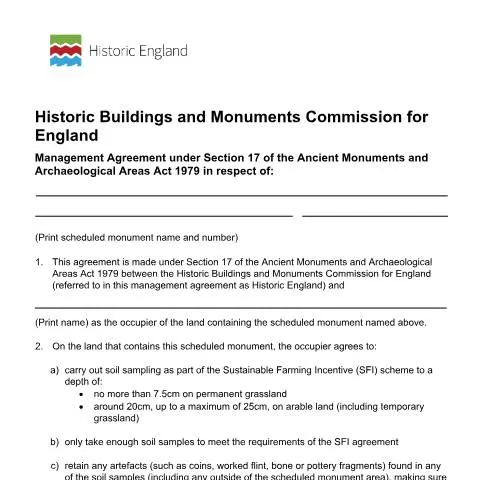
Engaging with the Department for Environment, Food & Rural Affairs (DEFRA) to secure consent for soil sampling on scheduled monuments is a crucial step for land occupiers participating in the Sustainable Farming Incentive (SFI). Whether you're a farmer or land manager, understanding the nuances of the consent process can significantly impact your agricultural practices and heritage conservation efforts.
Understanding Your Responsibilities: The Occupier’s Role
As the occupier of land that hosts a scheduled monument, you hold specific responsibilities outlined in the agricultural agreement. This section elucidates what is expected of you:
- Soil Sampling Guidelines: You are permitted to carry out soil sampling to a controlled depth of 7.5cm for permanent grassland and up to 25cm for arable land. This limitation is essential for maintaining the integrity of archaeological remains.
- Artefact Handling: It is imperative to retain any artefacts discovered during sampling. This includes items such as coins or pottery, which must be recorded and reported to Historic England.
- Access Allowance: You must allow representatives of Historic England access to the site without prior notice during reasonable hours to ensure compliance and oversight.
Completing the Consent Form: Step-by-Step
Fulfilling the requirements of the consent form necessitates attention to detail. Here’s a methodical guide on how to approach this:
Gather Necessary Information
Before you begin filling out the consent form, ensure you have the following details at hand:
- Name and address of the occupier.
- Email address for communication purposes.
- Specific scheduled monument name and number, which must be clearly stated.
Filling Out the Form
When filling out the form, ensure that:
- You print your details clearly to avoid any misunderstandings.
- You sign and date the form to validate your consent.
- Before sending, double-check all entries against the guidelines provided in the consent agreement.
Submission Methods: Choosing the Right Channel
Once completed, you have several options for submitting the consent form. Understanding the differences between these channels can help streamline the process:
- Email Submission: Scan your signed form and send it to the appropriate local Historic England office. Ensure that the scanned copy is legible and all signatures are visible.
- Postal Submission: If you prefer a traditional approach, post a hard copy of the signed form. Choose an adequate postal service to ensure timely delivery.
- In-Person Submission: For those who prefer face-to-face interactions, visiting the local office of Historic England may also be an option, provided you schedule an appointment.
Implications of Non-compliance: What Happens If You Don't Submit?
Failing to submit the consent form can lead to significant consequences:
- Legal Ramifications: Engaging in soil sampling without the necessary consent can be construed as a breach of the Ancient Monuments and Archaeological Areas Act 1979, resulting in penalties.
- Loss of Incentives: Participation in the SFI could be jeopardized if consent is not obtained, preventing access to financial support and resources.
- Impact on Heritage Conservation: Unauthorized sampling could harm archaeological resources, adversely affecting England's cultural heritage.
Addressing Potential Obstacles: Refusals and Missing Documents
There may be times when you encounter refusals or discover missing components in your submission. Here’s how to effectively navigate these challenges:
What To Do If Your Consent Is Refused
If Historic England denies your consent request, you should:
- Request a detailed explanation for the denial to understand the underlying issues.
- Consider amendments to your proposal based on the feedback received.
- Reapply with the necessary changes after addressing the concerns raised.
Handling Missing Documents
If you realize that some documents are missing, promptly:
- Contact Historic England for guidance on how to proceed.
- Gather any necessary documentation as advised.
Differentiating the Consent Form from Similar Documents
It’s important to clearly distinguish this consent form from other forms that may cause confusion. Here are the key differences:
| Document | Purpose | Submitting Authority |
|---|---|---|
| Soil Sampling Consent | Allows soil sampling on scheduled monuments | Historic England via DEFRA |
| Land Management Agreement | General management of agricultural land | DEFRA |
| Environmental Impact Assessment | Evaluates potential environmental effects of a project | Local Planning Authority |
Final Thoughts: Ensuring Compliance and Conservation
Engaging in soil sampling on scheduled monuments is more than just a regulatory requirement; it represents a commitment to sustainable farming practices and the preservation of historical sites. By correctly navigating the consent process and adhering to established guidelines, you will not only safeguard your interests but also contribute to the rich tapestry of England's agricultural and cultural landscape.
To maintain transparency and ensure that the consent process is followed diligently, record all interactions and communications with Historic England and retain copies of submitted forms. This practice will aid in any future audits or inquiries regarding your compliance with the SFI guidelines.
Understanding the Legal Framework for Soil Sampling on Scheduled Monuments
In the UK, soil sampling on scheduled monuments is governed by a complex legal framework designed to protect archaeological sites while allowing for sustainable agricultural practices. Under the Ancient Monuments and Archaeological Areas Act 1979, scheduled monuments are given special protection due to their cultural significance. This means that any work affecting these sites, including soil sampling, typically requires consent from the Secretary of State for Digital, Culture, Media and Sport.
Farmers and landowners looking to carry out soil sampling must submit a formal application detailing their proposed activities. This application should include:
Project Justification: A clear explanation of the purpose of the soil sampling, such as how it contributes to sustainable farming practices or soil health assessments.
Methodology: Detailed descriptions of the sampling methods to be used, including the number and locations of soil samples, as well as the tools and techniques for extraction. It’s crucial to ensure that the methods are minimally invasive to avoid disturbing the archaeological integrity of the site.
Impact Assessment: A thorough assessment of how the proposed sampling might impact the scheduled monument. This could involve consulting with archaeologists or heritage consultants who can provide insight into potential risks and mitigation strategies.
Mitigation Measures: Any measures planned to minimize damage to the monument, such as scheduling work during off-peak times or using less invasive sampling techniques.
It’s essential to consult the specific guidance provided by Historic England, which outlines the criteria and process for obtaining consent. Additionally, obtaining the correct permissions from local councils or land management agencies may also be necessary, depending on the location of the scheduled monument.
The Role of the Sustainable Farming Incentive in Soil Management
The Sustainable Farming Incentive (SFI) is a pivotal component of the UK government's agricultural policy, aiming to reward farmers for adopting environmentally friendly practices. While the SFI primarily focuses on enhancing soil health, it also intersects with regulations governing soil sampling on scheduled monuments. Farmers participating in the SFI may find that their eligibility for certain payments is affected by whether they can show compliance with regulations regarding the protection of scheduled monuments.
Key aspects of the SFI related to soil management include:
Soil Health Assessment: Farmers enrolled in the SFI are encouraged to conduct regular soil health assessments. This can involve soil sampling, provided that it’s done in compliance with existing regulations surrounding scheduled monuments. The SFI provides guidance on best practices for assessing soil health, ensuring that farmers are equipped with the knowledge needed to carry out these assessments responsibly.
Financial Incentives for Compliance: Under the SFI, farmers can receive payments for practices that improve soil quality, such as cover cropping, reduced tillage, and organic amendments. However, any soil sampling carried out on scheduled monuments must be carefully managed to maintain eligibility for these payments. Farmers are advised to document their compliance with the necessary consents and regulations, as this will be critical during inspections or audits.
Education and Resources: The SFI also emphasizes the importance of education in soil management. Farmers can access resources and training to help them understand the legalities surrounding soil sampling, including the protocols for handling scheduled monuments. Collaborating with local conservation groups or agricultural advisors can enhance a farmer's understanding of both sustainable practices and regulatory compliance.
By aligning the goals of the Sustainable Farming Incentive with the protections afforded to scheduled monuments, farmers can not only contribute to environmental sustainability but also ensure that they are safeguarding their cultural heritage.
Best Practices for Engaging with Stakeholders
Effective communication and engagement with stakeholders is vital when planning soil sampling activities on scheduled monuments. This encompasses not only farmers and landowners but also local authorities, heritage organizations, and the community. Here are some best practices for stakeholder engagement:
Early Consultation: Engaging with stakeholders early in the planning process helps to identify potential concerns and areas of interest. This can involve hosting meetings with local councils, heritage bodies, and community groups to discuss the planned soil sampling and its objectives. Early consultations can foster goodwill and cooperation, making it easier to navigate the complexities of consent applications.
Transparent Communication: Providing clear, accessible information about the purpose and methods of soil sampling can alleviate concerns from stakeholders. This should include details about how the activities will be conducted, the expected outcomes, and the steps taken to protect the monument. Transparency can help to build trust and demonstrate a commitment to protecting local heritage.
Feedback Mechanisms: Establishing channels for stakeholders to provide feedback can enhance community involvement. This could be in the form of public forums, surveys, or informal discussions. Actively soliciting input can help address concerns early on and can provide valuable insights that may improve the planning and implementation of soil sampling activities.
Ongoing Relationships: Building long-term relationships with stakeholders can facilitate smoother interactions in future projects. This can include regular updates on progress, sharing results of soil sampling, and involving stakeholders in subsequent discussions regarding land management and sustainable practices.
By prioritizing stakeholder engagement, farmers can ensure that their soil sampling activities are conducted responsibly and with respect for the cultural and historical significance of scheduled monuments. This collaborative approach not only promotes sustainable farming practices but also reinforces the importance of preserving the heritage for future generations.