Understanding the Official Search of the Index: A Vital Step in Property Transactions
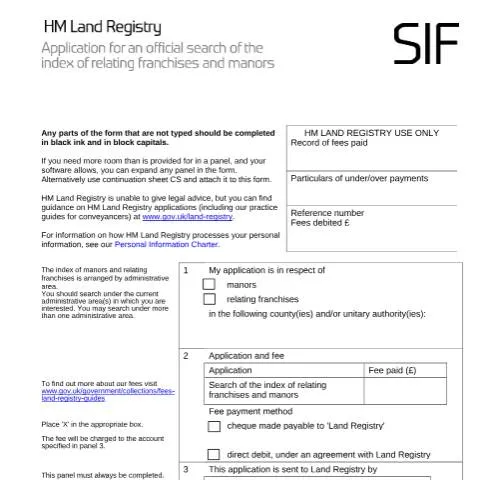
When engaging in property transactions in the United Kingdom, particularly when dealing with manors and franchises, the importance of thorough research cannot be overstated. A crucial component of this process is the official search of the index, known as the Franchises and Manors: Apply for an Official Search of the Index (SIF) form. This document plays a pivotal role in ensuring that potential buyers and legal representatives can acquire the necessary information regarding the land they are interested in.
The Role of the SIF Form in Property Transactions
The SIF form serves as an official request directed to HM Land Registry, enabling individuals to conduct searches concerning historical land rights tied to manors and franchises. By submitting this form, applicants can uncover significant details that may affect their ownership rights or any future transactions involving the property in question.
Understanding the potential implications of these historical land rights is essential, as they can influence both the value and the usability of a property. For example, certain manorial rights may grant privileges or impose restrictions that could impact future development or land use.
Key Aspects of the SIF Process
- Type of Inquiry: The form allows searches specifically for manors and franchises, an area that often confuses property buyers due to its historical complexities.
- Administrative Area: The index is categorized by administrative areas, meaning applicants must specify the relevant counties or unitary authorities to conduct their search effectively.
- Fee Structure: A fee is attached to the application, which varies based on the nature of the search; understanding this aspect is crucial for budgeting.
Who Needs to Complete the SIF Form?
The SIF form is primarily utilized by those involved in property transactions, including:
- Property Buyers: Individuals looking to purchase property must ensure they are aware of any existing manorial rights or franchises.
- Solicitors and Conveyancers: Professionals responsible for guiding clients through property transactions will frequently submit this form on behalf of their clients.
- Developers: Those interested in developing land must assess any historical rights that could impede or facilitate their plans.
Step-by-Step Guide to Filling Out the SIF Form
Completing the SIF form accurately is essential to ensure a successful search. Below is a detailed guide on how to navigate this process:
Section Breakdown
- Applicant Information: Fill in your name, address, email, and contact number. Ensure that all details are accurate, as incorrect information can lead to delays.
- Type of Search: Indicate whether your inquiry pertains to manors, franchises, or both. Be specific to avoid confusion.
- Administrative Areas: Clearly list the counties and/or unitary authorities where your property of interest is located. If there are multiple areas, ensure you provide all relevant details.
- Payment Details: Select your payment method (cheque or direct debit) and ensure to provide the necessary payment details. Remember that applications cannot proceed without the fee being settled.
Submission Channels and Their Distinctions
Applicants can submit the SIF form via several channels, each with its own advantages:
- Online Submission: Submitting the form online is often the fastest option. It ensures a quicker processing time and immediate confirmation of receipt.
- Postal Application: If you prefer a traditional approach, you can send the completed form via post. This route may take longer, so ensure you send it well ahead of any deadlines.
- In-Person Submission: Although less common, applicants may also deliver their forms directly to local HM Land Registry offices. This option provides an opportunity to clarify any queries on-the-spot.
Comparative Analysis of Submission Methods
| Submission Method | Processing Time | Confirmation | Cost |
|---|---|---|---|
| Online Submission | Fastest (1-2 working days) | Immediate | Standard Fee |
| Postal Application | Moderate (up to 10 working days) | Delayed (not immediate) | Standard Fee |
| In-Person Delivery | Instant Processing | Immediate | Standard Fee |
What Happens After Submission?
Once the SIF application has been submitted, applicants can expect the following steps:
- Processing: HM Land Registry will begin processing the search request. Depending on the submission method, this may take varying amounts of time.
- Results Notification: Once processed, applicants will receive a response detailing the findings from the search, including any relevant manorial rights or franchises associated with the property.
- Next Steps: Based on the findings, applicants may need to consult their solicitors for further legal guidance or decide on the next course of action regarding the property transaction.
Understanding the Search Results
The results of the search will typically include:
- A list of any manorial rights affecting the property, which can have significant implications for ownership.
- Details of any franchises that may impact the use or enjoyment of the property.
- Information on how to contest or appeal any findings if necessary.
Special Considerations: Unique Circumstances
While the SIF form is generally straightforward, there are unique scenarios that may complicate the process:
International Applicants
Foreign nationals looking to invest in UK property may face additional requirements. It is advisable for these applicants to consult with legal experts who specialize in UK property law to navigate the complexities.
Complex Situations
If the property is part of a larger estate, or if there are multiple owners, the process may require additional documentation. In such cases, seeking professional legal advice is essential to ensure that all parties are adequately represented and informed.
Urgent Requests
In scenarios requiring expedited processing, applicants should communicate their needs clearly when submitting the SIF form. While standard processing times apply, HM Land Registry may accommodate urgent requests under specific circumstances.
How the SIF Form Differs from Other Forms
The SIF form is often confused with other forms used within the land registration and property transaction processes. Understanding these differences is crucial:
- Application to Register a Title (Form AP1): This form is used to register newly acquired properties. The SIF form, by contrast, deals specifically with searches regarding historical rights.
- Official Copies Request (Form OC1): This form requests copies of documents relating to land registration. Unlike the SIF form, it does not pertain to manorial or franchise inquiries.
Recognizing the Form's Unique Contribution
The SIF form's specific focus on manorial and franchise rights sets it apart. This unique emphasis underscores its significance in safeguarding property buyers and ensuring transparency throughout the transaction process.
Tracking Your Application: Staying Informed
After submitting the SIF form, applicants can monitor the status of their application through:
- Online Portal: If submitted online, tracking will often be integrated into the submission platform.
- Contacting HM Land Registry: For postal applications, contacting the relevant office via phone or email can provide updates.
How to Follow Up Effectively
When following up on your application, ensure you provide:
- Your reference number, if applicable.
- The nature of your inquiry.
- Your contact details for any necessary correspondence.
Conclusion: Ensuring a Smooth Property Transaction Process
Completing the Franchises and Manors: Apply for an Official Search of the Index (SIF) form is an essential step in the property transaction process for those dealing with manors and franchises. By understanding its purpose, submission methods, and the implications of the search results, applicants can ensure they navigate the complexities of property law with confidence. Engaging with this form not only protects potential buyers but contributes to a transparent and informed property market in the UK.
Understanding Franchises and Manors in the UK Legal Context
In the UK, the terms 'franchise' and 'manor' refer to distinct legal concepts that may influence property rights and land management. A manor historically refers to a piece of land that was granted to a lord and includes various rights over the land and its tenants. However, the concept has evolved, and now it often pertains to property interests where the lordship might still exist but in a more symbolic or administrative sense.
On the other hand, a franchise is a right or privilege granted to an individual or corporation by the Crown or another authority, typically allowing them to conduct certain activities within a defined geographical area. Examples can include rights to hold markets, to collect tolls, or to operate public services. Understanding these distinctions is crucial when engaging in an official search of the index (SIF), particularly when assessing the implications of ownership and the legal rights associated with the property in question.
When conducting a search, you will be looking for information on how these rights may affect the property you're interested in. For example, if you discover that a franchise exists on your prospective property, it might impact your usage rights, obligations, or the financial aspects of owning that property. Additionally, any historic manorial rights present can influence the maintenance and operations of the property, making thorough research essential for potential buyers and current owners alike.
Steps to Conduct an Official Search of the Index (SIF)
Conducting an official search of the index (SIF) is a structured process designed to provide insights into the legal status of a property concerning manorial rights and franchises. Here’s a detailed breakdown of the steps involved in conducting this search:
- Identify the Land Registry Office: The local Land Registry Office is the first point of contact for conducting your search. You can find contact details for your local office on the HM Land Registry website.
- Gather Property Information: Before initiating the search, compile all relevant information about the property. This should include the full address, the title number (if available), and any historical details that might assist in the search process.
- Complete the Appropriate Application Form: Depending on the specifics of your search, you may need to fill out a specific application form. This will typically be a form that requests a search of the index and may require details of any known franchises or manorial rights.
- Submit Your Application: Ensure you submit your application along with any required fee. The fees can vary depending on the nature of the search and whether it is conducted online or in person. Check the Land Registry's fee schedule for the most accurate information.
- Wait for Processing: After submission, the Land Registry will process your request. This may take a few days to a couple of weeks, depending on their current workload and the complexity of your request.
- Receive the Search Results: Upon completion, you will receive a report detailing any franchises, manorial rights, or other pertinent information identified during the search. Review this report carefully, as it will inform you of any legal responsibilities or restrictions associated with the property.
By following these structured steps, you can effectively navigate the complexities of land ownership in the UK and ensure you are fully informed about any historical or current rights that may impact your property.
Implications of Discovering Manorial Rights or Franchises
When conducting an official search of the index (SIF), discovering that your property is subject to existing manorial rights or franchises can have significant implications. Here are some key considerations to keep in mind:
- Property Use and Development: If a franchise exists on your property, it may restrict your ability to develop or alter the property as you see fit. For example, if a franchise grants someone else the right to conduct certain activities (like running a market), that could limit your plans for the property.
- Financial Obligations: Certain franchises could come with financial obligations, such as paying fees or royalties to the franchise holder. It's essential to understand these potential costs upfront, as they could affect your budget for property maintenance and improvements.
- Rights of Access: Manorial rights might grant certain individuals access to your property for specific reasons. Understanding these rights is necessary to avoid potential disputes with neighbouring landowners or stakeholders, ensuring that you respect their rights while also protecting your own interests.
- Long-term Ownership Considerations: If you are looking at a long-term investment in property that is subject to manorial rights or franchises, it’s wise to seek legal counsel. A solicitor with expertise in property law can help you navigate the implications and suggest strategies to mitigate any risks associated with these rights.
Understanding the implications of manorial rights and franchises is vital for any property owner in the UK. By conducting a thorough search and seeking professional advice, you can make informed decisions that align with your property ownership goals.