Understanding the Licensed Testing Station Application Process
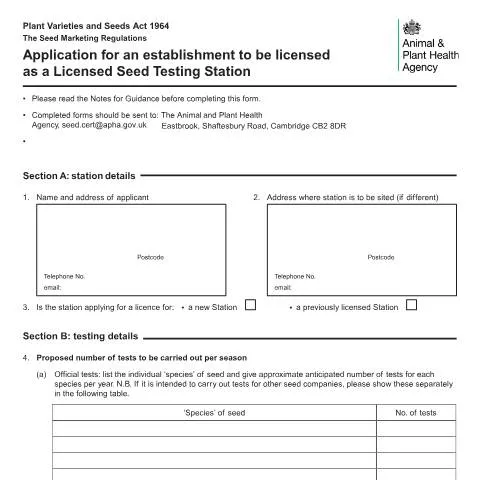
The Licensed Testing Station application, overseen by the Animal and Plant Health Agency (APHA), serves as a critical gateway for laboratories wishing to perform seed testing. This document is essential for ensuring that seed testing stations meet the necessary standards and regulations under the Seed Marketing Regulations. The implications of this application process can directly affect the operational capacity of businesses engaged in seed testing, making it crucial for stakeholders to understand every step involved.
The Significance of a Licensed Testing Station
Setting up a licensed testing station is not without its responsibilities. By obtaining a license, establishments gain the authority to conduct both official and unofficial seed tests, which can be pivotal in quality assurance protocols. This license not only enhances a laboratory's credibility but also opens avenues for conducting tests on behalf of other seed companies.
Moreover, the ability to perform official seed tests directly impacts the marketability of seed products, ensuring they comply with the standards set forth by the APHA and relevant agricultural bodies.
Who Should Apply?
The application is typically submitted by laboratories looking to operate as licensed seed testing facilities. This may include independent laboratories, seed production companies, and research institutions. Each applicant must appoint an Analyst-in-Charge, who takes the lead on laboratory operations and compliance with official testing protocols.
- New Stations: Those that have never been licensed before.
- Previously Licensed Stations: Those renewing or reapplying for a license after a lapse.
The Application Journey: From Preparation to Submission
Filling in the Licensed Testing Station application form involves several key steps that must be meticulously followed to avoid delays or rejections.
Gathering Required Information
Before diving into the form, ensure you have the following information ready:
- Station Details: Name, address, and contact information
- Testing Details: Types and expected volume of tests
- Staff Information: Qualifications and roles of those involved in testing
Completing the Application Form
The form is divided into sections, each requiring specific details:
- Station Details: This includes both the applicant's contact details and the proposed testing facility's address.
- Testing Details: Here, applicants must specify the species of seeds tested and the anticipated number of tests—both official and unofficial. Clarity in this section is critical.
- Staff Details: Identify the Analyst-in-Charge and other qualified personnel, detailing their time allocation to various tasks.
Each section must be filled accurately to reflect the operations of the testing station. Appendices can be used for additional information if necessary.
Submitting Your Application: Methods and Channels
Once completed, your application can be submitted through different channels. Understanding these options is vital for ensuring timely processing.
Online Submission
Submitting the application via email is not only convenient but also allows for quick communication with APHA. Email your completed application to [email protected], ensuring all attachments are included.
Postal Submission
Alternatively, applications can be sent via traditional mail. Address your submission to:
Animal and Plant Health Agency Eastbrook, Shaftesbury Road Cambridge CB2 8DR
Whichever method you choose, ensure that the application is clear and legible to avoid miscommunication or processing delays.
Timeline: Key Dates and Milestones
Understanding the timeline associated with the Licensed Testing Station application is crucial for planning purposes.
Application Processing Times
The APHA aims to process applications promptly, typically within 10 to 15 working days from the date of submission. However, be prepared for potential delays due to additional clarifications or if further documentation is needed.
Post-Submission Follow-Up
Once submitted, you can follow up on your application by contacting APHA directly. Keeping records of your submission date and method will aid in any queries you may have.
What Happens Next: Understanding the Licensing Decision
Once your application is processed, the outcome can take two primary forms—approval or rejection. Understanding what each decision entails is crucial for your operational planning.
Approved Applications
Upon approval, you will receive official notification from APHA, which will include details regarding your license and any conditions that apply. It’s imperative to adhere to these conditions to maintain your license status.
Rejections and Next Steps
An unsuccessful application can be disheartening but understanding the reasons is essential. Common reasons for rejection include:
- Insufficient details regarding testing operations
- Lack of proper qualifications among staff
- Inadequate facilities as per the regulatory standards
If your application is rejected, you will receive feedback on the specific issues that led to the decision. Importantly, applicants have the right to rectify these issues and resubmit their applications.
Ensuring Compliance: The Role of the Analyst-in-Charge
The Analyst-in-Charge plays a pivotal role in ensuring that the licensed testing station operates within the confines of the law. This individual must not only oversee testing procedures but also ensure compliance with the Data Protection Act 2018 and the UK GDPR governing personal data processing.
Training and Qualifications
It’s essential for the Analyst-in-Charge to possess relevant qualifications and experience in seed testing. Maintaining ongoing training and professional development is critical to keeping up-to-date with evolving regulations and practices.
Maintenance of Licensing Standards
Once licensed, testing stations are subject to periodic reviews to ensure compliance with operational standards. Understanding the necessity of these evaluations can aid testing stations in maintaining their licenses.
Periodic Inspections
APHA may conduct inspections to ensure that licensed testing stations adhere to the stipulated regulations. This can involve checking documentation, staff qualifications, and actual testing procedures being employed.
Reporting Changes
If there are any significant changes to the operations of the testing station—such as changes in staff, facilities, or testing protocols—it is the responsibility of the station to inform APHA promptly. Failure to do so could lead to penalties or revocation of the license.
Preparing for Contingencies: Handling Issues or Complaints
In the event of complications, maintaining a proactive approach is essential. Understanding your rights and the process for addressing grievances can significantly smooth the path forward.
Responding to Errors or Missing Information
If you discover that your application has been submitted with errors or incomplete information, contact APHA immediately. They may allow you to provide supplementary information or correct mistakes during the initial processing phase.
Fill in your form directly online
No printing: type your details into the boxes of the official form, tick, then download the PDF ready to send.
- 1Type into the form boxes
- 2Tick in one click
- 3Save and download the PDF
Appeals Process for Refusals
Should your application be refused, you have the right to appeal the decision. Gather all relevant information regarding the initial application and the reasons for refusal, as this will support your case.
- Contact the APHA: Initiate the appeal process by contacting them directly.
- Provide Supporting Evidence: Detail changes made since the refusal to enhance your case.
Final Thoughts: A Commitment to Quality and Compliance
The journey to establishing a Licensed Testing Station is one marked by diligence and regulatory adherence. By comprehensively understanding the application process, maintaining compliance, and preparing for potential setbacks, stakeholders can position their laboratories for success within the competitive field of seed testing.
With clear documentation, qualified personnel, and a commitment to uphold the standards mandated by the APHA, your application process can transform from a bureaucratic requirement into a stepping stone for quality assurance within the plant health ecosystem.
Understanding the Licensed Testing Station (LTS) Application Process
Applying for a Licensed Testing Station (LTS) involves several critical steps designed to ensure that your facility meets the necessary standards set by the Driver and Vehicle Standards Agency (DVSA). The LTS application process starts with understanding what qualifies a facility as a testing station. A LTS must be equipped with appropriate equipment, staff, and must adhere to various legal and safety requirements. The first step is to complete the application form (form VT01) which can be submitted either online or via post. This form includes essential details about the location, type of testing (MOT or other), facilities available, and compliance with the required standards.
Once you submit the application, the DVSA will conduct an inspection of the premises to ensure it fulfills the necessary criteria. This includes checking the workshop's layout, ensuring that the testing equipment is compliant, and that environmental standards are met. Be prepared to demonstrate your compliance with the Health and Safety at Work Act 1974, as well as other relevant regulations. Additionally, you will need to provide proof of your qualifications and experience, particularly if you or your staff will be carrying out the testing.
If you pass the inspection, you will be granted a license that needs to be renewed periodically. Renewal processes require you to continue meeting safety and operational standards and may include additional inspections. It is crucial to stay abreast of any changes in DVSA regulations that may affect your license status or operational obligations.
Financial Considerations When Applying for a Licensed Testing Station
The financial aspects of establishing a Licensed Testing Station (LTS) can be daunting but are a crucial factor in the planning stage. Initial costs may include renovations to the facility to meet DVSA standards, purchasing necessary testing equipment, and ongoing operational costs such as utilities, staff salaries, and insurance. Depending on the size and location of your testing station, these initial costs can vary significantly, so it’s imperative to conduct a detailed cost analysis before proceeding.
In addition to initial costs, you must consider ongoing expenses such as the annual license renewal fee and any potential costs related to compliance with updated health and safety regulations. You may also want to factor in additional costs for training staff and potential marketing efforts to attract customers to your testing station. It's advisable to create a comprehensive financial plan that outlines all anticipated expenses and possible income streams from providing testing services.
Furthermore, exploring potential funding options or grants available for automotive businesses may be beneficial. Certain local governments or industry groups may offer financial assistance or resources to help new testing stations establish themselves. Ensure to research any such opportunities that might alleviate some of the financial burden associated with starting an LTS.
Compliance and Quality Standards for Licensed Testing Stations
Maintaining compliance with DVSA standards is not just a one-time effort but an ongoing commitment that is essential for the reputable operation of a Licensed Testing Station (LTS). Compliance extends beyond simply passing the initial inspection; it requires continuous adherence to the rigorous standards set forth by the DVSA. This includes regular maintenance checks of your testing equipment, updating personnel qualifications, and ensuring that all health and safety protocols are consistently followed.
Regular self-audits and quality assurance checks should be instituted within your operation. This means assigning a dedicated staff member to oversee compliance, who can keep records of all maintenance and inspections, and ensure that any issues are addressed promptly. Additionally, consider regular training sessions for your staff to keep everyone informed about the latest regulations and best practices in quality assurance related to vehicle testing.
Moreover, customer feedback can also play a significant role in maintaining compliance and service quality. Establish a feedback mechanism to gather insights from customers regarding their experiences at your testing station. This can help identify areas for improvement and ensure that you meet customer expectations, while also adhering to DVSA requirements. Quality service can lead to repeat business and positive word-of-mouth referrals, both of which are invaluable for the success of your testing station.