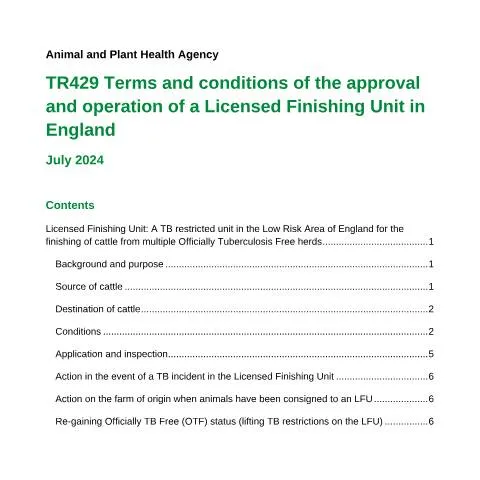
Navigating the Path to Licensed Finishing Units: Understanding the Application Process
Setting up a Licensed Finishing Unit (LFU) for cattle is not just a regulatory requirement; it’s an essential step for farmers operating in the Low Risk Area (LRA) of England who wish to maintain high biosecurity standards while ensuring animal health. This application process, governed by the Animal and Plant Health Agency (APHA), is vital for cattle sourced from Officially Tuberculosis Free (OTF) herds. Here, we will explore the intricate details of the LFU application process, helping you understand its significance, the steps involved, and what to expect after submission.
Dissecting the LFU Application: Key Sections of the Form
The LFU application form is structured to gather comprehensive information about the intended unit and its operations. Each section serves a specific purpose, which must be filled out accurately to avoid potential delays or refusals.
- Unit Information: This section requires precise details about the LFU, including the location, size, and type of facility. Be diligent in providing accurate data, as any inconsistencies could raise red flags.
- Biosecurity Measures: Here, you will outline the biosecurity protocols you plan to implement. APHA places a strong emphasis on these measures, so detailing your strategies is crucial.
- Source of Cattle: Only cattle from OTF herds can be accepted into LFUs. Ensure that you can provide proof of the herd's status to support your application.
- Operational Plan: This section should detail how the LFU will function day-to-day, including how cattle will be managed, health monitoring practices, and reporting processes.
Completing these sections thoroughly and accurately is essential for a smooth application process.
Timeframes and Deadlines: A Chronological Overview
The LFU application timeline is crucial for any farmer considering this pathway. Understanding the deadlines and the subsequent steps can help you plan effectively.
- Preparation Period: Before submitting your application, spend time gathering necessary documentation regarding your herd, biosecurity plans, and unit layout. This might take several weeks.
- Submission of Application: Once you have completed the application, it can be submitted to APHA. Ensure that all sections are filled out comprehensively; otherwise, your application might be returned for corrections.
- Inspection Scheduling: After submission, APHA will review your application and may schedule an inspection to evaluate your unit and biosecurity measures. This can occur within a few weeks, depending on their workload and your unit's location.
- Approval Notification: If your application is successful, you will receive a notification from APHA. They will outline any specific conditions or recommendations for operating your LFU.
Each phase is vital, and attention to detail is paramount to ensure a smooth progression through the application process.
Responding to Application Outcomes: When Things Don’t Go as Planned
Unfortunately, there are times when an application for a Licensed Finishing Unit might be refused or returned for amendments. Understanding your options in these situations is essential.
"In the event of a refusal, you’ll typically receive a letter detailing the reasons for the decision. Address these points specifically in your response."
Here are some possible actions to consider if faced with a refusal:
- Understanding the Reasons: Review the feedback provided by APHA carefully to comprehend the issues that led to the refusal.
- Correcting the Application: If your application was returned due to missing information or errors, address these promptly. Ensure you gather any additional documentation required.
- Appeal Process: If you believe that your application was unfairly denied, you can inquire about the appeal process. APHA is obligated to provide guidance on how you can formally appeal their decision.
Maintaining open lines of communication with APHA is crucial during this phase, as they can provide valuable insights into how to resolve issues effectively.
Understanding Your Responsibilities: The Role of the Licensed Finishing Unit
Once your LFU is operational, it’s vital to understand the responsibilities associated with managing a unit. The aim of an LFU is to ensure disease security and animal health while complying with legal requirements.
- Compliance with TB Restrictions: Your LFU must operate under imposed TB restrictions, ensuring that no cattle from non-OTF herds are admitted.
- Routine Monitoring and Reporting: Regular health assessments and reporting to APHA are essential to maintain the unit’s status and ensure compliance with biosecurity measures.
- Emergency Protocols: It is crucial to have contingency plans in place to deal with any TB incidents within the unit. This includes immediate reporting to APHA and implementing biosecurity measures to prevent spread.
Failing to adhere to these responsibilities can lead to severe penalties, including potential closure of the LFU.
Exploring Submission Channels: Online vs. Paper Applications
When it comes to submitting your LFU application, you have a choice between online and paper submissions. Each method has distinct advantages and considerations.
| Submission Method | Advantages | Considerations |
|---|---|---|
| Online Submission |
|
|
| Paper Submission |
|
|
Your choice of submission method may depend on your familiarity with digital systems or personal preferences in record management.
Anticipating Follow-Up: Tracking Your Application Status
After submission, it’s essential to stay engaged with the process to ensure your application is progressing. Here’s how you can effectively track your application status:
- Direct Communication: You can contact APHA directly via their dedicated contact channels. Keep your reference number handy for a quicker response.
- Written Inquiries: If you prefer a more formal approach, consider submitting a written inquiry regarding your application status.
- Documentation: Keep copies of all correspondence related to your application. This documentation may prove useful if any discrepancies arise.
Being proactive can help you address any potential issues before they escalate and ensure your LFU is set up as planned.
Final Considerations: Preparing for Your LFU Journey
Embarking on the journey to establish a Licensed Finishing Unit is a significant commitment, requiring thorough preparation and compliance with APHA guidelines. By understanding the application process, obligations, and potential hurdles, you can navigate the complexities involved effectively. The role of LFUs in maintaining the health of cattle herds cannot be overstated, and ensuring proper adherence to regulations will contribute to the broader goal of disease control in livestock.
As you prepare your application, focus on the details, maintain open communication with APHA, and implement stringent biosecurity protocols. These measures will not only facilitate successful approval but will also contribute to the overall health and safety of your cattle and the wider agricultural community.