Unlocking the Importance of the Health Certificate for Ovine and Caprine Ova and Embryos
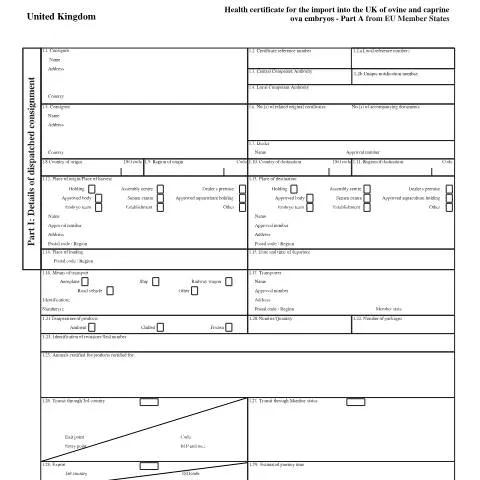
When it comes to the importation of ovine and caprine ova and embryos, the stakes are high. This isn't just about livestock; it's about maintaining the health and genetic integrity of populations across borders. The official health certificate, specifically the Import Ovine, Caprine Ova or Embryos (Part A; 2014/802), serves as a critical document connecting importers, exporters, and various health authorities.
Eligibility Requirements for Obtaining the Health Certificate
Obtaining the health certificate requires a clear understanding of who can apply and under what conditions. Here are some of the key eligibility criteria:
- Consignor Qualifications: The consignor must be an approved body or organization that meets the standards set by the Animal and Plant Health Agency (APHA).
- Animal Health Status: The animals from which the ova or embryos are derived must come from holdings with a negligible or controlled risk of classical scrapie. This means continuous monitoring of animal health is crucial.
- Documentation: The consignor must provide documentation detailing the origin and health status of the donors, as well as compliance with relevant EU directives, particularly Directive 92/65/EEC.
Types of Institutions Involved
Different institutions may be involved in various capacities:
- Embryo Collection Teams: Must be approved and supervised in accordance with specific EU directives.
- Transporters: The means of transport must comply with the health standards outlined in the certificate.
- Competent Authorities: Local and central authorities are responsible for reviewing and approving the submissions for health certification.
Understanding the Validity and Renewal of the Health Certificate
The validity of the health certificate is a crucial factor impacting trade in ova and embryos. Generally, this certificate remains valid for a specific duration, but the nuances can vary:
- Standard Validity: The certificate is typically valid until the animals or products are used or for a limited time frame, usually within the confines of specific regulations.
- Renewal Process: Should the certificate expire before use, a new certificate may be required, necessitating a fresh inspection and documentation from the relevant local competent authority.
- Retention of Records: Importers are advised to keep copies of the health certificate and related documentation for a minimum of three years for compliance and audit purposes.
Concrete Uses of the Health Certificate in Trade
When engaging in international trade of ovine and caprine ova and embryos, the health certificate is not just a formality; it has real implications:
- Regulatory Compliance: The certificate is often required by customs and border control agencies to ensure that imported items meet safety and health standards.
- Trade Agreements: Importing countries may have specific trade agreements that require health certificates to facilitate smoother entry of agricultural products.
- Insurance Purposes: In cases of disputes or claims regarding the health status of the imported material, the health certificate serves as a legal document to establish accountability.
Who Requires the Health Certificate?
Several stakeholders are involved in the importation process:
- Importers: Must ensure compliance with health regulations to avoid potential penalties.
- Government Authorities: Tasked with maintaining public health and animal welfare standards.
- Veterinarians: Must verify health statuses, ensuring that all claims are accurately reflected in the documentation.
Steps to Secure the Health Certificate
The process to obtain the health certificate can be intricate but is manageable when broken down into clear steps. Here’s a streamlined approach:
- Consultation: Engage with a local competent authority to understand specific requirements.
- Preparation of Documentation: Assemble all necessary documents, including health records of the animals involved and compliance forms.
- Application Submission: Submit the application along with the requisite documents to the APHA or local authority.
- Inspection: An official veterinarian will conduct an inspection to verify the health status and compliance of the animals.
- Issuance of Certificate: Upon successful inspection and approval, the health certificate will be issued.
Legal Implications and Juridical Value of the Health Certificate
The health certificate serves as more than just a regulatory document; it carries significant legal weight. Here’s what it attests to:
- Animal Health Assurance: Confirms that the ova or embryos come from animals free of specific diseases like classical scrapie.
- Compliance with EU Regulations: Verifies that all procedures followed comply with EU directives, specifically Directive 92/65/EEC.
- Legal Protection: In case of disputes regarding the health of the imported material, the health certificate serves as a legal defense for both importers and exporters.
Legal Responsibilities
Both importers and exporters have a shared responsibility in ensuring that the provided health certificate is accurate and truthful. Misrepresentation can lead to serious legal consequences, including:
- Pursuit of Legal Action: Against parties that fail to provide accurate health information.
- Financial Penalties: Imposed by customs authorities for non-compliance with health standards.
- Revocation of Import Licenses: Authorities may suspend or revoke licenses based on repeated violations.
Addressing Issues: What to Do in Case of Loss or Errors
While efforts are made to ensure accurate documentation, mistakes can happen. Here’s how to mitigate issues related to lost or erroneous health certificates:
- Reporting Loss: Immediately report any loss of the health certificate to the issuing authority, providing details regarding the circumstances.
- Requesting a Reissue: Apply for a reissued health certificate by submitting relevant information and any supporting documents.
- Correcting Errors: If errors are found, contact the issuing authority to initiate a rectification process. Provide clear details about the discrepancies.
Future Considerations and Best Practices in Managing Health Certificates
As regulations evolve and international trade becomes more complex, staying informed and adaptive is essential. Here are some best practices for managing health certificates:
- Regular Training: Importers should regularly train staff on compliance and documentation processes to ensure understanding of current regulations.
- Proactive Communication: Maintain open lines of communication with local authorities to stay updated on changes in guidelines or requirements.
- Documentation Management: Implement a robust tracking system for all health certificates, ensuring that they are easily accessible and securely stored for future reference.
Wrapping Up: The Critical Role of the Health Certificate in Animal Trade
The health certificate for the importation of ovine and caprine ova and embryos is more than just paperwork; it is a safeguard for animal health, international trade, and public health standards. By understanding its significance, eligibility requirements, and the steps involved in obtaining it, stakeholders can navigate the complexities of animal importation more effectively.
Understanding the Health Certification Process for Importing Ovine and Caprine Ova or Embryos
The process of importing ovine and caprine ova or embryos into the United Kingdom is strictly regulated to maintain biosecurity and animal health standards. To ensure compliance, importers must navigate the requirements set forth by the Animal and Plant Health Agency (APHA). This section provides a detailed examination of the health certificate process, including the necessary documentation, the role of veterinary inspections, and critical timelines.
First and foremost, an official health certificate must be obtained from the exporting country. This certificate must confirm that the ova or embryos meet the health and welfare standards as defined by UK regulations. Importers should work closely with their veterinary professionals to ensure that the certificate includes all required information, such as:
- The health status of the donor animals, including any tests for specific diseases.
- The origin of the ova or embryos, detailing the farm or facility where they were collected.
- Compliance with any specific health requirements set by the UK, such as testing for Bluetongue or other diseases relevant to the species being imported.
Moreover, the health certificate must be signed by an official veterinarian from the exporting country, verifying the accuracy of the information provided. It's essential to check that the veterinarian's signature aligns with the importing standards, and that they are recognised by the APHA.
Once the health certificate is obtained, importers should also be aware of the requirement for pre-import inspections. In some cases, the APHA may need to conduct an inspection of the facility from which the ova or embryos are being exported. This is particularly true if the importing country has had recent outbreaks of diseases that could affect ovine or caprine health.
Lastly, timely submission of the health certificate to the APHA is crucial. Importers must present this documentation at the port of entry, ensuring that it is completed accurately and filed appropriately to avoid delays in the import process.
Post-Import Compliance and Quarantine Regulations
Upon arrival in the UK, ovine and caprine ova or embryos must adhere to stringent post-import compliance measures. These measures are designed to safeguard local animal populations and ensure that imported materials do not introduce harmful pathogens. Importers should familiarize themselves with the specific quarantine regulations that apply to their imports.
Typically, imported ova and embryos are subject to a quarantine period during which they must be housed in a secure environment. This quarantine helps ensure that any potential pathogens can be identified and managed before the materials are introduced to the domestic herd. Importers should be prepared to provide details about the facilities that will be used for quarantine, including biosecurity measures in place to prevent cross-contamination.
In addition to quarantine, regular health monitoring must be implemented during this period. Importers are responsible for conducting health checks as per guidelines from the APHA, and this includes documenting any signs of illness in the imported materials. Accurate record-keeping is vital not only for adherence to regulations but also for potential future audits by the APHA.
Furthermore, failure to comply with quarantine regulations can lead to severe penalties, including seizure of the ova or embryos and potential bans on future imports. Therefore, it's crucial for importers to understand their obligations and work closely with the APHA to ensure compliance.
Potential Challenges and Considerations for Importers
Importing ovine and caprine ova or embryos is not without its challenges. Importers should consider various factors that could impact the success of their importation efforts. This section highlights potential hurdles and how to navigate them effectively.
One significant challenge is the varying regulations between different countries. Countries may have different requirements for health certifications, testing procedures, and disease management strategies. It is essential for importers to conduct thorough research on the regulations specific to the exporting country to ensure compliance with both local and UK laws.
Additionally, fluctuations in international trade agreements can also affect the import process. Changes to trade agreements may introduce new tariffs or restrictions that could affect costs and logistics. Keeping abreast of trade negotiations and potential impacts on import regulations is crucial for successful operations.
Moreover, logistical issues such as transportation delays can pose risks to the viability of imported ova and embryos. Importers should plan for contingencies, such as ensuring that transport conditions maintain the necessary temperature and handling protocols to preserve the quality of the materials. Having a reliable transport partner can alleviate some of these concerns.
Lastly, importers must remain vigilant about biosecurity risks. The introduction of new ova or embryos can potentially introduce diseases to local herds. Engaging with veterinary professionals and remaining compliant with health monitoring protocols can help mitigate these risks.