Understanding the LIQ09 Document: A Necessity in Liquidation Procedures
The passing of a liquidator can present a complex challenge for those involved in the liquidation process of a company. The requirement to formally notify Companies House of a deceased liquidator is encapsulated in the LIQ09 notice, a critical document that facilitates the continuity of the liquidation process. This guide delves into the nuances of the LIQ09, exploring its significance, procedural requirements, and the potential pitfalls that stakeholders must navigate.
The Target Audience: Who Needs the LIQ09?
The LIQ09 notice is primarily aimed at individuals and entities involved in the liquidation of a company where a liquidator has passed away. Key stakeholders include:
- Surviving Joint Liquidators: If there is more than one liquidator appointed, the surviving liquidator must submit the notice.
- Members of the Deceased Liquidator’s Firm: Colleagues and partners may take the initiative to notify Companies House on behalf of the deceased.
- Officers from the Company: Company officers may also be responsible for fulfilling this requirement, ensuring that the company’s legal obligations are met.
- Personal Representatives: Executors or administrators of the deceased’s estate are legally positioned to handle such notifications.
Understanding who is expected to file the LIQ09 is essential in ensuring that the liquidation process remains compliant with legal standards and avoids unnecessary disruption.
Key Components of the LIQ09: Navigating the Document
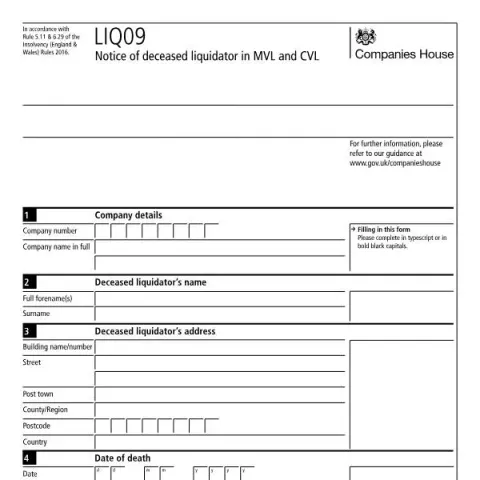
The LIQ09 form is not merely an administrative task; it holds substantial weight in legal proceedings regarding company liquidation. The document contains specific sections that must be filled out accurately:
- Company Details: This section requires the full name and company number, which must align with the information held by Companies House.
- Deceased Liquidator’s Information: Essential details about the liquidator, including their full name, address, and date of death.
- Signatory Details: The individual delivering the notice must provide their name, address, and capacity, such as their role related to the deceased liquidator.
Each of these components is integral to the processing of the notice, and failure to provide accurate information could lead to delays or rejection of the filing.
Procedural Steps: Filing the LIQ09
Completing the LIQ09 is a straightforward process, yet it requires attention to detail. Here’s a step-by-step approach to ensure compliance:
- Gather Necessary Information: Collect all required personal and company details prior to filling out the form.
- Complete the Form: Ensure all sections are filled in typescript or in bold black capitals for clarity.
- Review for Accuracy: Double-check to ensure all information is correct and matches the public register.
- Sign and Date: The notice must be signed by the person delivering it, affirming their authority to submit the document.
- Submit to Companies House: Though you can send the document to any Companies House address, it is recommended to send it to the one in Cardiff for expediency.
This procedural clarity helps to streamline the process and reduces the risk of errors that may lead to complications.
Common Misinterpretations: Navigating the LIQ09 Safely
Despite its straightforward nature, several common misinterpretations can arise around the LIQ09 notice:
- Assuming a Delay is Acceptable: Stakeholders may erroneously believe that notifying Companies House of a deceased liquidator can be delayed. Timely submission is crucial.
- Mismatched Information: Failing to align company details with the public register can lead to rejection of the notice.
- Misinterpretation of Signatory Capacity: Individuals may not fully understand who is eligible to sign off on the notice; clarity on this point is essential.
Addressing these common pitfalls is vital for ensuring a smooth continuation of the liquidation process and maintaining compliance with legal stipulations.
The Role of the LIQ09 in the Broader Liquidation Context
Filing the LIQ09 document is just one step in the intricate web of company liquidation. It's essential to consider how it interacts with other documents and procedures within the broader insolvency framework:
- Insolvency Notices: The LIQ09 may need to be linked with notices regarding the appointment of a new liquidator if applicable.
- Public Records: All information submitted via the LIQ09 is made public, which can influence perceptions and decisions made by creditors.
- Legal Consequences: The failure to file the LIQ09 can lead to legal repercussions and complications in the ongoing liquidation process.
Understanding the interconnectivity of these documents is crucial for anyone involved in the liquidation process, ensuring a holistic approach to compliance.
Beyond the LIQ09: Contextual Considerations in Liquidation
In addition to the LIQ09, stakeholders should be aware of other relevant documents that may come into play during the liquidation process:
| Document | Purpose |
|---|---|
| LIQ01 | Notice of appointment of a liquidator |
| LIQ02 | Notice of an extraordinary resolution to wind up a company |
| LIQ03 | Statement of affairs |
| LIQ04 | Report of the liquidator |
These documents collectively inform the status and progress of the liquidation, with the LIQ09 serving as an essential acknowledgement of the liquidator's passing.
Final Consideration: The Importance of Prompt Action
The death of a liquidator places an undeniable strain on the liquidation process, and the timely submission of the LIQ09 notice is critical to help ensure that operations continue smoothly. Stakeholders must prioritise this step in the wake of such events and be vigilant about following up with any additional requirements that may arise as the process unfolds.
Understanding and navigating the complexities surrounding the LIQ09 is essential for all parties involved in the liquidation process, ensuring compliance and preserving the integrity of the insolvency proceedings.
Understanding the Role of a Liquidator in the UK
In the context of UK business law, a liquidator plays a crucial role in the winding up of a company's affairs. When a company becomes insolvent, a liquidator is appointed to collect its assets, pay off debts, and distribute any remaining assets to shareholders. The liquidator can be an individual or a licensed insolvency practitioner and is responsible for ensuring the process is conducted in compliance with the Insolvency Act 1986.
Fill in your form directly online
No printing: type your details into the boxes of the official form, tick, then download the PDF ready to send.
- 1Type into the form boxes
- 2Tick in one click
- 3Save and download the PDF
The role of a liquidator can be broadly categorized into two types: voluntary liquidators, who are appointed by the company shareholders, and compulsory liquidators, who are appointed by the court. In both cases, the liquidator has a fiduciary duty to act in the best interests of the creditors and shareholders. They must also maintain transparency throughout the process and provide regular updates to interested parties, including creditors and the court.
In the unfortunate event of a deceased liquidator, it is essential to notify the relevant authorities promptly. This ensures that any ongoing liquidation processes are not unduly delayed and that a replacement liquidator can be appointed. The notice of a deceased liquidator, using the LIQ09 form, is a legal requirement that facilitates the continuation of the liquidation process without interruption.
Steps to Appoint a New Liquidator after Notice of Deceased Liquidator
Once you have submitted the LIQ09 form to notify Companies House of the deceased liquidator, the next step is to facilitate the appointment of a new liquidator. This process is critical to ensure the continuity of the liquidation and involves several key steps that must be adhered to:
- Review the Company’s Articles of Association: Before proceeding, check the company's articles to understand the provisions regarding the appointment of a new liquidator. This document will outline any specific requirements or processes that need to be followed.
- Notify Creditors: Inform the creditors about the death of the liquidator and the upcoming changes in the handling of the liquidation. This can be done through a formal letter or notice, ensuring transparency and maintaining the trust of the creditors during the transition.
- Hold a Meeting of Creditors (if required): Depending on the situation, it may be necessary to convene a meeting of creditors to discuss the appointment of a new liquidator. This provides an opportunity for creditors to voice any concerns and to participate actively in the decision-making process.
- Select a New Liquidator: The selection of a new liquidator can be done by agreement among the creditors or, in some cases, through a vote. It is essential to choose an individual or firm with the appropriate qualifications, experience, and licenses to handle insolvency matters.
- File the Appointment with Companies House: After the new liquidator has been appointed, the next step is to complete and submit the appropriate forms to Companies House, including the LIQ7 form for the appointment of a liquidator. This formalizes the change and updates the public record.
- Communicate Changes: Finally, ensure all stakeholders, including employees, creditors, and suppliers, are informed of the change in liquidators. Clear communication is vital to maintain trust and ensure the process continues smoothly.
By following these steps, companies can effectively manage the transition of liquidators and minimize disruptions in the liquidation process.
Common Challenges in the Notification Process and How to Overcome Them
Notifying Companies House about a deceased liquidator using the LIQ09 form can come with its own set of challenges. Understanding these potential obstacles and how to address them can streamline the process and help ensure compliance with UK insolvency regulations:
- Incorrect or Incomplete Information: One of the most common issues arises from submitting an incorrect or incomplete LIQ09 form. To mitigate this risk, double-check all details, including names, registration numbers, and dates. It may be beneficial to consult with a legal professional who specializes in company law to ensure accuracy.
- Delay in Processing: The processing of the LIQ09 form can take time, leading to potential delays in appointing a new liquidator. To overcome this, consider following up with Companies House to confirm receipt and inquire about processing times. Establishing open communication will help you stay informed.
- Lack of Clear Documentation: The deceased liquidator's estate may require clear and thorough documentation relating to their role and responsibilities. Ensure that all pertinent records are organized and ready for review. This includes financial statements, correspondence with creditors, and any previous reports filed with Companies House.
- Emotional Challenges: The passing of a liquidator can evoke emotional responses, especially if they were well-known within the company. Acknowledging this emotional aspect is crucial. Setting up a support network for employees and stakeholders affected by the loss can help manage these feelings and ensure a smoother transition.
- Resistance from Creditors: Some creditors may resist changes, especially if they have established relationships with the deceased liquidator. To address this, proactively engage with creditors, providing them with information about the new liquidator's qualifications and approach. Building trust and rapport can alleviate concerns and facilitate a smoother transition.
By anticipating these challenges and preparing accordingly, businesses can navigate the notification process more effectively and ensure a seamless transition to a new liquidator while maintaining compliance with legal requirements.