When Laboratory Research Meets Border Controls: The Critical Gateway for Animal Pathogen Imports
Every year, thousands of research samples containing animal pathogens cross Britain's borders for legitimate scientific purposes. From diagnostic specimens needed to investigate disease outbreaks to vaccine development materials, these imports serve vital public health and veterinary functions. Yet each shipment represents a potential biosecurity risk that requires careful evaluation through the Animal and Plant Health Agency's import licensing system.
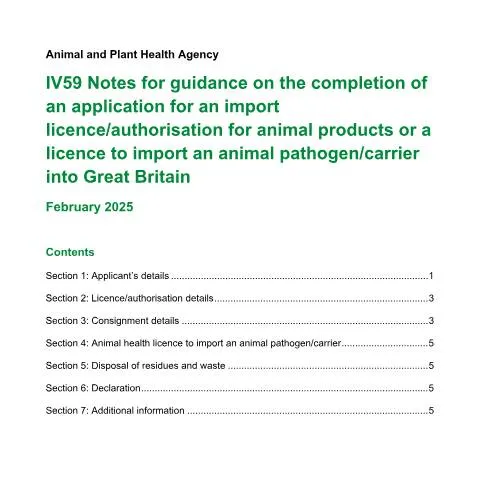
The Animal pathogens and products: import licence application serves as the primary gateway for researchers, laboratories, and institutions seeking to bring animal-derived materials or pathogenic organisms into Great Britain. This comprehensive assessment process balances the legitimate needs of scientific research against the fundamental requirement to protect both animal and human health from the inadvertent introduction of dangerous diseases.
Unlike routine commercial import procedures, pathogen licensing involves detailed scrutiny of laboratory facilities, containment protocols, and end-use purposes. The Animal and Plant Health Agency examines not just what is being imported, but where it will be handled, by whom, and under what conditions. This multi-layered evaluation ensures that materials reach only appropriately equipped and qualified recipients.
Understanding the Scope: What Triggers the Licensing Requirement
The licensing requirement encompasses a surprisingly broad range of materials beyond obvious pathogenic cultures. Animal-derived products requiring licences include diagnostic specimens, tissue samples, blood products, and any biological material that may harbour infectious agents. Even seemingly innocuous materials like processed animal feeds or pharmaceutical ingredients derived from animals may fall within scope if they pose potential disease transmission risks.
The distinction between materials requiring standard import authorisation versus full pathogen licensing often centres on biological activity and contamination potential. Live microorganisms, whether intentionally cultured or present as contaminants, automatically trigger the pathogen licensing pathway. Similarly, any material intended for direct contact with animals or use in vaccine production typically requires enhanced scrutiny.
Specified Animal Pathogens, as defined under the Specified Animal Pathogens Order, follow a separate pathway through General Licence IV69 rather than individual applications. These high-risk agents—including foot-and-mouth disease virus, classical swine fever, and Newcastle disease virus—are subject to the most stringent controls due to their devastating potential impact on livestock populations.
| Material Type | Typical Processing Time | Key Assessment Criteria |
|---|---|---|
| Diagnostic specimens | 15+ working days | Laboratory containment, end-use purpose |
| Vaccine components | 20+ working days | Manufacturing standards, distribution controls |
| Research cultures | 15+ working days | Containment level, researcher qualifications |
| Specified pathogens | Variable | General Licence compliance |
Laboratory Containment Assessment: The Heart of Risk Evaluation
The Animal and Plant Health Agency's evaluation process centres heavily on the receiving laboratory's containment capabilities and operational standards. This assessment extends far beyond simple facility accreditation to encompass the entire risk management framework surrounding pathogen handling.
Containment level determination follows the Advisory Committee on Dangerous Pathogens (ACDP) classification system, which categorises biological agents according to their risk to human and animal health. However, the agency's assessment considers not just the pathogen's intrinsic hazard level, but the specific context of its intended use and the laboratory's capacity to manage associated risks.
Laboratories handling materials under the Specified Animal Pathogens Order require specific licensing beyond general containment approval. These facilities must demonstrate compliance with detailed guidance notes covering everything from air filtration systems to waste disposal protocols. The agency may conduct site inspections to verify that stated containment measures exist and function effectively.
Quality assurance systems receive particular attention during the evaluation process. Accreditation to ISO 17025 standards or adherence to Good Laboratory Practice principles provides strong evidence of systematic risk management. However, the agency recognises that smaller research facilities may achieve equivalent safety standards through alternative approaches tailored to their specific operations.
Risk Assessment Documentation Requirements
Every receiving laboratory must maintain comprehensive risk assessments covering all handled materials. These documents should address not only immediate handling risks but also storage, transport, and disposal considerations. Staff training records and emergency response procedures form integral components of the overall risk management framework.
The agency may request sight of risk assessments in exceptional cases, particularly where novel pathogens or unusual handling procedures are involved. Well-documented risk assessments that clearly articulate control measures and mitigation strategies significantly strengthen licence applications and may expedite processing times.
Navigating the Application Process: From Submission to Decision
Successful licence applications require careful attention to completeness and accuracy across all sections of the form. The Animal and Plant Health Agency emphasises that incomplete applications inevitably result in processing delays, as additional information requests extend evaluation timelines beyond the standard 15 working days minimum.
Applicant details must include comprehensive contact information for both the importing organisation and the designated person responsible for receiving materials. The agency requires direct communication channels to resolve any queries that arise during border clearance procedures. Agent details become particularly crucial for imports arriving at ports where the primary importer cannot be immediately present.
Consignment details demand precise specification of material quantities, packaging arrangements, and transport conditions. Vague descriptions like "various diagnostic samples" provide insufficient information for proper risk assessment. Instead, applications should detail specific sample types, preservation methods, and any special handling requirements during transit.
The destination address carries particular significance beyond simple delivery logistics. The agency assesses the degree of containment available at the specified location, requiring that materials proceed directly to approved facilities without intermediate storage or handling at unsuitable locations.
Processing Timeline Considerations
The stated 15 working days minimum processing time assumes complete applications containing all necessary information. Complex cases involving novel pathogens, unusual containment requirements, or multi-site distribution arrangements may require extended evaluation periods. Applicants should factor these potential delays into research project timelines.
Emergency applications receive prioritised handling where genuine urgency can be demonstrated, such as diagnostic materials needed for disease outbreak investigations. However, poor planning does not constitute grounds for emergency processing, and applicants should submit routine applications well in advance of required delivery dates.
Managing Animal Contact Risks: Beyond Laboratory Boundaries
The licence evaluation extends beyond laboratory containment to consider potential pathogen exposure through personnel who may have contact with susceptible animals. This assessment recognises that even researchers working with contained materials may inadvertently transfer pathogens through contaminated clothing, equipment, or personal contact.
Direct animal contact presents the most obvious transmission pathway, particularly where laboratory staff maintain livestock, horses, or poultry either professionally or as personal interests. The agency evaluates the probability and potential consequences of such contact, implementing proportionate restrictions based on specific pathogen characteristics.
Some pathogens pose minimal transmission risks through casual contact, particularly those requiring specific vectors or environmental conditions for survival. In these cases, the agency typically imposes few restrictions on personnel activities outside the laboratory setting. However, highly transmissible agents may require more stringent isolation measures.
Indirect transmission through contaminated fomites—clothing, vehicles, equipment—requires equally careful consideration. Pathogens capable of surviving on inanimate surfaces for extended periods may necessitate enhanced decontamination protocols and restricted movement between laboratory and farm environments.
Proportionate Risk Management Approaches
The agency applies risk-based approaches that avoid unnecessarily restrictive conditions while maintaining appropriate protection levels. Factors considered include pathogen survival characteristics, transmission routes, susceptible species distributions, and the effectiveness of available control measures.
Personnel working with low-risk materials may face minimal restrictions on their activities, while those handling dangerous pathogens might require temporary isolation from susceptible animals. These determinations reflect scientific assessment rather than blanket precautionary approaches.
Disposal Protocols and Waste Management Obligations
Proper disposal of pathogenic materials and associated waste represents a critical component of the licensing framework. The Animal and Plant Health Agency requires detailed disposal plans that ensure complete pathogen inactivation while complying with broader environmental and waste management regulations.
Materials imported under pathogen licences must be handled in accordance with assimilated Regulation (EC) No 1069/2009 governing animal by-products. This comprehensive framework establishes categories of animal-derived materials and specifies appropriate handling, storage, and disposal requirements for each category.
Premises handling animal by-products require specific registration beyond general laboratory approvals. This registration system ensures that facilities maintain appropriate standards for material segregation, storage conditions, and waste processing. Failure to maintain valid registration may invalidate import licences and prevent legal receipt of materials.
Disposal methods must achieve complete pathogen inactivation through validated processes such as autoclaving, incineration, or chemical treatment. The agency may specify particular disposal requirements based on pathogen characteristics and local environmental considerations. Documentation of disposal activities provides essential audit trails for regulatory compliance.
Coordination with Waste Management Authorities
Laboratory waste containing pathogenic materials often falls under multiple regulatory frameworks simultaneously. Coordination between animal health licensing, environmental waste regulations, and workplace safety requirements ensures comprehensive compliance without conflicting obligations.
Fill in your form directly online
No printing: type your details into the boxes of the official form, tick, then download the PDF ready to send.
- 1Type into the form boxes
- 2Tick in one click
- 3Save and download the PDF
Commercial waste disposal services handling pathogenic materials require appropriate authorisation and demonstrated competence in biosafety procedures. Laboratories should verify contractor credentials and maintain records of all waste transfer activities.
When Applications Face Challenges: Addressing Deficiencies and Appeals
Not all licence applications proceed smoothly through the evaluation process. Common challenges include inadequate containment facilities, insufficient risk assessments, unclear end-use purposes, or concerns about personnel qualifications. Understanding how the agency addresses these deficiencies helps applicants respond effectively and avoid unnecessary delays.
Information requests represent the most frequent form of application challenge. Rather than rejecting incomplete applications outright, the agency typically seeks additional information or clarification on specific points. Prompt, comprehensive responses to these requests minimise processing delays and demonstrate applicant competence.
Facility upgrades may be necessary where existing containment measures prove inadequate for proposed materials. The agency can provide guidance on required improvements, though implementation responsibility rests with the applicant. Significant facility modifications may necessitate site inspections before licence approval.
In cases where applications cannot be approved as submitted, the agency may suggest alternative approaches that achieve equivalent safety outcomes. These might include modified handling procedures, enhanced containment measures, or restrictions on material use that address identified risk concerns.
Appeal Procedures and Alternative Solutions
Applicants disagreeing with licence decisions may request reconsideration through formal appeal processes. Appeals should present new evidence or identify procedural errors rather than simply restating original arguments. Independent review panels may be convened for complex cases involving significant scientific or commercial interests.
Alternative import pathways may be available where standard licensing proves problematic. These might include collaborative arrangements with approved facilities, modified material specifications that reduce risk levels, or phased import programmes that allow gradual capability development.
Integration with Broader Import Control Systems
Animal pathogen licensing operates within a complex web of import control systems covering everything from customs procedures to veterinary health certificates. Successful importers understand how these various requirements interconnect and plan accordingly to avoid conflicts or delays at border inspection points.
Border Inspection Posts serve as the physical gateway where pathogen licences are verified against arriving consignments. These facilities maintain specialised handling capabilities for biological materials and coordinate with various regulatory agencies to ensure comprehensive compliance checking.
Veterinary health certificates may be required alongside pathogen licences, particularly for materials originating from countries with specific disease concerns. These certificates provide assurance about the health status of source animals and the absence of particular pathogens of concern.
Customs procedures for biological materials often involve specialised handling requirements due to temperature sensitivity, containment needs, or time-critical processing demands. Coordination between licensing authorities and customs services helps ensure that regulatory compliance checking proceeds efficiently without compromising material integrity.
The integration of electronic licensing systems with border control databases increasingly streamlines the verification process, reducing delays and improving accuracy of compliance checking. However, importers should maintain paper copies of all documentation as backup for any system failures or communication issues.
Understanding this interconnected regulatory landscape enables importers to anticipate requirements, prepare comprehensive documentation packages, and coordinate effectively with multiple agencies involved in the import process. This holistic approach significantly improves the likelihood of smooth, timely clearance for legitimate scientific materials while maintaining the high biosecurity standards essential for protecting Britain's animal health.