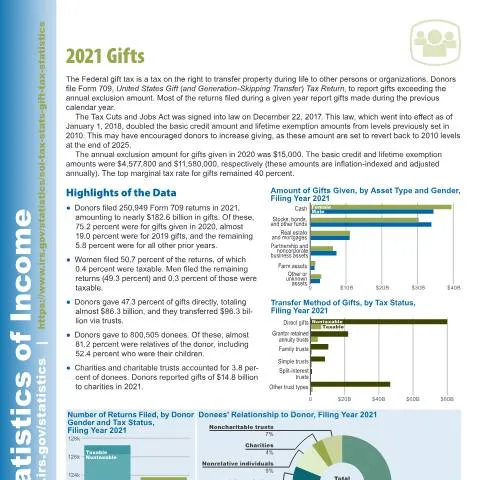
Understanding IRS Publication 5368: The Foundation of Gift Tax Reporting
Gift-giving can be a generous act, but in the United States, it can also trigger specific tax obligations. One essential document that plays a crucial role in this process is IRS Publication 5368. This publication guides individuals on the intricacies of the federal gift tax, covering everything from who needs to report gifts to the various exclusions and exemptions applicable. In this article, we will delve into the specifics of Publication 5368, exploring the procedural framework, filing requirements, and the implications for both donors and recipients.
The Role of IRS Publication 5368 in Gift Tax Reporting
IRS Publication 5368 serves as an essential resource for understanding the federal gift tax obligations imposed on donors. It outlines the parameters within which individuals must operate when transferring property and assets. The key function of this publication is to inform potential donors about their duty to report gifts that exceed the annual exclusion amount, which is $17,000 for the tax year 2023.
The Annual Exclusion Amount
The annual exclusion is significant as it determines how much a person can gift to another individual without incurring gift taxes. If a donor gives more than this amount, they must file Form 709 (United States Gift (and Generation-Skipping Transfer) Tax Return). Publication 5368 elaborates on this aspect, providing clarity on:
- How to calculate gifts that exceed the annual exclusion
- What constitutes a taxable gift
- Special rules regarding gifts to spouses and charitable organizations
Filing Procedures: A Step-by-Step Guide
To comply with the federal gift tax requirements, donors must navigate a series of steps detailed in Publication 5368. Below is a structured outline of the process from start to finish:
1. Determine Your Gift Amount
Begin by documenting the total value of gifts given to each recipient during the calendar year. Remember, gifts can be in the form of cash, property, or other assets. Accurate record-keeping helps avoid complications later.
2. Assess the Need to File Form 709
Once you have calculated the total gifts, compare this to the annual exclusion amount. If your total gifts to any one person exceed the exclusion, you must file Form 709. Be diligent in distinguishing between taxable and nontaxable gifts, as some may qualify for exclusions or deductions.
3. Complete IRS Form 709
Form 709 can be daunting, but Publication 5368 simplifies it. Follow the instructions closely to fill out your return. Pay special attention to:
- Section A for nontaxable gifts
- Section B for taxable gifts
- Any applicable deductions or credits
4. Submit Your Form
File Form 709 with the IRS by the tax deadline (typically April 15 of the following year). If you miss the deadline, penalties may apply. Ensure you keep a copy of your completed form for your records.
Common Scenarios and Justifications
Gift tax obligations can vary widely depending on individual circumstances. Publication 5368 addresses several scenarios, which can influence how gifts are treated under the law, including:
1. Gifts to Family Members
Giving gifts to family members is common, but it’s vital to consider the implications. For example, gifts to a spouse can often qualify for unlimited exclusions, provided both spouses are U.S. citizens. In contrast, gifts to non-citizen spouses are subject to a different exclusion limit.
2. Gifts to Charities
Donations to qualified charities are generally exempt from gift taxes. However, to benefit fully, donors must ensure that the charity is registered as a non-profit organization with the IRS. Keep meticulous records of all charitable donations for reporting purposes.
3. Transfers via Trusts
Utilizing trusts can be an effective way to manage gift-giving while minimizing tax obligations. However, the complexity of trust arrangements necessitates a thorough understanding of their legal ramifications and tax implications. Publication 5368 provides guidance on how trusts interact with gift tax rules.
The Administration’s Role: How the IRS Handles Gift Tax Reporting
Once Form 709 is filed, it enters the IRS administrative process. Understanding what happens next can help donors stay informed about their submissions. Here’s how the IRS handles gift tax returns:
1. Review and Processing
Upon receipt, the IRS will review Form 709 to ensure it is completed correctly and all necessary information is provided. If there are discrepancies, the IRS may reach out for clarification, potentially delaying processing.
2. Tracking Taxable Gifts
It is crucial for donors to monitor whether their gifts are classified as taxable or nontaxable. Publication 5368 emphasizes the importance of keeping detailed records, as they will be relevant for future tax returns and could impact lifetime exemptions.
3. Following Up on Your Return
If you have questions or concerns about the status of your return, consider contacting the IRS directly. While processing times can vary, having a reference number from your submission can expedite inquiries.
Understanding Exceptions and Special Cases
Not all gifts are treated equally under IRS regulations, as there are exceptions and special cases to consider. Publication 5368 highlights several unique situations that can impact gift tax obligations:
1. Educational and Medical Payments
Payments made directly to an educational institution for tuition or to medical service providers for medical expenses do not count against the annual exclusion. This presents an opportunity for donors to provide significant financial assistance without triggering tax implications.
2. Gifts Made in Trust
Trusts can complicate transfer situations. If a donor creates a trust and transfers property into that trust, the gift may not be taxed until the trust distributes the asset to the beneficiaries. Understanding the nuances of trust agreements is critical to effective planning.
3. Joint Gifts and Splitting Gifts
Married couples can elect to "split" gifts, allowing them to combine their annual exclusions. This means a couple could potentially give up to twice the exclusion amount to each recipient. Publication 5368 offers valuable insights into how to execute this properly.
Decoding IRS Publication 5368: A Closer Look
A deep dive into the sections of IRS Publication 5368 reveals intricate details that donors must navigate to ensure compliance:
| Section | Description | Key Considerations |
|---|---|---|
| General Information | Overview of the gift tax and its application. | Understanding the federal gift tax rate. |
| Gifts Subject to Tax | Details about which gifts must be reported. | Distinguishing between taxable and nontaxable gifts. |
| Exclusions and Deductions | Lists annual exclusions, educational, and medical payment exceptions. | Keeping abreast of annual adjustment amounts. |
| Filing Instructions | Step-by-step instructions for completing Form 709. | Common pitfalls and how to avoid them. |
| Recordkeeping Requirements | Guidelines for maintaining proper documentation. | Importance of records for future tax planning. |
Final Considerations: Staying Informed and Compliant
Navigating the complexities of gift tax reporting can be daunting, but IRS Publication 5368 serves as a vital tool for donors. Staying informed about regulations, exclusions, and special cases is essential for making informed decisions while ensuring compliance. Regularly consulting this publication and seeking guidance from tax professionals can help avoid pitfalls and optimize the gift-giving process.
As gift tax regulations continue to evolve, particularly in light of legislative changes, it is imperative for donors to stay updated. Understanding the nuances of IRS Publication 5368 not only facilitates compliance but also empowers individuals to maximize their philanthropic efforts without unnecessary tax burdens.
Understanding the IRS Publication 5368: A Comprehensive Overview
The IRS Publication 5368, also known as the “Federal Tax Guide for State and Local Governments”, serves as a crucial resource for understanding tax compliance specific to government entities. This publication is particularly useful for officials in state and local jurisdictions, providing them with insights into federal tax obligations, permissible expenditures, and revenue sources. It outlines the types of income that are subject to federal tax, clarifying how certain transactions may impact the tax status of state and local governments.
One of the key areas covered in Publication 5368 is the distinction between taxable and nontaxable income for governmental units. For instance, while most types of income received by private enterprises are taxable, certain revenues generated by government entities, such as taxes levied on property and sales, may be exempt from federal income tax. Additionally, the publication discusses the implications of grants, subsidies, and other forms of financial assistance, which often have specific reporting requirements. Understanding these nuances is essential for government officials to maintain compliance and avoid potential penalties.
Furthermore, the publication details various federal programs that provide financial support to state and local governments. These programs not only facilitate essential services but also outline the requirements for maintaining eligibility and the proper reporting of these funds. By adhering to the guidelines presented in Publication 5368, government officials can ensure that they maximize available resources while fulfilling federal obligations.
Practical Steps for Compliance with IRS Publication 5368
Navigating the complexities of IRS Publication 5368 requires a proactive approach. Here are some practical steps that local and state government officials can take to ensure compliance:
- Conduct Regular Training Sessions: It’s imperative for finance officers and government administrators to be well-versed in the content of Publication 5368. Organizing regular training sessions can help keep staff informed about changes in tax obligations and compliance requirements.
- Develop a Compliance Checklist: Creating a checklist based on the guidelines in Publication 5368 can streamline the process of ensuring compliance. This checklist should include items such as income declarations, allowable expenses, and deadlines for reporting.
- Utilize IRS Resources: The IRS provides various resources, including webinars and workshops that can help clarify the complexities of federal tax regulations. Regularly checking the IRS.gov website for updates on Publication 5368 and related tax matters can keep officials informed of any changes.
- Consult Tax Professionals: If there are uncertainties regarding the application of the guidelines in Publication 5368, consulting with tax professionals who specialize in governmental accounting can provide clarity. Ensuring accurate reporting reduces the risk of audits and penalties.
- Implement Robust Record-Keeping Practices: Maintaining accurate records is paramount in demonstrating compliance. This includes documenting all sources of income, expenditures, and correspondence with federal agencies.
By following these practical steps, government entities can not only comply with federal tax laws but also enhance their operational efficiency and transparency.
Key Considerations for Auditors When Reviewing Compliance with IRS Publication 5368
For auditors tasked with reviewing the compliance of state and local governments with IRS Publication 5368, certain key considerations should be prioritized. Understanding the specific nuances of the publication will not only aid auditors in conducting thorough reviews but also assist in providing constructive feedback to government entities.
Firstly, auditors should assess the processes implemented by government entities for identifying taxable and nontaxable revenues. This includes reviewing the criteria used to classify income and ensuring that it aligns with the definitions provided in Publication 5368. Auditors should look for documentation that clearly shows how these classifications were made.
Secondly, the handling of grants and federal assistance programs should be scrutinized. Auditors must ensure that the government entity has adhered to all reporting requirements associated with such funding. This includes confirming that funds have been utilized for their intended purpose and that the entity has maintained detailed records of all transactions related to these funds.
Another important aspect for auditors to consider is the establishment of internal controls around tax compliance. This involves ensuring that there are checks and balances in place to prevent misreporting or misuse of funds. The auditors should evaluate the overall governance structure of the entity to confirm it supports tax compliance efforts.
Lastly, understanding the potential implications of non-compliance is critical. Auditors should provide guidance on not only the financial repercussions but also the potential reputational damage that can arise from failing to adhere to IRS guidelines. By highlighting these risks, auditors can encourage government entities to take proactive measures in their tax compliance efforts.