Understanding IRS Publication 5366: A Critical Resource for Employers
As October recognizes National Work and Family Month, employers are presented with a pivotal opportunity to assess their policies regarding paid family and medical leave. Among the essential resources available, IRS Publication 5366 plays a vital role, providing detailed guidance on claiming credits for employers who offer paid leave. This publication not only clarifies the benefits associated with such policies but also outlines the necessary compliance steps for employers. Understanding the nuances of this document is crucial to ensuring that organizations maximize their tax benefits while adhering to federal regulations.
The Framework of Paid Family and Medical Leave Credit
The Paid Family and Medical Leave (PFML) credit is a tax incentive designed to encourage employers to provide paid leave. This initiative is particularly significant given the increasing emphasis on work-life balance and the need for employees to manage family responsibilities without facing financial hardship.
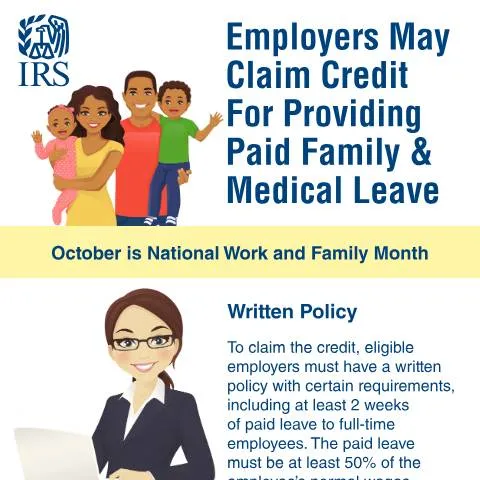
According to the guidelines established in Publication 5366, to qualify for this credit, employers must implement a written policy that meets specific requirements. The core components include:
- Duration of Leave: A minimum of two weeks of paid leave must be provided to full-time employees.
- Compensation Rate: The paid leave must amount to at least 50% of the employee's normal wages.
Employers are encouraged to consider the implications of these criteria and how they can align their internal policies accordingly, as benefits not only support employees but also enhance workplace morale and productivity.
Who Benefits from This Credit? Navigating Employee Eligibility
Understanding which employees qualify for paid family and medical leave is essential for effective policy implementation. The credit is generally applicable to any employee covered under the Fair Labor Standards Act (FLSA) who meets the following criteria:
- Has been employed by the organization for a minimum of one year.
- Earned a compensation below a specified threshold in the preceding year.
This targeted approach ensures that the benefits reach those employees most in need, while also enabling employers to strategically manage their workforce costs. It is important for employers to regularly review compensation levels to ensure compliance and maximize potential tax credits.
Comparing IRS Publication 5366 with Other Relevant IRS Forms
While IRS Publication 5366 provides a comprehensive overview of the paid leave credit, it is essential to differentiate this publication from other forms and guidelines that might overlap in subject matter. For instance:
| Publication/Form | Focus | Key Differences |
|---|---|---|
| Form 8994 | Credit for Paid Family and Medical Leave | Specific to the calculation of the credit; must be filed with employer's tax return. |
| Publication 5327 | New Tax Credit for Employers | Broader context of tax credits for paid family and medical leave, including policy frameworks. |
| Form W-2 | Wage and Tax Statement | Records employee wages and tax withholding; unrelated to the PFML credit but important for eligibility verification. |
This comparison highlights the unique positioning of IRS Publication 5366 within the broader landscape of tax-related documentation. Employers must familiarize themselves with each document to ensure they are leveraging available resources effectively.
Submission and Follow-Up: Ensuring Compliance with IRS Guidelines
It is imperative for employers to adhere to the specified deadlines and submission guidelines associated with the paid family and medical leave credit. Typically, eligible employers must claim this credit on their tax returns for wages paid in taxable years beginning after December 31, 2017, and before January 1, 2020.
To submit the credit, employers should:
- Complete Form 8994 accurately, reflecting the paid leave provided.
- Attach this form to the annual tax return to the Internal Revenue Service (IRS).
- Maintain records of paid leave policies and employee eligibility documentation for audit purposes.
Post-submission, employers can track the status of their claims by maintaining open communication with the IRS. This proactive approach not only helps in resolving potential issues but also ensures that employers fulfill their obligations while benefiting from available credits.
What Happens When the Credit is Claimed? Understanding the Outcomes
Claiming the paid family and medical leave credit can have significant financial implications for employers. Successfully securing this credit not only reduces overall tax liability but also signals a commitment to employee welfare. However, there are several considerations post-claim:
- Audit Risks: Employers should expect that claims may be subject to IRS scrutiny, particularly if there are discrepancies or if the claimed amounts seem unusually high compared to industry standards.
- Policy Adjustments: Following the receipt of the credit, employers may need to reassess their leave policies to ensure ongoing compliance and effectiveness.
- Employee Reactions: Transparent communication regarding the availability of paid leave can enhance employee satisfaction and retention.
Ultimately, the ramifications of claiming this credit extend beyond immediate financial benefits, influencing employee relations and overall workplace culture.
Final Thoughts: The Importance of Proactive Engagement
In an era where family responsibilities are increasingly prioritized, understanding and utilizing resources like IRS Publication 5366 is essential for employers committed to fostering a supportive work environment. Employers are encouraged to engage actively with the IRS guidelines, ensuring both compliance and the optimization of available tax credits.
By taking a proactive stance, organizations not only enhance their reputations as employers of choice but also position themselves to navigate potential tax savings effectively. As policies around paid family and medical leave continue to evolve, staying informed and responsive will remain key to maximizing benefits for both employees and the organization.
Understanding IRS Publication 5366: Key Definitions and Concepts
IRS Publication 5366 is an essential document that outlines various tax-related terms and concepts critical for taxpayers to understand. The publication serves as a guide to facilitate a better grasp of tax implications and requirements for different taxpayer categories. It’s imperative to familiarize yourself with the terminology as it can affect your tax filing process. Below, we delve into some key definitions that taxpayers might encounter:
- Adjusted Gross Income (AGI): This is your gross income minus specific deductions. AGI is a pivotal figure as it determines eligibility for various tax credits and deductions.
- Filing Status: Your filing status influences your tax rates and eligibility for certain credits. The five filing statuses—Single, Married Filing Jointly, Married Filing Separately, Head of Household, and Qualifying Widow(er)—have different implications on tax liability.
- Tax Credit vs. Tax Deduction: Understanding the difference is crucial. A tax credit reduces your tax bill dollar for dollar, while a tax deduction reduces your taxable income, which may lower your tax liability.
Moreover, IRS Publication 5366 elaborates on specific terms related to tax credits like the Child Tax Credit and Earned Income Tax Credit, clarifying eligibility requirements and how they can be claimed. Taxpayers should review the publication closely to ensure they comprehend these terms to maximize their tax benefits and avoid potential pitfalls during the filing process.
Common Pitfalls in Tax Filing: Avoiding Errors with IRS Publication 5366
Filing taxes can be a daunting task, and errors can lead to delays, penalties, or even audits. IRS Publication 5366 highlights common pitfalls taxpayers should be aware of, ensuring that your filing is smooth and efficient. Here are some prevalent mistakes to avoid:
- Incorrect Social Security Numbers (SSNs): A simple typographical error in your SSN can cause delays in processing your return. Always double-check this information against your Social Security card and any tax documents.
- Failure to Report All Income: Income reported must include all sources, such as freelance work or side jobs. The IRS receives copies of Forms 1099 and W-2, so ensure that your income matches the documents submitted to the IRS.
- Neglecting to Sign Your Return: An unsigned form is considered incomplete. If filing a joint return, both spouses must sign. If you e-file, ensure the e-signature is properly completed as per IRS guidelines.
- Not Keeping Copies of Tax Returns: It’s vital to maintain copies of your filed tax returns for at least three years. This is crucial for reference in case of any audits or discrepancies in future filings.
Publication 5366 also emphasizes the importance of being aware of the various deadlines associated with tax filing. The general deadline for individual returns is April 15, but specific circumstances may warrant different timelines. Taxpayers should stay informed about any changes to deadlines or filing requirements to avoid unnecessary stress.
Updates and Changes in IRS Publication 5366: What’s New This Year?
IRS regulations and guidelines are subject to change annually, and Publication 5366 is regularly updated to reflect these changes. Staying informed about the latest updates is crucial for accurate tax filing. Below are some recent changes introduced in the latest version of IRS Publication 5366:
- New Tax Credits: The publication outlines any newly introduced tax credits or modifications to existing ones, offering insight into changes that could benefit taxpayers. Understanding these updates can significantly boost your tax refund or reduce liabilities.
- Changes in Income Thresholds: Income limits for eligibility for various tax credits and deductions may change from year to year. Keeping an eye on these adjustments ensures that you are not missing out on potential benefits.
- Modification in Procedures: IRS Publication 5366 may include newly established procedures for taxpayers, such as new forms or electronic filing options that streamline the process. Be sure to review these changes to avoid confusion during filing.
Taxpayers should also note that IRS Publication 5366 often includes examples that illustrate how changes affect real-life tax scenarios. These examples can provide clarity and guide taxpayers through complex situations, ensuring they fully understand their obligations and rights. Be proactive in reviewing these updates annually, as they play a fundamental role in your tax preparation.