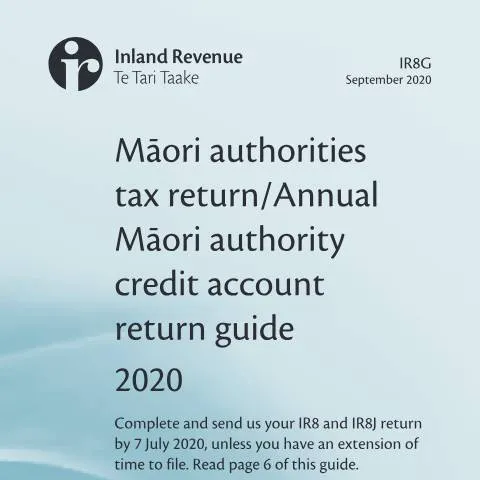
Navigating the Māori Authorities’ Tax Return: Understanding the IR8G Guide
For Māori authorities involved in managing land and resources, navigating the complexities of New Zealand's tax regulations can be daunting. The Māori Authorities’ Tax Return Guide (IR8G) serves as an essential roadmap, providing detailed instructions on how to file tax returns specific to their unique structures and operations. This guide is crucial for ensuring compliance with the tax obligations imposed by the Inland Revenue Department (IRD) and for maximizing potential benefits available to Māori entities.
Key Concepts for Māori Authorities: What You Need to Know
Before diving into the procedural aspects, understanding the foundational concepts of Māori authorities is imperative. This guide highlights several key principles that underpin the Māori authorities' tax framework:
- Māori Authority Definition: A Māori authority can include various entities such as companies, trusts, and boards established under the regulations of the Te Ture Whenua Māori Act 1993 and other relevant legislation. Understanding what qualifies an entity as a Māori authority is vital for determining tax obligations.
- Eligibility Criteria: Only entities that meet specific legal requirements can apply for the Māori authority status. This section outlines who qualifies, including limitations on individual and unincorporated bodies.
- Income Reporting: Regardless of income generation, Māori authorities must file a tax return annually. This requirement emphasizes the importance of diligent record-keeping and accurate reporting.
Understanding Māori Authority Structures
Entities categorized as Māori authorities typically manage assets on behalf of Māori communities. These can include land, fishing rights, or resources subject to historical claims. The governance structure can vary significantly:
- Companies and Trusts: Many Māori authorities operate as incorporated entities with defined governance frameworks. They are often established to manage Māori land and resources under the Māori Land Act 1993.
- Māori Trust Boards: These boards are established for specific communal purposes and operate under the Māori Trust Boards Act 1955. Their responsibilities often include oversight of land and resource management.
- Crown Entities and Fisheries Management: Some Māori authorities, such as the Crown Forestry Rental Trust, play significant roles in managing fisheries and other Crown-devolved assets.
Filing Requirements: Who Needs to File?
Understanding the filing requirements is critical to avoid penalties and ensure compliance. All Māori authorities must adhere to the following:
Annual Filing Obligations
Every Māori authority is mandated to submit an IR8 tax return annually, regardless of income status. This includes:
- Filing even in the absence of received income.
- Completion of the IR8 return form, which encapsulates vital information regarding the entity's financial activities.
Exceptions and Specific Cases
Some exceptions apply based on the authority's structure and the specific financial year concluded. For instance, entities with alternative balance dates may have different filing deadlines. Understanding these nuances ensures that compliance is met without unnecessary delays.
Return Due Dates: A Critical Timeline
Timely filing is essential to avoid penalties. The guide specifies crucial due dates which are dependent on the authority's balance date:
- For most authorities with a balance date of 31 March, the deadline is set for 7 July of the following year.
- If an authority has a different balance date, the due date may vary, necessitating a review of the specific timeline.
Entities requiring clarification on their deadlines are encouraged to contact the IRD directly at 0800 377 774.
The Core Components of the IR8G Guide
The IR8G guide is comprehensive, detailing every element that needs to be completed when filing an IR8 return. Its sections cover a wide array of topics including:
Income Reporting: What to Include
When reporting income, authorities must categorize all sources accurately:
- Residential Property Income: Authorities must detail any income derived from residential properties, including rental income.
- Taxable Property Sales: Any property sales that generate income must be disclosed, particularly when they result from disposals.
- Other Income Sources: All income, including dividends, interest, and any other relevant earnings, must be accounted for.
Key Sections of the IR8 Form
The IR8 is structured to facilitate accurate reporting:
- Authority Identification: Basic information such as the authority's name, postal address, and bank account details must be correctly inserted.
- Tax Calculations: Authorities need to calculate their tax obligations based on reported income and allowable deductions, ensuring compliance with current tax laws.
- Refunds and Transfers: Clarity around potential refunds and how to manage transfers between tax periods is crucial for financial planning.
Understanding Provisional Tax: What Māori Authorities Must Know
Māori authorities, depending on the nature and extent of their financial activities, may fall under provisional tax requirements. Provisional tax is a system where taxpayers pay their income tax in installments throughout the year.
Initial Provisional Tax Liability
Understanding initial provisional tax liability is essential:
- Estimation and Payment: Authorities need to estimate their tax liability accurately to avoid penalties associated with underpayment.
- Adjustments for Overpayments: If provisional payments exceed actual tax obligations, understanding how to claim refunds is vital.
Managing Payments and Late Payment Consequences
Prompt payment of taxes is necessary to avoid interest penalties:
- Payment Methods: The IRD provides various avenues for tax payments; utilizing these options can ensure timely submissions.
- Consequences of Late Payments: Authorities should be aware of the implications of late payment, including accruing interest.
Special Considerations: Understanding Māori Rights
The IR8G guide addresses the unique considerations surrounding Māori rights and entitlements, particularly concerning the Treaty of Waitangi settlements.
Foreign Rights and Tax Implications
Māori authorities involved in international dealings must navigate foreign rights and understand their tax implications:
- International Income: Any income generated from foreign entities or investments may be subject to different tax considerations.
- Claiming Deductions: Authorities must ensure they understand the deductibility of expenses tied to international operations.
Navigating Potential Pitfalls in Tax Interpretation
The complexities of tax law can often lead to misunderstandings or errors in interpretation, especially for Māori authorities.
Common Misinterpretations to Avoid
Several pitfalls can lead to complications:
- Misclassification of Income: Accurately categorizing income sources is critical to adhering to tax obligations.
- Failure to Report All Income: Omitting any income can lead to significant penalties and interest charges.
- Overlooking Deductions: Authorities should be aware of all potential deductions available to them to minimize tax liability.
Leveraging Available Support and Resources
Māori authorities are encouraged to utilize available resources:
- The IRD provides various online tools and calculators to assist in preparing tax returns.
- Consulting with tax professionals specializing in Māori authorities can provide clarity and ensure compliance with the tax laws.
Conclusion: The Path to Compliance and Financial Health
Understanding the intricacies of the Māori Authorities’ Tax Return Guide (IR8G) is pivotal for Māori entities aiming to fulfill their tax obligations efficiently. By grasping the fundamental concepts, adhering to filing deadlines, and being aware of potential pitfalls, Māori authorities can navigate the tax landscape with confidence. This guide not only serves as a tool for compliance but also as a means of empowering Māori authorities to manage their resources effectively and sustainably.
Understanding Māori Authorities for Tax Purposes
Māori authorities are crucial entities in the New Zealand landscape, particularly in managing assets for Māori communities. These entities can take various forms, including trusts, incorporations, or other legal structures that operate primarily for the benefit of Māori members. Understanding the classification of your authority is essential because it impacts the tax obligations and reporting requirements you must comply with.
Under the Income Tax Act, Māori authorities enjoy certain tax concessions, which can significantly benefit their financial standing. As a Māori authority, you may be eligible for a favourable tax rate on qualifying income. It is vital to ensure your authority is correctly registered with the Inland Revenue Department (IRD) and complies with the rules governing Māori authorities, which may differ from standard tax regulations applicable to other entities.
A key aspect of this classification is the requirement to file an annual return that includes income, deductions, and distributions made to members. The IRD provides specific guidelines on how to complete the Māori authority tax return (IR6) and the associated tax return for Māori authorities (IR8). Detailed record-keeping is crucial to substantiate your claims and prove compliance with tax obligations.
The Role of Governance in Māori Authorities and Tax Compliance
Effective governance plays a pivotal role in the management of Māori authorities and ensuring compliance with tax obligations. Māori authorities typically operate under a set of rules or constitutions that outline the governance structure, decision-making processes, and financial management practices. Maintaining transparency and accountability within this governance framework is essential.
Regular meetings should be held to discuss financial performance, tax obligations, and distribution decisions. Documentation of these meetings must be thorough to demonstrate that decisions are made in the best interest of the members and that the authority is adhering to taxation laws. It is often advisable to engage with a tax professional experienced in Māori authority tax matters, as they can provide tailored advice and help navigate complex tax situations.
Moreover, the principles of te ao Māori, which emphasize collective benefit and stewardship of assets, guide many Māori authorities. This cultural perspective not only influences governance practices but also attracts funding opportunities and partnerships that can enhance financial health and compliance.
Common Tax Mistakes and How to Avoid Them
Even with the best intentions, Māori authorities sometimes encounter tax pitfalls that can lead to penalties or increased liabilities. Understanding these common mistakes is the first step in avoiding them. One prevalent error is failing to report all income accurately, particularly income from non-standard sources, such as investments or joint ventures.
Another common issue is misclassifying expenses. The IRD expects Māori authorities to categorize expenses correctly, ensuring that deductions claimed align with regulations. This involves a robust understanding of what constitutes allowable expenses under the Māori authority tax rules. Engaging a tax professional to review your expenses and provide guidance on necessary documentation can mitigate the risk of errors.
Additionally, some Māori authorities overlook the importance of timely filing. Late submissions can incur penalties and affect the overall financial health of the authority. Setting reminders and ensuring that sufficient time is allocated for the preparation and review of tax returns can help ensure timely compliance.
Lastly, changes in legislation can sometimes lead to confusion or oversight. Staying informed about updates to tax laws that impact Māori authorities is vital. Regularly consulting the IRD’s website or attending tax workshops focused on Māori entities can equip authorities with the knowledge necessary to remain compliant.