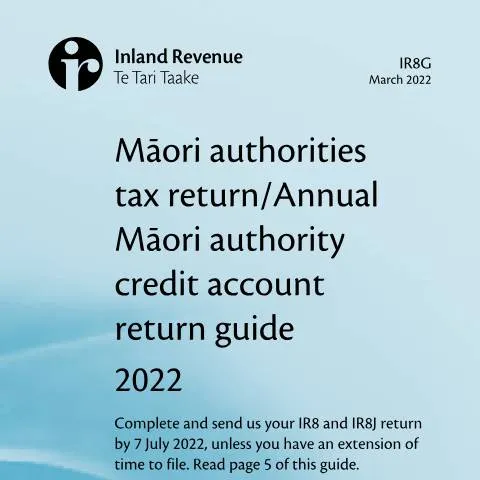
Navigating the Māori Authorities' Tax Return Guide: An In-Depth Exploration
The Māori Authorities' Tax Return Guide (IR8G) serves as an essential tool for Māori authorities tasked with fulfilling their tax obligations under New Zealand's income tax laws. With its focused guidance, the document outlines the procedure to complete the annual Māori authority tax return, helping entities comply with tax regulations while also emphasizing their unique status within the community. Understanding this guide not only aids in accurate compliance but also provides insight into the complexities faced by Māori authorities.
Understanding Māori Authorities: The Foundation of the Guide
Before diving into the specifics of the IR8G, it’s crucial to comprehend what constitutes a Māori authority. The term encompasses various entities established under specific legal frameworks, including:
- Companies established by an order under the Te Ture Whenua Māori Act 1993 (Māori Land Act 1993).
- Trustees of trusts established under the same act.
- Māori Trust Boards as defined under the Māori Trust Boards Act 1955.
- The Crown Forestry Rental Trust and other asset-holding entities recognized under the Māori Fisheries Act 2004.
Understanding the characteristics and legal frameworks that define these authorities is pivotal in determining who is obligated to file a tax return. Notably, individuals and unincorporated bodies are excluded from this definition, reinforcing the structured nature of Māori authorities in the tax landscape.
Eligibility Criteria for Māori Authorities
The eligibility criteria are extensive, with multiple categories outlined in the guide. For instance, Māori authorities include entities that manage assets on behalf of claimants under the Treaty of Waitangi. Understanding these nuances can prevent potential misinterpretations and ensure compliance.
Key Components of the Tax Return: Breaking Down the IR8G
When utilizing the IR8G, it’s essential to recognize the specific sections that guide the return preparation process. The document is meticulously organized, delineating various aspects of the return that need addressing.
Return Due Dates: Keeping Track
Timely filing is paramount. For entities with a balance date of 31 March, the IR8G specifies that tax returns must be submitted by 7 July of the same year, unless an extension has been granted. In cases where the authority has appointed a tax agent, the deadline might extend to 31 March of the following year.
Income and Expenditure Reporting
A significant part of the IR8G revolves around accurately reporting income and expenditures related to residential properties, taxable sales, and other income sources. For example, sections within the guide require Māori authorities to detail:
- Income generated from residential property.
- Interest incurred from residential property.
- Income from property sales or disposals.
This section can be challenging for many, especially when distinguishing between taxable and non-taxable income. Therefore, referring back to the guide is crucial for ensuring accurate reporting.
Annual Māori Authority Credit Account Return (IR8J)
Another integral aspect is the completion of the Annual Māori Authority Credit Account Return, also known as the IR8J. While most Māori authorities are required to submit this return, exceptions exist. Authorities whose constitutions prohibit distributions and those that earn exempt income need not file this. Understanding this distinction is essential for meeting compliance requirements without unnecessary effort.
Utilizing the IR8G: Step-by-Step Process
To efficiently navigate the IR8G, Māori authorities should consider a step-by-step approach. The guide functions as a roadmap, making it easier to understand the various elements involved in preparing the tax return.
Step 1: Gather Necessary Information
Before starting the return, ensure that all necessary financial statements, records of income, and expenditure are organized. This includes:
- Bank account information.
- Details of income from various sources.
- Records of any tax credits that may apply.
Step 2: Complete the IR8 and IR8J Returns
Fill out the IR8 return accurately based on the collected information. For those required to submit the IR8J, ensure this is done simultaneously. The IR8G outlines specific questions (e.g., Q10, Q11) that guide authorities in detailing their financial activities.
Step 3: Double-Check and Clarify
Mistakes in tax returns can lead to severe consequences. Consequently, reviewing the entries and ensuring clarity on questions asked within the IR8G is crucial. If uncertainties arise, consult with a tax professional who understands Māori taxation issues.
Step 4: Submit by the Due Date
Ensure that returns are submitted on time, either electronically or via post as detailed in the guide. For those using an agent, maintain communication to guarantee compliance with deadlines.
Common Pitfalls: What to Avoid
Navigating the IR8G is not without its challenges. Understanding common pitfalls can help Māori authorities avoid errors that could trigger audits or penalties.
Misinterpreting Income Types
One common mistake is misclassifying income types. Authorities must be diligent in understanding what constitutes taxable income versus exempt income. The IR8G provides definitions that clarify these distinctions, yet these can be easily overlooked.
Inaccurate Reporting of Expenditures
Another area where errors frequently occur is in the reporting of expenditures. It’s vital to maintain accurate records and ensure that all claimed expenses are legitimate and well-documented.
Engaging with the IRD: Communication and Support
The Māori authorities can often feel overwhelmed by the complexities of tax filing. Engaging with the Inland Revenue Department (IRD) is encouraged to seek guidance and clarification.
Utilizing Online Resources
The IRD offers a myriad of online resources to assist Māori authorities. Authorities can log in to their myIR accounts to access forms, guides, calculators, and even track their tax obligations. These tools streamline the process and provide immediate support.
When to Seek Professional Help
In cases of significant financial complexity or uncertainty, consulting a tax professional specialized in Māori taxation is prudent. They can provide tailored advice, ensuring that all submissions are compliant and accurate, thereby mitigating risks.
Conclusion: The Importance of Accurate Reporting
The Māori Authorities' Tax Return Guide is not just a regulatory requirement; it embodies the responsibility of Māori authorities to manage their financial obligations within the framework of New Zealand tax law. By thoroughly understanding the guide and utilizing its resources, Māori authorities can navigate their tax responsibilities with confidence. Engaging with the IRD and leveraging available tools ensures compliance, helping these entities thrive while honoring their unique status and cultural heritage.
Understanding Māori Authorities and Their Unique Tax Obligations
Māori authorities, as defined by the New Zealand tax system, play a crucial role in the economic and social development of Māori communities. These entities can take various forms, such as iwi (tribes), hapū (sub-tribes), or whānau (families), and they are often engaged in activities that promote cultural, social, and economic interests. Understanding the unique tax obligations of Māori authorities is essential, not just for compliance, but also for leveraging tax benefits that can assist in community development.
One of the primary considerations for Māori authorities is the distinction between taxable income and non-taxable income. Generally, most income earned by a Māori authority that is not from exempt activities will be subject to income tax. However, there are specific provisions under the Income Tax Act that can apply to Māori authorities, which may allow certain income to be exempt from tax. For instance, income derived from Māori land can often be treated differently from other business income, which is crucial for authorities managing land assets.
To apply these principles correctly, Māori authorities must complete the appropriate tax returns, primarily using the IRD’s Māori authority tax return form (IR 8A). This form is specifically designed to address the unique circumstances of Māori authorities and must be filed by the due date, typically aligning with the fiscal year ending 30 June. Failure to meet these obligations can result in penalties, which can adversely affect the community's financial resources.
Moreover, Māori authorities have access to specific tax rates that differ from standard corporate tax rates. They enjoy a lower tax rate of 17.5%, which is significantly advantageous for reinvesting profits back into community projects. It is important for Māori authorities to maintain accurate records and documentation of all income and expenditures, as this will support their tax return and ensure compliance with the IRD's requirements.
Strategies for Effective Tax Planning for Māori Authorities
Tax planning is a vital aspect of financial management for Māori authorities. Given the unique nature of their operations and the socio-economic objectives they pursue, effective tax strategies can lead to enhanced community outcomes. Here are some strategies that Māori authorities can consider:
1. Utilizing Tax Credits and Deductions: Māori authorities can benefit from various tax credits that are available to non-profit organizations and charitable entities. It’s important to be aware of the specific eligibility criteria for such credits, as they can directly affect the financial viability of development projects. Additionally, deductions for operational costs can significantly reduce taxable income, improving cash flow for investment in community initiatives.
2. Engaging Tax Professionals: Due to the complexities surrounding tax legislation, engaging with tax advisors who understand Māori affairs can be invaluable. They can provide insights into compliant practices while maximizing benefits applicable to Māori authorities. A professional with expertise in this field can help navigate the legislative landscape, reducing the risk of unexpected liabilities.
3. Collaborating with Other Māori Entities: Collaboration with other Māori authorities can also create opportunities for shared resources and financial advantages. By pooling resources and knowledge, these entities can better understand their collective tax responsibilities and can strategize accordingly. For example, joint ventures can create economies of scale that reduce overall tax burdens while promoting community-driven projects.
4. Investing in Education and Training: Continuous education regarding tax obligations and financial management is crucial. Offering training sessions and workshops for those involved in the governance of Māori authorities can empower them to make informed decisions. Learning about tax changes and new regulations will ensure that authorities remain compliant and can adapt strategies effectively to mitigate risks and maximize benefits.
The Role of Whānau Trusts in Māori Taxation
Another significant component of the Māori taxation landscape is the establishment of whānau trusts. These trusts are designed to provide for the welfare of whānau members and can have specific tax implications. A whānau trust is a legal entity created to hold assets for the benefit of its members. Understanding the structure of whānau trusts and their tax obligations is essential for responsible financial management.
Whānau trusts typically have a different tax status compared to other business entities, allowing for various tax advantages. For instance, distributions made from these trusts to beneficiaries are often treated as non-taxable income, which can be a significant advantage for members. However, it is crucial that the trust complies with the requirements set out in the Trusts Act 2019 and the Income Tax Act. The trust must maintain proper records and file annual returns to ensure its tax status remains intact.
In managing a whānau trust, trustees must be conscious of the potential for complex tax situations. For example, if the trust engages in business activities, or if income is derived from sources that are not exempt, the trust may become liable for tax. Understanding these intricacies can safeguard against unexpected liabilities and promote sustainability in the trust's operations.
Additionally, whānau trusts can also play a role in preserving cultural heritage and supporting community projects. By strategically planning their finances, whānau trusts can allocate funds for educational scholarships, health initiatives, or cultural activities that enrich the community. This dual focus on financial responsibility and cultural integrity demonstrates the holistic approach that Māori authorities take in their operations.