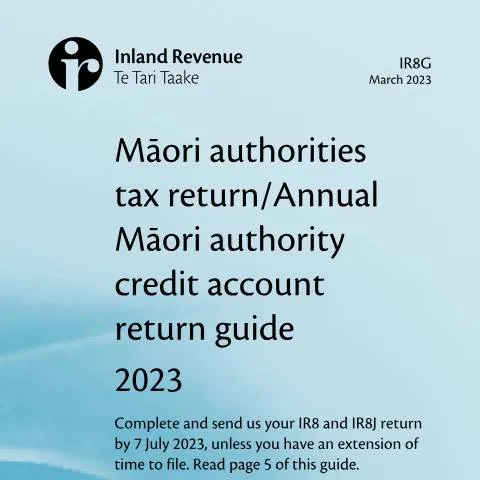
Understanding the Māori Authorities’ Tax Return Guide (IR8G)
The Māori Authorities’ Tax Return Guide (IR8G) serves as an essential resource for Māori authorities navigating their tax obligations. This guide is particularly relevant for entities that have opted to establish themselves as Māori authorities under New Zealand tax law. The document outlines the necessary procedures for completing tax returns, particularly focusing on the unique circumstances faced by Māori authorities.
Who Should Utilize this Guide?
This guide is specifically designed for a range of entities operating as Māori authorities. These include but are not limited to:
- Companies established under the Te Ture Whenua Māori Act 1993 (Māori Land Act 1993).
- Trustees of trusts established under the same legislation.
- Māori Trust Boards and those managing Crown forestry assets.
- Entities managing assets transferred from the Crown as part of Treaty of Waitangi settlements.
Essentially, any entity that has elected to become a Māori authority must adhere to the provisions set out in the IR8G, regardless of whether income has been generated during the tax year.
Key Changes and Updates for the 2023 Income Year
As tax regulations evolve, so do the requirements for Māori authorities. For the 2023 income year, one significant amendment is the restructuring of the 'Total residential income' category. It is now divided into three distinct components:
- Gross residential rental income - reported in Box 8A.
- Net bright-line profit (excluding any losses) - reported in Box 8B.
- Other residential income - reported in Box 8C.
This separation is crucial for accurate reporting of income derived from residential properties, ensuring compliance with the latest tax regulations. For detailed instruction on how to complete these sections, refer to Question 8 in the guide.
Filing Your Tax Return: A Step-by-Step Process
Completing the IR8G is a structured process that requires careful attention to detail. Below is a simplified outline of the steps involved:
- Determine Your Filing Deadline: Authorities with a 31 March balance date must submit their returns by 7 July 2023 unless granted an extension. For those with different balance dates, it's vital to verify the specific due date with the Inland Revenue Department (IRD).
- Gather Necessary Information: Ensure you have all pertinent details at hand, including your Māori authority’s name, postal address, and bank account number.
- Complete the Relevant Sections: Fill out your income and expenses accurately, ensuring you categorize residential income correctly as per the updated guidelines.
- Submit the Return: Return your completed IR8 and any supplementary forms to the IRD, either online via myIR or via traditional mail, depending on your preferences and capabilities.
Navigating Common Challenges
Taxation can often be a daunting process for Māori authorities, particularly given the unique circumstances many face. Here are some common challenges and considerations:
- Misclassification of Income: Accurately distinguishing between various types of income can be complex, especially with changes in reporting requirements.
- Failure to File on Time: Missing deadlines can result in penalties; thus, understanding your specific due date is crucial.
- Understanding Tax Credits and Debits: Navigating the intricacies of what constitutes a credit or debit within your account is vital to avoid confusion during filing.
Key Terminology for Māori Authorities
An understanding of specific terms is critical to ensure compliance and accurate reporting. Here are some key definitions that will aid in navigating the IR8G:
| Term | Description |
|---|---|
| Māori Authority | An entity eligible under the Māori Land Act that is involved in economic activities on behalf of its members. |
| Provisional Tax | A payment made towards your expected tax liability for the current income year, determined using estimated income. |
| Bright-line Test | A tax rule that determines if any profit from the sale of residential property is taxable based on how long the property has been owned. |
| Credit Account | A record of taxable income and payments made by a Māori authority, influencing future tax responsibilities. |
Interconnections with Other Official Documents
It's essential to recognize how the IR8G interacts with other forms and documents within the tax system. For Māori authorities, the primary interrelated submissions include:
- IR8 and IR8J Returns: These forms work hand-in-hand with the IR8G, as they involve detailed financial information that is integral to annual tax assessment.
- Provisional Tax Statements: Entities may be required to file provisional tax statements if they anticipate a tax liability over a certain threshold.
- Documentation of Income and Expenses: Supporting documents are essential for substantiating claims made in the IR8 and IR8J returns.
Resources for Assistance
Māori authorities can benefit from various resources provided by the IRD. It's advisable to utilize the following tools for enhanced clarity and support:
- myIR: This online service allows authorities to manage their tax affairs, check balances, and file returns seamlessly.
- Tax Calculators: These tools can assist in estimating tax liabilities based on current income and expenses.
- Direct Support from IRD: Should uncertainties arise, contacting the IRD directly can provide needed assistance, ensuring that authorities navigate their tax responsibilities effectively.
In navigating the complexities of the tax return process, particularly under the evolving guidelines of the IR8G, Māori authorities are encouraged to maintain diligence and seek clarity wherever necessary. Whether through direct assistance from the IRD or by utilizing available online resources, the goal remains to ensure accurate and timely compliance with New Zealand’s taxation framework.
Understanding the Tax Obligations of Māori Authorities
Māori authorities, as defined under the Income Tax Act 2007, have specific tax obligations that differ from those of typical corporate entities. It is essential for these authorities to have a clear understanding of their tax responsibilities, including filing returns and paying taxes in accordance with their unique operational structures and cultural practices. The IRD provides tailored guidelines to assist Māori authorities in navigating the complexities of the tax system.
For many Māori authorities, the income derived from Māori land and other assets is subject to taxation; however, there are also provisions for certain exemptions depending on the type of income and the activities undertaken. Māori authorities benefit from a specific tax rate of 17.5% on their taxable income, which recognizes the unique status and functions of these entities within New Zealand's economy.
One critical aspect of compliance is the requirement to file an annual tax return, which for Māori authorities is typically due on 7 July following the end of the financial year (1 July to 30 June). Filing can be streamlined through various online services offered by the IRD, making it easier for authorities to meet their obligations. Authorities should ensure they keep accurate records of their income, expenses, and any distributions made to beneficiaries, as these will be crucial for accurately completing their tax return and supporting their claims for any deductions or exemptions.
Key Considerations for Completing Tax Returns for Māori Authorities
When it comes to completing tax returns, Māori authorities must consider several vital factors that could impact their filing process. Firstly, the distinction between different types of income is paramount. Income derived from commercial activities, interest, dividends, and grants might be treated differently for tax purposes. Understanding how each type of income is taxed is essential to ensure accurate reporting and compliance.
Moreover, Māori authorities must be aware of the importance of correctly identifying their expenses. Legitimate expenses incurred in the operation of the authority can often be claimed as deductions when filing taxes, thereby reducing overall taxable income. These expenses may include administration costs, operational expenses related to land management, and costs associated with any cultural or community initiatives undertaken.
It is recommended that Māori authorities engage with a tax professional who has experience in this area. Their expertise can help authorities navigate specific deductions available to them, ensuring they do not miss out on potential savings. Furthermore, ongoing education and training for the members of the authority regarding tax obligations can foster a culture of financial literacy and accountability.
Engaging with the IRD: Building Partnerships for Better Compliance
The relationship between Māori authorities and the IRD is vital for ensuring full compliance with tax obligations. The IRD offers support and resources specifically designed to assist Māori authorities in understanding their tax responsibilities. It is advisable for authorities to proactively engage with the IRD, particularly when they have questions or concerns regarding their tax filings. This open line of communication can help to clarify any uncertainties and encourage a collaborative approach to compliance.
Furthermore, the IRD has initiatives in place that aim to enhance the relationship with Māori communities, promoting a better understanding of their tax systems and obligations. For instance, the IRD may offer workshops, resources, or even tailored advice sessions to Māori authorities, helping them to better understand their unique circumstances. By taking advantage of these opportunities, Māori authorities can better prepare for their tax obligations and foster a positive working relationship with the IRD.
In addition, the Digital Services Act encourages the use of online platforms for filing tax returns, which can be especially beneficial for Māori authorities in managing their tax responsibilities efficiently. By utilizing these digital tools, authorities not only streamline their filing processes but also keep pace with New Zealand's growing emphasis on digital transformation in administrative services.