Understanding the IR8: A Vital Document for Māori Authorities
Filing taxes isn’t merely a task; it’s a reflection of responsibility and community, especially for Māori authorities operating within New Zealand. Among the various forms that these entities must navigate, the IR8 stands out as a crucial component of the income tax framework. This document is more than just a requirement; it's fundamental for compliance with the Income Tax Act 2007 and the Tax Administration Act 1994. The IR8 captures the financial activities of Māori authorities over a fiscal year, ensuring that their unique status under the law is respected and accounted for.The Historical Context of the IR8 Form
A rich tapestry of history lies behind the IR8. Its inception is rooted in the recognition of Māori authorities as distinct entities within New Zealand’s socio-economic landscape. Established under specific provisions of the Income Tax Act, this form has evolved to address the complexities of income generation, distribution, and taxation affecting Māori communities. Understanding its historical context provides insight into its importance. Māori authorities were formally recognized to address the unique way they manage and utilize their resources. The Income Tax Act 2007 outlines specific provisions that acknowledge the distinct legal and cultural frameworks these authorities operate within. As such, the IR8 was created to streamline reporting requirements, reflecting both the financial status and community interests of Māori.Who Needs to File the IR8? A Detailed Look at Eligibility
The IR8 is specifically designed for Māori authorities. However, within this category, there are sub-cases and exceptions that warrant attention:Defining Māori Authorities
Māori authorities include trusts, incorporations, and other entities acting on behalf of Māori landowners. To be eligible for filing the IR8, an entity must meet specific criteria:- Registration: The authority must be registered under the Māori Land Act or the Companies Act.
- Income Generation: The authority should be engaged in generating income through property, trading, or other business activities.
- Tax Obligations: The authority must be subject to income tax and fulfill all reporting obligations as per the Income Tax Act.
Exceptions to the Rule
While most Māori authorities are required to file the IR8, there are exceptions. For instance:- Entities that operate solely as charitable organizations may be exempt from filing, depending on their income sources.
- Some small authorities with minimal income may not be required to submit the IR8 if they fall below specific thresholds.
Decoding the IR8 Form: A Step-by-Step Breakdown
Completing the IR8 can be daunting, especially for those new to tax documentation. This section unpacks the form, highlighting key sections and common pitfalls.Header Information
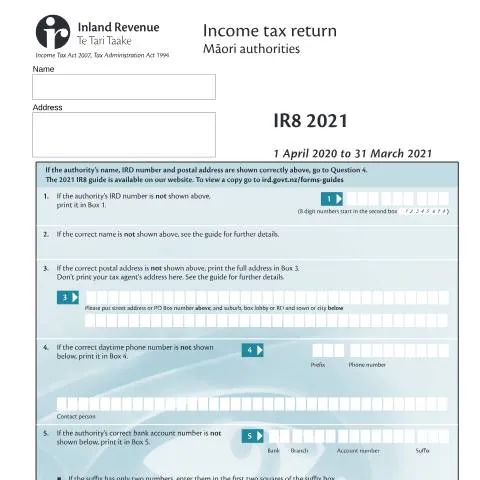
Upon receiving the IR8 form, the first task involves ensuring that the authority's details are accurately included.- IRD Number: The IRD number should be displayed in Box 1. If absent, this must be filled in correctly — an 8-digit number starting in the second box.
- Name and Address: Correctly list the authority's name and postal address in the designated boxes. Errors here can lead to processing delays.
- Contact Information: Ensure that a current daytime phone number is provided in Box 4 for any queries from the NZ Inland Revenue Department (IRD).
Income Reporting
The IR8 demands detailed reporting of various income streams. It’s essential to accurately record each type of income, as follows:- Residential Property Income: If the authority has any income or expenditures from residential properties, this information is crucial. Make sure to select the correct reporting method (Portfolio, Individual, or Combination) and provide totals for income and deductions.
- Property Sales: Any income from taxable property sales must be reported separately, ensuring that no bright-line losses are included.
- Other Income: This encompasses gross interest, dividends, and any distributions from Māori authority activities. Be meticulous when entering figures; losses should be indicated with a negative sign.
Processing the IR8: What Happens After Submission?
Once the IR8 is submitted, the next step involves understanding the processing timeline and what to expect.Timelines and Deadlines
The fiscal year for Māori authorities runs from 1 April to 31 March, with tax returns typically due by 7 February of the following year. This timeline is critical for ensuring timely submission.What Happens Next?
After filing, the IRD will process the return, which may take several weeks. During this period:- Verification: The IRD will verify the provided information against their records. Inconsistencies may prompt requests for additional information.
- Tax Calculations: Based on the reported income, the IRD will calculate tax liabilities. In Box 11 of the IR8, the authority will find the calculated tax amount based on taxable income.
Handling Returns: Refunds and Provisional Tax
Understanding how to approach potential refunds or provisional tax obligations is crucial for Māori authorities after filing the IR8.Refund Process
If an authority is due for a refund, it is essential to indicate the preferred payment method in the IR8. The IRD processes refunds efficiently, usually crediting the authority’s nominated bank account.Dealing with Provisional Tax
Provisional tax may be applicable if the authority’s income exceeds a certain threshold. This tax, based on estimated income, needs to be paid at specified intervals during the year. The IR8 provides a section to detail any provisional tax already paid, ensuring that this is accounted for in the final tax calculation.In Case of Errors: Navigating Mistakes and Missing Information
Mistakes happen, and knowing how to navigate them is essential. If a Māori authority discovers an error post-submission, the following steps can be taken:Rectifying Mistakes
To correct an error, the authority should:- Complete a new IR8 form with the correct information.
- Submit the corrected form to the IRD as soon as possible, clearly indicating that it replaces the previously submitted one.
Missing Information
If any information is missing, or if the IRD requests additional documentation, prompt action is crucial. Failure to provide requested information can result in delays and potential penalties.Final Thoughts on the Importance of Accurate Reporting
Filing the IR8 is not solely about fulfilling a legal obligation; it embodies the values of transparency and responsibility within Māori communities. By ensuring accurate reporting and timely submissions, Māori authorities not only comply with tax regulations but also contribute positively to their communities. Adhering to the guidelines laid out in this document is integral to fostering trust and sustainability in these unique entities. Māori authorities play a significant role in New Zealand’s socio-economic fabric, and the IR8 form serves as a vital tool in navigating the complexities of income tax reporting. Through diligent and accurate completion, authorities uphold their responsibilities while supporting the broader goals of their communities.Understanding Income Tax Obligations for Māori Authorities
Māori authorities operate under unique taxation rules, which can differ significantly from other entities in New Zealand. It's essential for these authorities to be aware of their obligations under the Income Tax Act 2007. Māori authorities are generally classified as a separate entity for tax purposes, allowing them to distribute their income in ways that may have tax advantages for both the authority and its members.
Māori authorities often engage in a variety of activities, including farming, fishing, forestry, and tourism, all of which can affect their tax status and obligations. For instance, income generated from these activities may be subject to different taxation rules compared to standard businesses. It is crucial for the governing bodies of Māori authorities to maintain accurate records of income and expenses, as this will facilitate the completion of their income tax returns.
Moreover, Māori authorities can apply for a tax exemption for certain types of income, especially where that income is used to benefit the hapū or iwi. However, the criteria for such exemptions can be intricate, necessitating careful documentation and adherence to specific guidelines set forth by the Inland Revenue Department (IRD).
Each financial year, Māori authorities must submit their income tax returns using the appropriate forms, ensuring they account for any income distributed to their members. Understanding the compliance requirements and the nuances of tax obligations can help prevent penalties and ensure that the benefits of tax concessions are fully realized.
Common Challenges Faced by Māori Authorities in Filing Tax Returns
Māori authorities often encounter distinct challenges when filing their income tax returns. One of the most significant issues is the complexity of the tax laws that apply specifically to them. Due to the unique cultural and economic frameworks within which Māori authorities operate, navigating the tax landscape can be cumbersome.
Recording income accurately can pose a challenge, especially for authorities involved in multiple sectors. For example, if a Māori authority operates both a tourism venture and an agricultural business, it must segregate income and expenses related to each activity carefully. Failure to do so could result in errors in the tax return, potentially leading to audits and penalties.
Additionally, the interpretation of tax law can vary, creating confusion regarding eligibility for certain deductions or exemptions. It's advisable for Māori authorities to seek professional advice from tax consultants familiar with Māori taxation issues to ensure that they benefit fully from the available provisions.
Another challenge is the timing of tax payments, particularly for authorities that may generate irregular income streams. Understanding the fiscal year, which runs from 1 July to 30 June, is crucial for effective financial planning. Authorities must also be aware of the payment dates for provisional tax and terminal tax to avoid late payment penalties.
Best Practices for Māori Authorities in Managing Tax Compliance
To effectively manage tax compliance, Māori authorities should adopt several best practices. First, implementing a robust accounting system is essential. This system should allow for the detailed tracking of income and expenses across different business activities, allowing for accurate reporting when tax returns are filed.
Regular training and updates for staff on tax obligations can also streamline the process. Keeping abreast of changes in tax laws and regulations is vital, especially those affecting Māori authorities. Engaging with the IRD's resources, including their seminars and webinars, can provide crucial insights into compliance and best practices.
Collaboration with financial advisors who specialize in Māori tax issues can further enhance compliance efforts. These professionals can offer tailored advice on tax planning, ensuring that the authority maximizes benefits while adhering to legal obligations.
Lastly, maintaining open lines of communication with members of the authority is key. Keeping them informed about how income is generated, distributed, and taxed fosters transparency and trust. This practice not only aligns with Māori values of collective responsibility but also empowers members to understand their own tax obligations if they receive distributions.