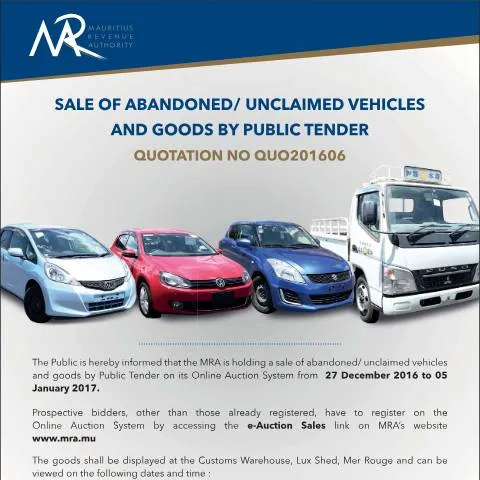
The Significance of the Sale of Abandoned/Unclaimed Vehicles and Goods
In the realm of public administration, the management of abandoned or unclaimed vehicles and goods serves a dual purpose: addressing issues of space and maintaining order while also providing opportunities for citizens to acquire these items through a structured bidding process. This initiative not only clears public storage areas but also allows for the rediscovery of valuable assets, creating a win-win situation for both the government and the public.
Understanding the Public Tender Process
The public tender process for the sale of abandoned vehicles and goods is a transparent system aimed at ensuring fair competition and providing equal opportunities for all potential buyers. This structured approach mitigates the chances of mismanagement and assures the public that purchases are conducted under operational oversight.
Who Engages with this Form?
Individuals and entities interested in purchasing abandoned or unclaimed vehicles or goods deposited at customs are the primary stakeholders engaging with this document. This includes:
- Private citizens seeking to acquire vehicles inexpensively.
- Businesses looking for operational goods.
- Any party who has the financial capability to engage in bidding.
Form Overview and Submission Guidelines
The specific form associated with this endeavour is instrumental for participants in the public tender. Here’s what you need to know about its completion and submission:
Completing the Official Form
When filling out the Public Tender Form for Sale of Abandoned Vehicles and Goods, there are particular sections and information required:
- Personal Information: Full name, contact details, and identification number must be clearly stated.
- Bid Details: Indicate the items of interest and the proposed bid amounts for each.
- Declaration: A signed declaration confirming the accuracy of submitted information and adherence to the bidding rules.
Submission Process
Once the form is filled out, participants must submit it electronically through the MRA’s online auction system. Here are the steps to ensure a successful submission:
- Access the e-Auction Sales link on the MRA website.
- Create an account if not already registered. This process requires basic personal information and a valid email address.
- Upload the completed form along with any necessary supporting documents.
- Confirm the submission and await acknowledgment from MRA.
Key Dates in the Public Tender Process
Understanding the timeline involved in the sale of abandoned vehicles and goods is crucial for prospective bidders. Key dates associated with the process include:
| Date | Event |
|---|---|
| 27 December 2016 | Start of public viewing period for items. |
| 05 January 2017 | End of public viewing and commencement of the auction. |
| 05 January 2017 | Deadline for bid submissions. |
The Viewing Period
Prospective buyers are encouraged to view the vehicles and goods prior to bidding. The items will be displayed at the Customs Warehouse, Lux Shed, Mer Rouge, during specified hours, which are:
- 27 December to 30 December 2016: 09:00 to 15:00
- 31 December 2016: 09:30 to 12:00
- 3 January to 4 January 2017: 09:00 to 15:00
- 5 January 2017: 09:00 to 12:00
It's important to bring an Identity Card for entry at the Port Main Gate during these visits.
Post-Submission: What Happens Next?
After submitting bids, participants may wonder about the subsequent steps and how they can follow up on their submissions:
Evaluation of Bids
Once the submission deadline passes, the MRA will assess all bids. This involves checking compliance with the rules outlined in the tender notice and evaluating the bids based on the proposed amounts and the bidders' qualifications. Notifications of successful bids will typically be communicated within a specific timeframe after bid evaluations.
Obtaining Results
If you’ve participated in the bidding process, you can check the status of your bid by:
- Logging into your account on the MRA online auction system.
- Consulting any notifications sent via email regarding the bid status.
Finalizing the Purchase
For successful bidders, the next step involves confirming the purchase and settling any outstanding payments. This usually includes:
- Payment of the winning bid amount.
- Completion of any required documentation for the transfer of ownership.
Addressing Issues: What to Do in Case of Complications
Despite following the protocol, participants may encounter challenges such as bid rejections or missing documentation. It is important to know how to address these situations effectively:
In Case of Bid Rejection
If a bid is unsuccessful, the MRA typically communicates the reasons for rejection. Bidders have the right to:
- Request feedback on their bid submission.
- Reapply in future tenders, addressing any issues highlighted in the feedback.
Missing Documentation
In situations where documentation is incomplete or incorrect, bidders may receive a notification to rectify these issues. It is advisable to:
- Promptly supply the missing documents as directed by the MRA.
- Keep track of deadlines related to document submission to avoid disqualification.
Broader Context: The Role of the Form in Public Policy
This tendering process and the associated form play a crucial role in promoting transparency and efficiency in public asset management. The government aims to:
- Minimize the cost of maintaining unclaimed goods.
- Encourage responsible ownership through public sales.
- Promote civic engagement by making these assets available to the public.
The Chain of Administrative Processes
This form is not an isolated document but part of a larger framework involving several administrative processes:
- Asset Management: The collection and sale of unclaimed vehicles and items fall under the broader asset management policies of the MRA.
- Public Engagement: Through public tenders, the government engages citizens, allowing them to participate actively in the redistribution of state assets.
Conclusion: The Importance of Staying Informed
Engaging with the Sale of Abandoned/Unclaimed Vehicles and Goods by Public Tender presents a unique opportunity for individuals to acquire property while contributing to a larger public administration effort. As regulations and processes evolve, staying informed about changes in procedures is paramount for all interested parties.
Whether you are a seasoned bidder or a first-time participant, understanding the intricacies of the submission process, the associated timelines, and the broader implications of these sales are essential for success. Regularly visiting relevant websites, such as the MRA's portal, is advisable to keep abreast of any updates or necessary changes to the process.
Fill in your form directly online
No printing: type your details into the boxes of the official form, tick, then download the PDF ready to send.
- 1Type into the form boxes
- 2Tick in one click
- 3Save and download the PDF
Regulatory Framework Governing Abandoned Vehicles and Goods
In Mauritius, the sale of abandoned or unclaimed vehicles and goods through public tender is governed by various legal instruments, mainly the Road Traffic Act and the Disposal of Public Property Act, among others. The Road Traffic Act provides the necessary framework for identifying vehicles abandoned on public roads, ensuring compliance with safety and environmental standards. To facilitate the sale of such vehicles, the Mauritius Revenue Authority (MRA) plays a critical role in ensuring that all applicable taxes and duties are settled before the sale is executed. The Disposal of Public Property Act, on the other hand, delineates the processes for the disposal of government properties, including unclaimed items. It mandates public tenders as a transparent and competitive method for the sale of abandoned goods, ensuring that the best value is obtained for public assets.
This legal framework ensures that all stakeholders are aware of their rights and responsibilities regarding abandoned vehicles and goods. For instance, owners of vehicles that may be classified as abandoned have a defined period to reclaim their vehicles before any public tender takes place. Notifications are usually posted at the site of the abandoned vehicle or published in local newspapers, giving owners opportunities to reclaim their property.
Process of Public Tender for Abandoned Vehicles
The process for the public tender of abandoned vehicles in Mauritius is meticulous and designed to ensure fairness and transparency. Initially, the relevant authority, typically the police or a local government body, will conduct an assessment of vehicles deemed abandoned based on specific criteria, which may include the duration of abandonment, condition of the vehicle, and safety concerns.
Once a vehicle is categorized as abandoned, a thorough inspection is carried out to evaluate its state. Photographs and detailed descriptions are documented to provide potential bidders with the necessary information. Following this, a public notice is issued, detailing the tender process, submission deadlines, and auction terms. This notice is disseminated via multiple channels, including local newspapers, the official government website (govmu.org), and community boards.
Bidders must submit their proposals, typically including a bid form (for instance, the PSC Form 7a, or similar), identification, and any required deposit fees, which may be a small percentage of the bid amount. It is pivotal for bidders to ensure that their submissions are complete to avoid disqualification. The bids are then opened publicly, ensuring transparency in the selection process. Successful bidders will be notified and required to complete the transaction promptly, clearing all debts associated with the vehicle, including taxes and any relevant fees as stipulated by the MRA.
Impact of Digitalization on Tender Processes
The recent push towards digitalization in public services in Mauritius has significantly transformed the tender process for abandoned vehicles and goods. Through the MauPass system, which is integrated with the National ID Card and the Central Population Database, individuals can access a range of services online, including the ability to apply for tenders easily.
The introduction of e-tendering systems has streamlined the submission process, reducing the need for physical paperwork and minimizing errors associated with manual submissions. Bidders can now track the status of their applications in real time, receive notifications, and communicate directly with relevant authorities through secure online platforms.
This digital evolution not only enhances the efficiency of the tender process but also increases public engagement and trust in government operations. With detailed online guides and FAQs available on the government portal, individuals can better understand the requirements and processes involved. Moreover, the digital platform allows for the collection of data which can be analyzed to improve future tendering processes and ensure that they are responsive to community needs and trends.