Understanding the Intricacies of the Tourist VAT Refund Scheme Process Flow Chart
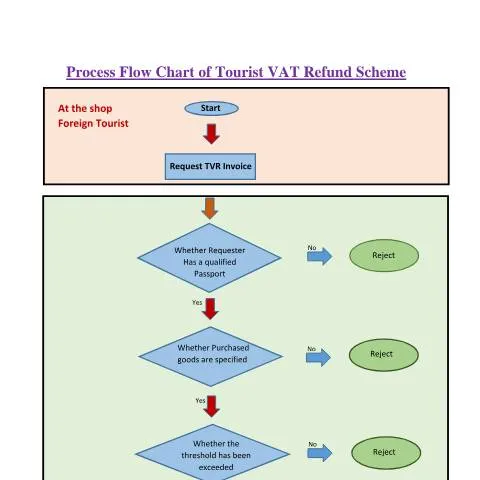
As travelers embark on their journeys to the picturesque landscapes of Sri Lanka, many seek to benefit from the Tourist VAT Refund Scheme (TVRS). This process, outlined in the official Process Flow Chart of Tourist VAT Refund Scheme, provides a comprehensive guide for tourists to reclaim VAT on eligible purchases. However, navigating through the intricacies of this process requires an understanding of various elements, specifically the documentation, requirements, and potential challenges that may arise.
Distinguishing the Tourist VAT Refund Scheme from Other Refund Programs
The TVRS is often confused with other refund mechanisms available for residents and businesses. Unlike local VAT refund applications, which are handled through different channels, the TVRS exclusively caters to foreign tourists. This distinction is crucial, as the eligibility criteria and the scope of the program are tailored to non-residents. Here are some key differences:
- Non-Residents Only: The TVRS is available solely for foreign tourists, ensuring that only visitors can benefit from VAT refunds on qualifying items.
- Specific Goods Criterion: Not all purchases qualify for VAT refunds; the goods must fall within the specified categories outlined in the TVRS guidelines.
- Process Flow Specificity: The TVRS features its specific process flow, as illustrated in the flowchart, which guides tourists through the various steps needed to successfully claim a refund.
Preparing Necessary Documents for the TVRS Application
To stand a chance of receiving a VAT refund under the TVRS, it's paramount to prepare the required documentation accurately. The flowchart outlines the steps, but the documentation plays a critical role at every stage. Here’s a breakdown of the essential documents:
- Qualified Passport: Ensure that your passport is valid and meets the requirement of being a qualified document for the TVRS, generally allowing for entries under 90 days for tourists.
- TVR Invoices: Obtain TVR invoices from merchants while shopping. These invoices must clearly indicate that VAT has been charged and should accompany the original receipts.
- TVR Request Form: This form is critical and must be filled out correctly before submission. Ensure that all details align with the invoices and your passport information.
- Goods for Inspection: Keep all purchased goods ready for inspection at the airport, as customs officers will verify that items correspond with the TVR invoices.
Chronological Overview: Timing and Deadlines in the VAT Refund Process
Understanding the timeline for the TVRS is essential to avoid missing any crucial deadlines. The process typically unfolds as follows:
| Stage | Time Frame | Details |
|---|---|---|
| Invoice Issuance | At the time of purchase | Ensure you request the TVR invoice when making a purchase. |
| Submission of TVR Request Form | At the airport prior to departure | Form must be submitted to customs officers with relevant documents. |
| Refund Processing | Immediate upon approval | Once approved by customs, a voucher will be issued for cash collection. |
Handling Potential Issues: What to Do in Case of Refusal or Missing Documentation
Even with the best preparations, complications may arise, and it’s vital to know how to address them. The flowchart indicates various points of potential rejection, and here’s how to navigate them effectively:
- Missing Goods: If your luggage does not contain all purchased items, be prepared for rejection. Always ensure that the goods match those listed in the invoices.
- Invalid Documents: Double-check that your passport and invoices are valid and correctly filled out. Any discrepancies may lead to the refusal of your application.
- Goods Classification: Understand the classification of your items; if they are deemed restricted or prohibited, your application will be rejected.
- Appeals Process: If rejected, consult with the customs officer for clarification and seek guidance on resubmitting your application correctly.
Understanding Rights and Obligations within the TVRS Framework
Engaging with the TVRS means understanding not only your rights as a tourist but also your obligations. Here’s what is expected:
- Right to Refund: You have the right to claim a VAT refund on eligible purchases, provided you follow the outlined processes.
- Obligation to Comply: Ensure that all provided information is accurate and truthful to avoid penalties and complications.
- Retention of Invoices: Keep all VAT invoices safe until you have successfully processed your refund to avoid disputes.
The Role of Customs Officers in the VAT Refund Process
Customs officers play a pivotal role in the TVRS, serving as gatekeepers for the process. Upon submitting your TVR request form, the customs officer will conduct thorough checks:
- Verification of Goods: Customs will ensure that the goods in your luggage match the invoices. Non-compliance will result in rejection.
- Document Review: They will verify your passport against the TVR request form and check that items meet the VAT exemption threshold.
- Issuance of Vouchers: Upon successful approval, customs officers will issue a voucher that can be redeemed at a designated bank for cash withdrawal.
Practical Tips for a Seamless VAT Refund Experience
To enhance your experience while claiming VAT refunds, consider the following practical tips:
- Organize Documentation Early: Prepare your documents well in advance of your departure date to avoid last-minute issues.
- Understand the Rules: Familiarize yourself with the specific conditions for VAT refunds to ensure compliance.
- Seek Guidance: If unsure, seek assistance from merchants or customs officers at the airport for clarity on the process.
- Check Bank Policies: Upon receiving your voucher, verify the operating policies of participating banks for a smooth cash collection process.
Understanding Eligibility Criteria for the Tourist VAT Refund Scheme
The Tourist VAT Refund Scheme (TVRS) in Sri Lanka is designed to provide a refund of Value Added Tax (VAT) paid by tourists on eligible purchases during their stay. To benefit from this scheme, it is crucial to understand the specific eligibility criteria that must be met. Here are the key points:
- Tourist Status: To qualify for the refund, one must be a non-resident tourist who visits Sri Lanka for leisure purposes. Residents and Sri Lankan citizens are not eligible to apply for this refund.
- Minimum Purchase Amount: There is a threshold amount that one must have spent on eligible goods. The current minimum spend may vary, and it is advisable to check the latest figures published by the Sri Lankan Department of Inland Revenue.
- Registered Retailers: Only goods purchased from retailers registered under the VAT refund scheme are eligible for VAT reclamation. It is essential to keep the receipts and ensure that the retailer is a participant in the TVRS.
- Goods Eligibility: Not all items purchased qualify for VAT refunds. Generally, items such as clothing, electronics, and other goods may qualify, while services and certain consumables, such as food and beverages, do not.
- Timeframe for Application: Tourists must submit their refund claims within a stipulated time period after departure from Sri Lanka. It is advisable to file claims promptly to avoid missing the deadline.
Step-by-Step Process of Filing a VAT Refund Claim
Filing a VAT refund claim in Sri Lanka can seem daunting, but following a structured step-by-step process can simplify the experience. Here is a detailed process flow for tourists to obtain their VAT refunds:
- Collect Receipts: Tourists should ensure they collect VAT invoices from registered retailers at the time of purchase. The receipts must include the retailer's VAT registration number and the total amount paid.
- Check Eligibility: Before filing for a refund, tourists should verify that their purchases meet the eligibility criteria outlined above.
- Complete the Application Form: Tourists must fill out the Application Form provided by the VAT Refund Office. This form is generally available online or at designated VAT refund offices.
- Submit Documentation: Along with the completed application form, tourists must submit the original VAT invoices, a copy of their passport, and their travel itinerary. All documents should be presented in English.
- Claim Submission: Claims can be submitted either electronically through the online portal or physically at the VAT Refund Office at the airport. It is essential to keep a copy of the submission receipt.
- Await Processing: After submission, tourists should allow some time for the processing of their claims. The average processing time may vary; hence, it is important to follow up if the refund is delayed.
- Receive Refund: If approved, the refund will typically be issued in the same currency as the purchases made. The method of payment will be indicated during the application process.
Common Challenges and Solutions When Applying for VAT Refunds
While the Tourist VAT Refund Scheme is designed to benefit visitors, applicants often encounter various challenges. Here are some common issues and practical solutions:
- Issue with Receipts: Tourists sometimes lose or fail to obtain VAT invoices from retailers. It is imperative to always request invoices and safeguard them until the refund process is completed. If a receipt is lost, it is advisable to contact the retailer directly for a duplicate receipt.
- Understanding the Application Form: The application form may initially appear complex. Tourists should seek assistance from the VAT Refund Office staff or utilize online resources for guidance on filling out the form correctly.
- Long Processing Times: Some tourists may experience delays in receiving their refunds. In such cases, following up with the VAT Refund Office is essential to inquire about the status of the claim.
- Currency Exchange Issues: There may be discrepancies in the refund amount due to currency conversion rates. Tourists should be aware of the current exchange rates and discuss any concerns with the VAT Refund Office at the time of filing.
- Different Refund Rates: Refund rates may differ based on the type of goods purchased. Tourists should familiarize themselves with the refund percentages applicable to their purchases to avoid confusion during the claim process.