Navigating Your Path to an Extension: The CNA 5 Form
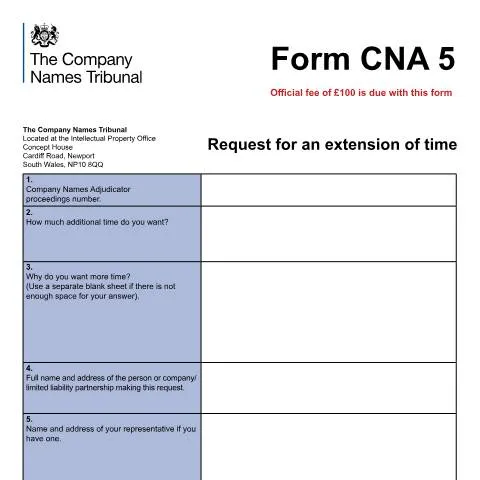
In the often-complex landscape of company name disputes, the CNA 5: Request for an Extension of Time form serves as a crucial tool for parties requiring additional time to address specific issues or gather necessary documentation. This form is pertinent to proceedings handled by the Company Names Tribunal, a body that adjudicates disputes regarding company names under the Companies Act.
Understanding the Role of the CNA 5 in Company Name Disputes
The CNA 5 form initiates the process for requesting extra time to respond to tribunal proceedings, which can include challenges to the registration of a company name. The tribunal exists to ensure that names are not misleading or infringing on existing trademarks or businesses.
By completing the CNA 5, applicants articulate their need for more time, which can be a pivotal factor in the success of their case. Requests for extensions are not granted lightly; thus, providing a clear rationale is essential to enhance the likelihood of a favourable outcome.
Common Scenarios Requiring an Extension
- Gathering Evidence: Sometimes, gathering the necessary evidence or documentation to build a case can be time-consuming.
- Legal Representation: If a party is in the process of securing legal representation, additional time may be needed to appoint a solicitor or legal advisor.
- Travel or Illness: Personal circumstances, such as travel commitments or health issues, might also necessitate additional time to prepare a response.
Who is Eligible to Submit the CNA 5?
The CNA 5 form can be submitted by any party involved in ongoing proceedings before the Company Names Tribunal. This includes:
- Individuals: Single traders or individuals who have registered a company name.
- Limited Companies: Private or public companies facing disputes.
- Limited Liability Partnerships (LLPs): Entities that may be under scrutiny for their company name.
Each profile may have unique circumstances that impact their application for an extension. For instance, an individual may need time to gather personal identification, while a company might seek to compile corporate documents or correspondence with the tribunal.
Special Case: Representatives
If a party has appointed a representative—such as a solicitor or a professional advisor—the form requires that their name and address be provided as well. This ensures clear communication between the tribunal and the representative, streamlining the extension request process.
A Step-by-Step Journey: From Submission to Decision
Understanding the timeline of submitting a CNA 5 form is vital for success. Here’s a chronological breakdown of the process:
- Identify Needs: Recognize the need for further time and prepare your arguments.
- Complete the Form: Fill out the CNA 5 carefully, ensuring all details are accurate and justifications are clearly stated.
- Payment of Fees: A fee of £100 is required upon submission, which can be paid online, via cheque, or bank transfer.
- Submission: Submit the completed form along with payment to the Company Names Tribunal.
- Acknowledgment: Await confirmation from the tribunal regarding the acceptance of the request.
- Await Decision: The tribunal will review the request and issue a decision, which may take several weeks depending on the case load.
Each stage of this process is critical; missing or incorrectly filling out any part of the CNA 5 can lead to delays or denials.
Essential Components of the CNA 5: A Detailed Look
When filling out the CNA 5 form, specific sections must be completed thoroughly:
- Proceedings Number: This is the unique identifier for your case and must be included to ensure the request is logged against the correct tribunal process.
- Requested Extension Duration: Clearly state how much additional time you require. Be realistic, as unreasonable requests may be denied.
- Reason for Extension: Providing a compelling argument for why you need more time is essential. Use a separate sheet if necessary.
- Contact Information: Include your full name, address, and the name and contact details of any representative.
- Signature: Your signature is mandatory, along with your name in block capitals, ensuring that the submission is legitimate.
Documenting these details accurately is crucial to avoid complications or misunderstandings during the review process.
Payment Process for the CNA 5
Payment is an integral part of the submission process. The £100 fee must be paid in full to process the CNA 5. Various payment methods are accepted:
| Payment Method | Details |
|---|---|
| Online Payment | Via the secure website. You will need to enter your name, email, and payment amount. |
| Cheque | Make payable to 'Intellectual Property Office' and send to the tribunal’s address. |
| Bank Transfer | Use the specified bank details; ensure to include a reference for tracking. |
It’s important to note that the tribunal will only process the form once the payment has been confirmed, so it’s wise to retain a receipt or confirmation number for your records.
Post-Submission: What to Expect After the CNA 5 is Filed
Once the CNA 5 form is submitted along with the requisite fee, applicants can expect several outcomes. The tribunal will review the request and may either grant or deny the extension based on the provided justification and the circumstances of the case.
Typically, the tribunal will send a notification regarding the decision. If granted, the notification will specify the new deadline for responses or documentation. If denied, it’s imperative to continue with the original schedule to avoid defaulting on the tribunal's requirements.
Handling Denials or Further Complications
In cases where the CNA 5 request is denied, parties should:
- Review the tribunal's reasoning for denial to understand any deficiencies in the request.
- Proceed with their case as originally scheduled, ensuring compliance with all deadlines.
- Consider whether there are grounds for an appeal or if further documentation can be submitted for reconsideration.
It’s also advisable to seek legal advice if complications arise, especially if the denial significantly impacts the ability to contest the company name effectively.
Document Preparation: What to Have on Hand
Preparation is key when seeking an extension. Potential supporting documents may include:
- Evidence of Circumstances: Documentation that supports the reason for the extension, such as medical records or correspondence regarding legal representation.
- Previous Tribunal Correspondence: Any previous letters or communication from the tribunal that might aid in your argument for more time.
- Identification: Personal identification may be required, particularly for individual applicants.
By compiling these documents ahead of time, applicants can streamline the submission process and strengthen their case.
The Bigger Picture: The Role of the Company Names Tribunal
The Company Names Tribunal operates under the auspices of the Intellectual Property Office and plays a vital role in maintaining the integrity of company names across the UK. It addresses disputes and ensures that names do not mislead consumers or infringe upon existing brands.
Understanding the regulatory framework surrounding company names is essential to navigate these waters effectively. The legal foundations of the tribunal include various sections of the Companies Act, which outline permissible names, alongside the rights of businesses to contest potentially harmful registrations.
The CNA 5 form is just a piece of this broader regulatory puzzle, designed to ensure that all parties have a fair opportunity to present their cases and that the tribunal can operate efficiently.
Conclusion: Empowering Your Submission Process
The completion and submission of the CNA 5 Request for an Extension of Time is an important part of engaging effectively with the Company Names Tribunal. Understanding the procedural nuances, preparing the required documentation, and articulating your needs clearly can significantly influence the outcome of your request.
In an environment where timing can be crucial, taking the right steps in completing the CNA 5 can extend your opportunities for a successful resolution in company name disputes.
Understanding the Grounds for Requesting an Extension of Time
When considering a request for an extension of time in the context of UK administrative processes—particularly regarding tax submissions or other formal requirements—it's crucial to understand the permissible grounds for such a request.
The most commonly accepted reasons include:
Personal Circumstances: Unforeseen personal issues, such as health problems or family emergencies, can provide sufficient grounds for an extension. If you find yourself in a situation that directly impacts your ability to meet deadlines, ensure you document this clearly when making your request.
Technical Difficulties: A common scenario includes facing unexpected technical issues that hinder the completion of your submission. This could involve problems with software, internet connectivity, or hardware failures. It's advisable to provide evidence of these issues, such as error messages or correspondence with relevant technical support.
Professional Assistance Delays: If you rely on an accountant or advisor, delays in receiving information or guidance from them can warrant an extension. In such cases, it is important to document your communications with them, explaining the delays and how they impacted your ability to submit on time.
To enhance the chances of a successful request, you should prepare a well-structured letter or form, clearly stating your grounds for requesting the extension and attaching any relevant supporting documents.
How to Submit Your Request for an Extension: Step-by-Step Guide
Submitting a request for an extension of time involves several critical steps that must be carefully followed to ensure that your request is processed efficiently. Here’s a structured approach:
Gather Necessary Documentation: Before you start filling out the request form, ensure that you have all necessary documentation. This may include medical certificates, correspondence with professionals, or any other evidence supporting your case.
Fill in your form directly online
No printing: type your details into the boxes of the official form, tick, then download the PDF ready to send.
- 1Type into the form boxes
- 2Tick in one click
- 3Save and download the PDF
Identify the Correct Form: Depending on the nature of your request, you may need to use a specific form. For tax-related requests, ensure you are using the appropriate forms as stipulated by HMRC. If you are dealing with other authorities, verify that you have the correct documentation.
Complete the Form Accurately: Fill out the form, ensuring all fields are completed accurately. Writing in clear, straightforward English will help the processing team understand your request quickly. Be concise but thorough in your explanation of why an extension is necessary.
Include Supporting Evidence: Attach any supporting documents that can substantiate your request. This may include proof of your circumstances, such as a doctor’s note for health issues or emails showing communication delays with your accountant.
Submit within the Required Timeframe: It is essential to submit your request either before the due date or as soon as you realize you will not meet the original deadline. Late submissions may not be considered, so timing is critical.
Keep a Record of Your Submission: After submitting your request, keep a copy of everything you sent, along with any confirmation you receive from the authority. This will be vital if you need to follow up on your request.
Follow Up if Necessary: If you do not receive a response within a reasonable time frame, do not hesitate to contact the relevant authority to check the status of your request. Be courteous, and provide any reference numbers associated with your submission.
By following these steps, you position yourself for a smoother process in requesting an extension and increase the likelihood of a favourable outcome.
Common Mistakes to Avoid When Requesting an Extension
When navigating the complexities of requesting an extension of time, there are several common pitfalls that individuals often encounter. Avoiding these mistakes can not only save you time but also enhance your chances of a positive response from the authorities.
Vague Justifications: One of the most frequent errors is providing vague or insufficient reasons for requesting an extension. It is essential to be specific about your circumstances and how they impact your ability to meet the deadline. Authorities require clear justifications to grant extensions.
Failing to Provide Evidence: Submitting your request without adequate supporting documentation is a mistake that can lead to rejection. Always remember to attach relevant evidence that corroborates your reasons for requesting additional time.
Neglecting to Check Submission Guidelines: Each authority has specific guidelines regarding submission procedures, including where and how to send your request. Neglecting to follow these guidelines can result in delays or outright rejection. Always familiarize yourself with these requirements to avoid unnecessary complications.
Ignoring Deadlines: If you realize you will not meet a deadline, it’s critical to act quickly. Some authorities may not accept requests for extensions if they are sent too close to the original due date. Knowing the timelines for submissions can help you navigate this more effectively.
Poor Communication: Your communication style matters. Using overly complex language or jargon can confuse the processing team. Always aim for clarity and simplicity in your writing, ensuring that your request is easily understood.
By paying attention to these common mistakes and taking steps to avoid them, you can improve your chances of successfully obtaining an extension of time when needed.